





Introduction
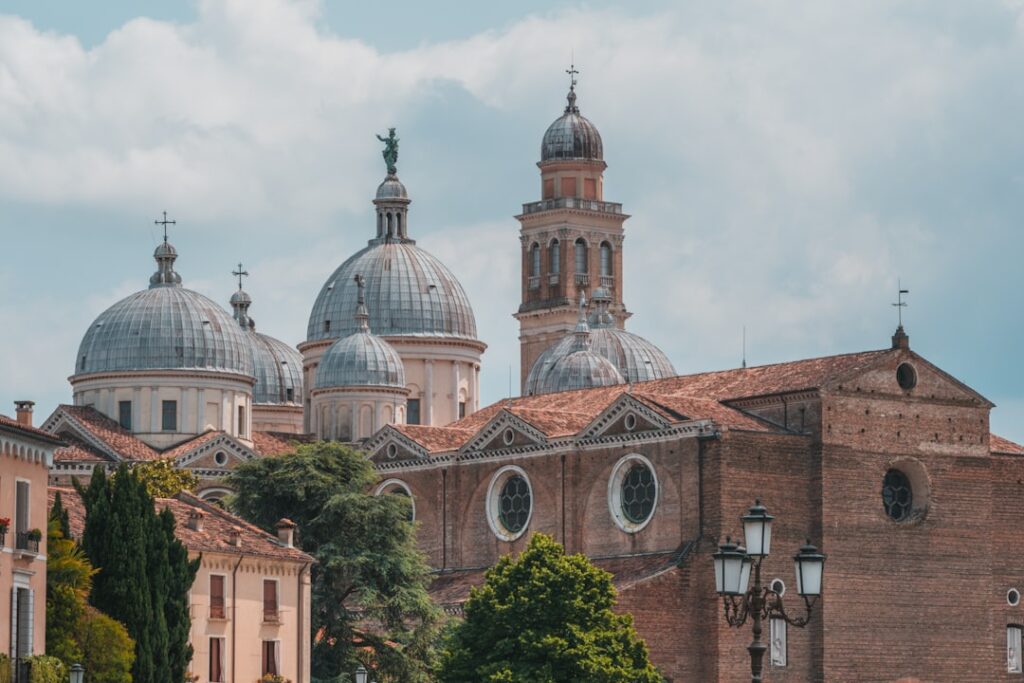
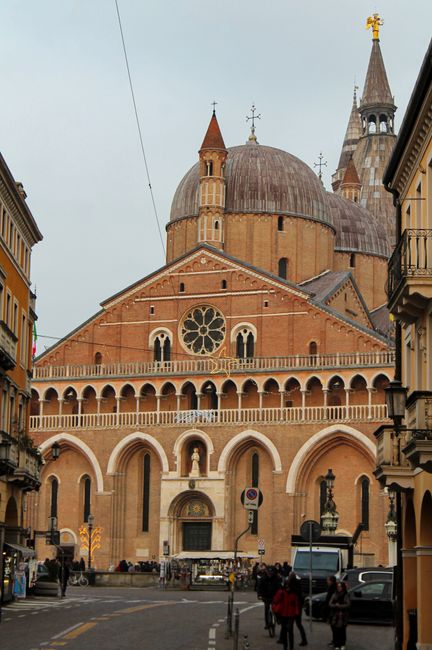
The Basilica of Saint Anthony in Padua (Basilica di Sant’Antonio di Padova), often called « Il Santo » by locals, is one of Italy’s best-known pilgrimage sites. Located in the heart of Padua at Piazza del Santo, 11, 35123 Padova PD, Italy, it draws worshippers, art lovers and curious visitors from around the world. The basilica’s complex, multi-century history is written into its stones, its chapels rich with frescoes and sculptures, its crypt and reliquaries, and the larger ensemble that includes museums, cloisters and devotional spaces. This eight-step guide offers a detailed, contextual journey through that history, plus practical info for today’s visitor: opening times, ticket prices, immersive descriptions and local tips to get the most out of Il Santo.
Before we dive into the timeline, a few essential practical details. The main entrance to the Basilica of Saint Anthony (Piazza del Santo, 11) is generally free to enter for access to the church itself. The adjoining museum complex, often referred to as the Museo Antoniano or Musei Antoniani, displays exhibitions and liturgical objects; official prices average €7 for adults and €5 reduced, with variations depending on temporary exhibitions. Typical opening hours for the basilica run from early morning into the evening: usually 6:00 to 19:30, while the museums generally open from 9:00 to 18:00 (check the notice boards on site or the official website before planning your visit). Religious services, masses and relic veneration times shape the life of the site: the main Sunday mass often takes place at 10:30 a.m., with other celebrations throughout the week.
The basilica displays a unique architectural mix: a late Romanesque–Gothic façade, countless Baroque chapels and a decorative richness that reflects different eras, from the 12th–13th centuries through major 19th- and 20th-century restorations. In this eight-step guide we’ll trace the evolution from Saint Anthony’s death to the basilica you visit today. Each of the eight sections is designed to be both historical and practical: you’ll find key dates, descriptions of major works, the exact spots to see (with addresses where applicable), ticket information, specific opening times for particular chapels and local tips for a respectful, rewarding visit to Il Santo.
1. Saint Anthony’s death and the founding of the shrine (1231–1232)
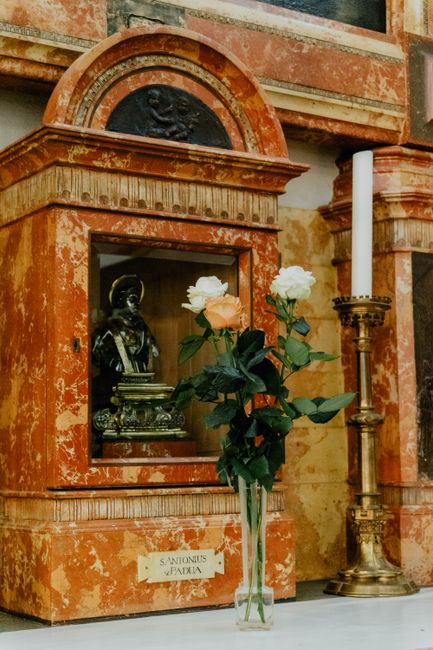
The story begins with the death of Anthony of Padua on June 13, 1231. His tomb quickly became a magnet for pilgrims and devotees. The decision to build a larger church to house the saint’s remains marks the starting point of the shrine. Anthony’s body was buried in Padua and the Franciscan community, eager to honor the preaching brother’s memory, launched work on an edifice that could accommodate the growing flow of faithful. It was during this period that a small oratory was transformed into a major religious complex.
The material reality was striking: it wasn’t just a burial site but a spiritual and social hub. Donations from Padua’s patrician families funded chapels, altars and works of art. The first structures built around the tomb focused on the crypt and the main chapel—spaces reserved for prayer and veneration. For modern visitors, the crypt (accessible from the nave) remains a profoundly moving space: a place where the weight of medieval acts of remembrance is palpable. Visiting the crypt is free while the basilica is open, but it’s advisable to arrive early to avoid the crowds, especially around June 13, the saint’s feast day.
Local tip: if you want to experience the original spiritual atmosphere, attend an early morning mass in Italian or a midday service. Service times are posted on the information board at the basilica entrance, and the tomb chapel is often available for quiet prayer outside peak hours.
2. Building the present basilica and the Romanesque–Gothic style (1232–1300)
The next phase covers the actual construction of the basilica we know today. From the mid-13th century to the end of that century, a large church in a transitional Romanesque-to-Gothic style was erected to replace the original oratory. The architecture blends massive arcades, lofty vaults and a façade that still shows Romanesque elements, while the interior moves toward a more Gothic feel with its arrangement of side chapels.
Materials and techniques reflect local craftsmanship: regional stone, imported marbles and elaborate roof structures designed to support large vaults. Construction took decades and was often interrupted by funding shortages or political priorities. The result is a composite style that gives Il Santo its unique architectural identity. Visitors will notice stylistic variations from one chapel to another: some retain a medieval austerity, others display later woodwork and altarpieces.
At this time the basilica also asserted its religious and social role: it became the setting for large processions, sermons and public events. Franciscan archives, some preserved in the adjacent museums, document the financial decisions and patrons behind the chapels. Today, a careful walk along the side chapels lets you read the history of the donor families and the artists who decorated these spaces from the Middle Ages through the Renaissance.
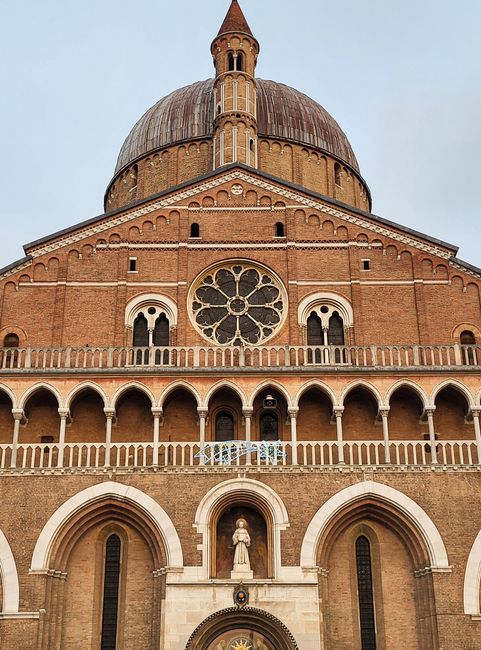
3. Early artistic treasures and the chapels (14th–15th centuries)
In the 14th and 15th centuries the basilica was enriched with private chapels and major works of art. Patrician families funded chapels decorated with frescoes, paintings and sculptures, turning the basilica into a living museum. Notable elements include altarpieces, panel paintings and frescoes attributed to local schools. The multiplication of chapels transformed the liturgical space into a patchwork of atmospheres and styles—each chapel offering its own micro-history.
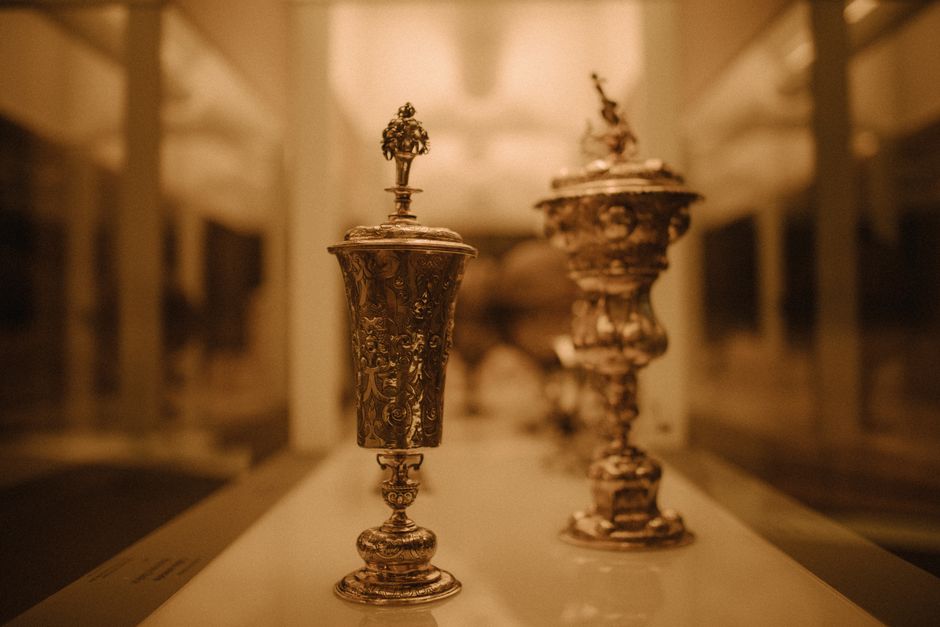
The interior staging aimed to move and instruct: art and hagiographic storytelling combined to illustrate the miracles and life of Saint Anthony. Attentive visitors will spot iconographic cycles devoted to the saint’s miracles, scenes of charity and depictions of local saints. These works are not static: many have been restored or rearranged over subsequent interventions. The museums of the complex preserve liturgical objects, priestly vestments and precious reliquaries from these chapels.
Practical: if you want to delve into the art of the chapels, buy the combined ticket for the Musei Antoniani (indicative price €7 adult, €5 reduced). Printed guides sold in the onsite shop (often open from 9:00 to 17:30) provide detailed notes on each chapel and its patron. For a more intimate look, visit outside service times to avoid crowds and better appreciate the frescoes.
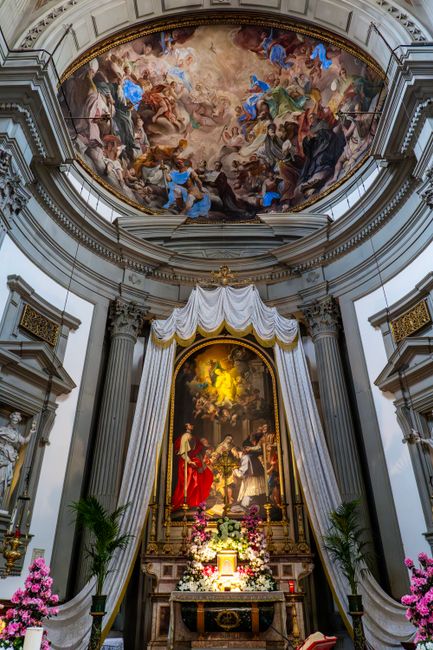
4. Renaissance and Baroque enhancements (16th–17th centuries)
The Renaissance and Baroque periods brought major decorative interventions. Altars were reworked, new statues and altarpieces were commissioned, and the basilica gained sumptuous ornamental features. Local and regional artists contributed a refreshed iconography characterized by drama and heightened realism. Gilded wooden altarpieces, polychrome marbles and Baroque gilt transformed some chapels into true visual showcases.
Major works of this era also aimed to modernize liturgy and improve the accommodation of pilgrims. Spaces for relic veneration and better circulation during processions were created. The basilica thus became a focal point for artistic and religious expression, responding to the demands of the Catholic Counter-Reformation. Baroque sculptures and altarpieces, often highly expressive, sought to move the visitor through motion and theatricality.
Practical tip: to observe Baroque details (gilding, stucco, marbles), approach the side altars respectfully, keeping in mind local devotions. Photography inside is generally allowed without flash, but always check the notices on site. Thematic guided tours, sometimes offered by the basilica or private guides, help explain the liturgical meanings of the decorations and identify the workshops behind these embellishments.
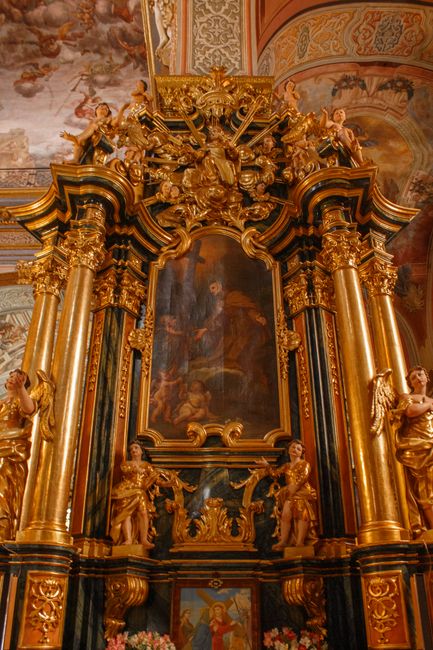
5. Relics, popular devotion and pilgrimages (17th–19th centuries)
Veneration of Saint Anthony’s relics shaped Padua’s religious life and attracted pilgrims from across Italy and Europe. In the 17th and 18th centuries the basilica consolidated its devotional rites: processions, indulgences and public prayers. These practices reinforced the shrine’s reputation for miracles. Reliquary objects became material treasures, often set with gold and precious stones and kept in secure chapels. Pilgrims left ex-votos—plaques, paintings and symbolic items—that tell stories of healings and protections obtained through Anthony’s intercession.
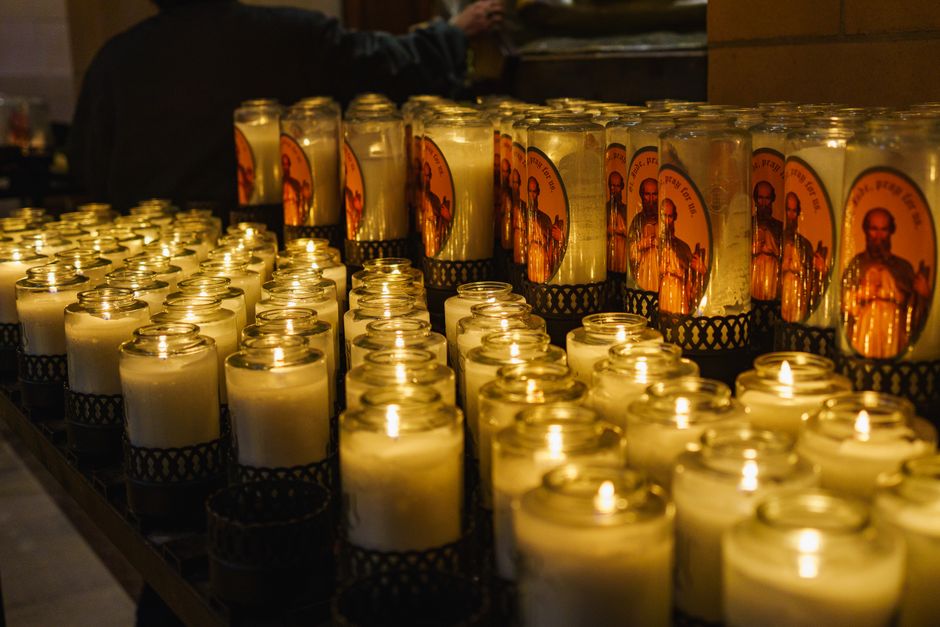
Socially, the flow of pilgrims fueled a local economy: inns, artisans, candle sellers and religious bookshops thrived around the basilica. That dynamic continues today and the streets around Piazza del Santo remain full of shops selling religious items, books and souvenirs. The square itself can host occasional markets and liturgical events, amplifying the visitor’s sensory experience: chants, incense, streams of worshippers and reverent congestion.
For contemporary visitors, taking part in a service or watching a procession is a powerful way to grasp the site’s importance. Major liturgical celebrations (Christmas, Easter and the June 13 feast) draw huge crowds: arrive well in advance if you want a seat. Another practical note: the basilica often schedules specific times for relic veneration, posted at the entrance.
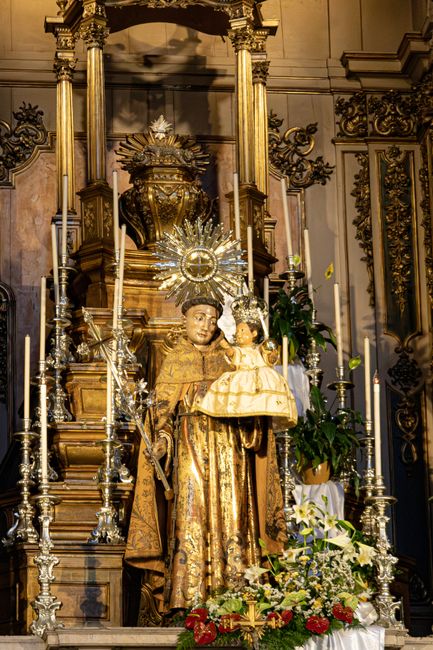
6. Restorations, wars and conservation (19th–20th centuries)
The 19th and 20th centuries saw major restoration campaigns driven by the need to repair aging fabric, urban pressures and, at times, wartime damage. During conflicts—most notably World War II—the building faced risks but also received focused care to protect artworks and structures. Large restoration efforts on façades, roofs and interior decorations helped stabilize the basilica and restore the legibility of frescoes and sculptures.
Conservation methods advanced: restorations moved from purely decorative fixes to scientific interventions incorporating material analysis, pigment consolidation and anti-humidity treatments. Recent restorations have often been accompanied by publications and temporary exhibitions in the Antonian museums (indicative price €7), allowing the public to follow discoveries. Some decorations hidden for centuries have been revealed, changing the historical understanding of the basilica.
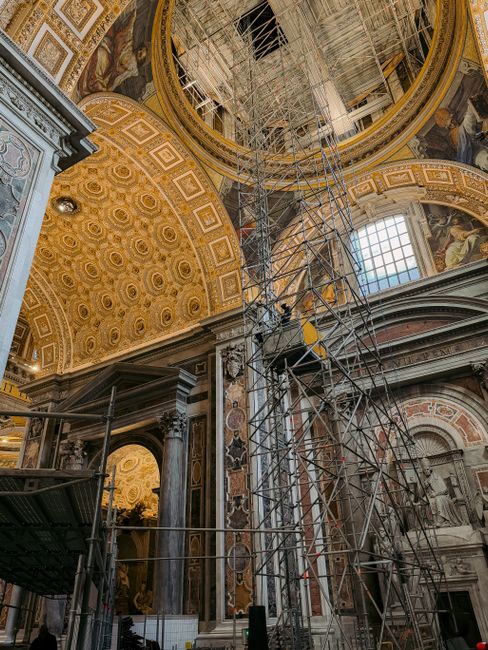
Visiting Il Santo today means encountering traces of these interventions: discreet scaffolding, explanatory panels and display cases showing restored fragments and objects. Heritage managers ask visitors to respect areas under restoration for safety and conservation reasons. For art-history enthusiasts, special guided tours focused on restoration are periodically offered by local institutions.
7. The contemporary role: worship, tourism and museums (20th–21st centuries)
In the 21st century, the Basilica of Saint Anthony balances spiritual tradition with a tourist mission. The site remains first and foremost an active sanctuary: daily masses, confessions and pilgrim welcoming shape its rhythm. At the same time, ecclesiastical authorities and cultural services have developed visitor facilities: museums, shops, guided routes and multilingual information (Italian, English, French). This dual identity requires careful management to reconcile worship needs with public access to the artworks.
The museum complex (Musei Antoniani), usually adjacent to the basilica, displays liturgical objects, historical collections and temporary exhibitions. The address often given at reception is Museo Antoniano, Piazza del Santo / Via del Santo, Padova. Typical hours: 9:00–18:00, prices: €7 adult, €5 reduced (subject to change depending on the exhibition). For visitors short on time, a combined « basilica + museums » ticket is a practical option. Pilgrims can access particular services: requests for memorial masses, blessings and guidelines for relic veneration are also available.
Local tip: visit on a weekday early morning or late afternoon to avoid peak tourist crowds. Audio guides (when offered) provide a solid option for a self-guided but informative visit. For a deeper experience, book a themed guided tour—the cost varies (typically €6–12 per person depending on the guide)—but these often grant access to spaces less frequented by the general public.
8. Future outlooks and enhancement innovations (2020s–beyond)
The final step looks at enhancement projects and innovations for the future. The basilica’s heritage managers and municipal authorities are developing strategies to combine conservation, accessibility and sustainability. This includes programs to digitize archives, create virtual visits and deploy mobile apps that guide visitors through the site’s history with multimedia content. Digitization also makes historic documents held in the Antonian archives and museums more accessible.
On the practical side, maintenance projects focus on improving climate control and humidity monitoring—crucial for preserving paintings and ancient textiles. Cultural initiatives include lecture series, sacred-music concerts and temporary exhibitions that reinterpret Saint Anthony’s figure in a contemporary light. Finally, dialogue between the basilica and Padua’s urban fabric aims to better integrate Il Santo into sustainable city itineraries by promoting pedestrian routes, informative signage and partnerships with other major sites (such as the Scrovegni Chapel, which requires a separate ticket).
Practical tip: check the Basilica di Sant’Antonio official website or the reception office on Piazza del Santo for current projects and temporary events. Digital initiatives can transform your visit if you plan ahead—download recommended brochures or apps to enjoy a richer experience.
Conclusion
The Basilica of Saint Anthony in Padua is far more than a single religious building: it’s a palimpsest of stories, art and devotion spanning eight centuries. From the saint’s death in 1231 to the composite basilica you visit today, each phase—initial construction, artistic enrichment, relic cult, restorations and contemporary innovations—reveals a different facet of the relationship between faith and society. Understanding these stages helps visitors appreciate not only the beauty of the frescoes and altars but also the depth of religious practices and the complexity of conservation choices.
Practically speaking, the basilica remains accessible (entry to the church is generally free) at Piazza del Santo, 11, 35123 Padova PD, Italy, with annexed museums usually open from 9:00 to 18:00 and indicative prices of €7 (adult) and €5 (reduced). Basilica opening times vary but generally allow access from early morning until dusk (about 6:00–19:30). To make the most of your visit: arrive early, favor weekdays, buy a combined museum ticket if you want to dive deeper into the art and history, and respect worship times and areas reserved for pilgrims.
One last local tip: take time to wander the streets around Piazza del Santo—the historic alleys, small religious bookshops and local cafés offer quiet moments and different perspectives on Il Santo. Whether you come as a pilgrim, an art lover or a curious traveler, the basilica tells the story of Padua itself—its faith, its art and its ability to renew its heritage for future generations.