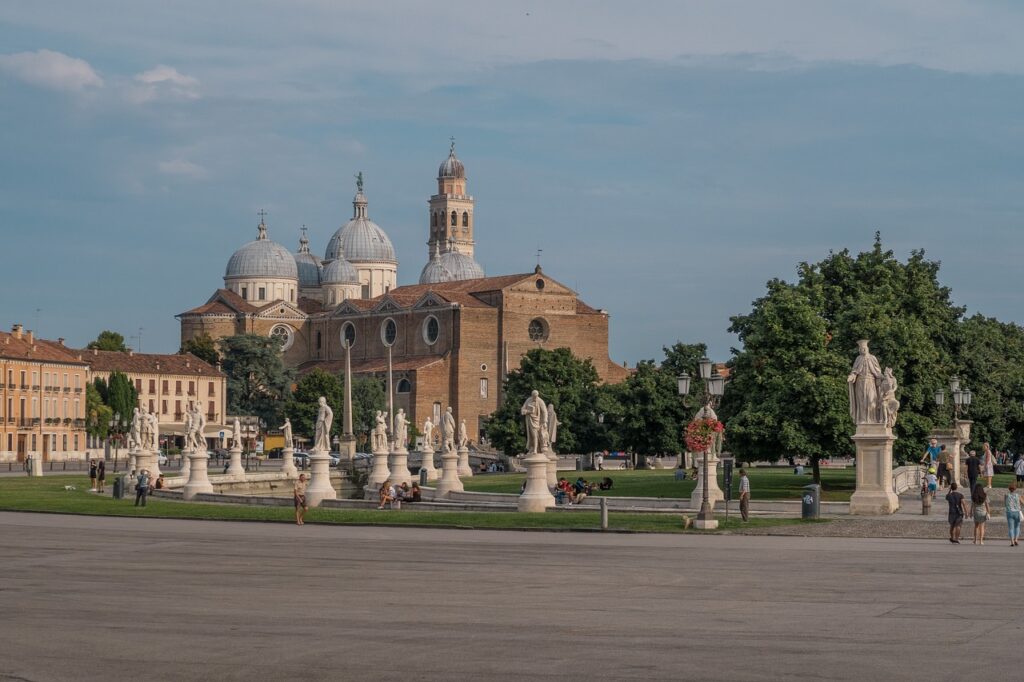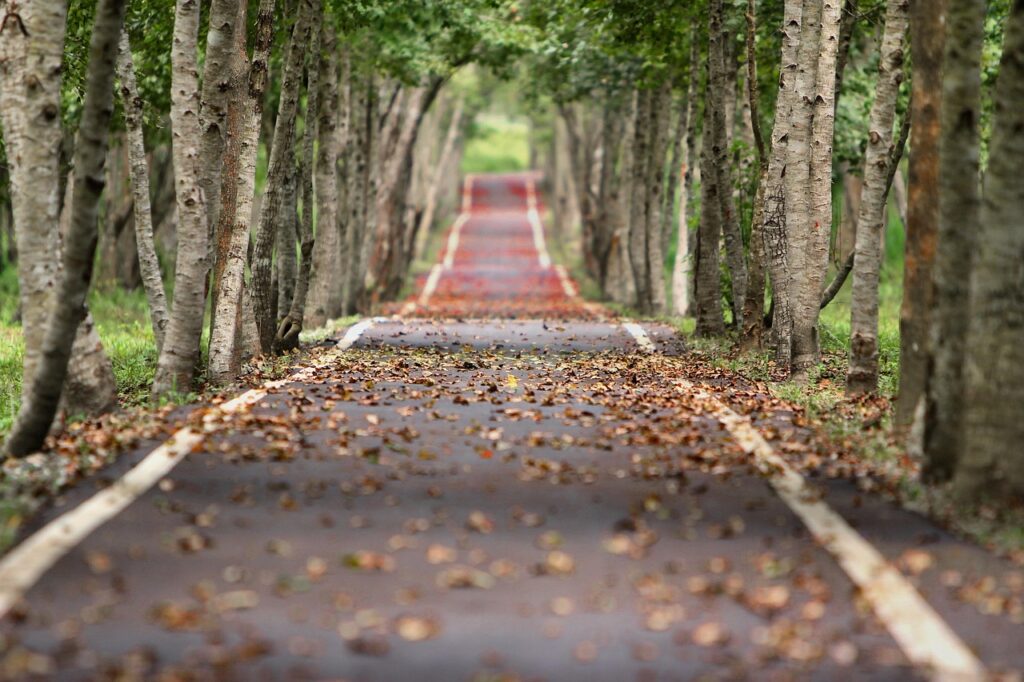






Introduction — Pedal Between Parks: a green urban bike route in Padua
Padua (Padova in Italian) blends dense historic neighborhoods, elegant canals and surprisingly generous green spaces. On two wheels, the city reveals a different side of Europe: broad, tree-lined squares, peaceful towpaths along canals and historic gardens with UNESCO pedigree. This detailed guide offers a route tailored to urban cyclists — whether you’re a visitor passing through, a local rediscovering your city, or a cycle-tourist looking for a nature break between cultural stops.
You’ll find immersive descriptions of the main parks and gardens reachable by bike from the centre, with precise addresses, typical opening hours, indicative prices, practical tips on the best times to pedal and logistics pointers (bike rental, secure parking, access restrictions). The route links highlights like the spectacular Prato della Valle, the exceptional Orto Botanico di Padova (Padua Botanical Garden), neighborhood green pockets perfect for relaxing and stretches along the historic city walls. Each stop includes details on surface type, water points, cafés for a break and areas to avoid during peak hours.
Padua is also a lively university city; cycling is not just a leisure activity but an efficient way to get around that’s often faster than driving. Along this route you’ll learn to read local signs, take advantage of protected bike lanes and spot monitored or covered bike parking. Exact addresses and indicative prices are included to help plan your trip: Orto Botanico di Padova entrance, the coordinates for Piazza Prato della Valle, and locations of a few rental points. Note that some details (hours or prices) can change seasonally; I recommend checking official sites before you set out.
Finally, this guide offers local tips to improve your experience: ideal times (morning for the light, late afternoon for less traffic), recommended gear (lights, a sturdy lock, a hi-vis vest) and quick food tips (where to grab a panino or a terrace coffee near the parks). Ready to hop on your bike and breathe the fresh air of Padua’s green spaces? Follow the route step by step to discover a greener, more accessible Padua.
Prato della Valle: starting point and Padua’s green heart
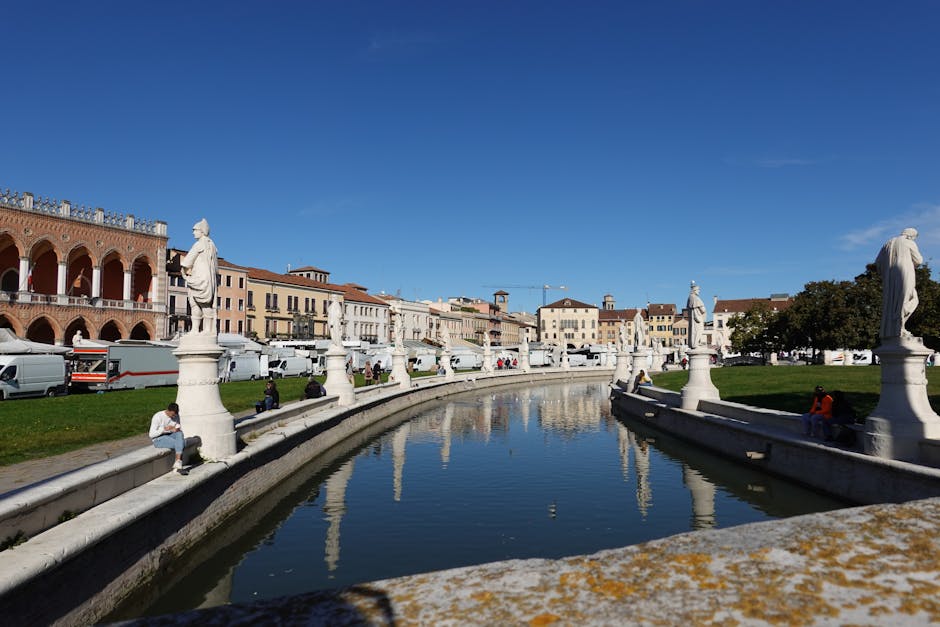
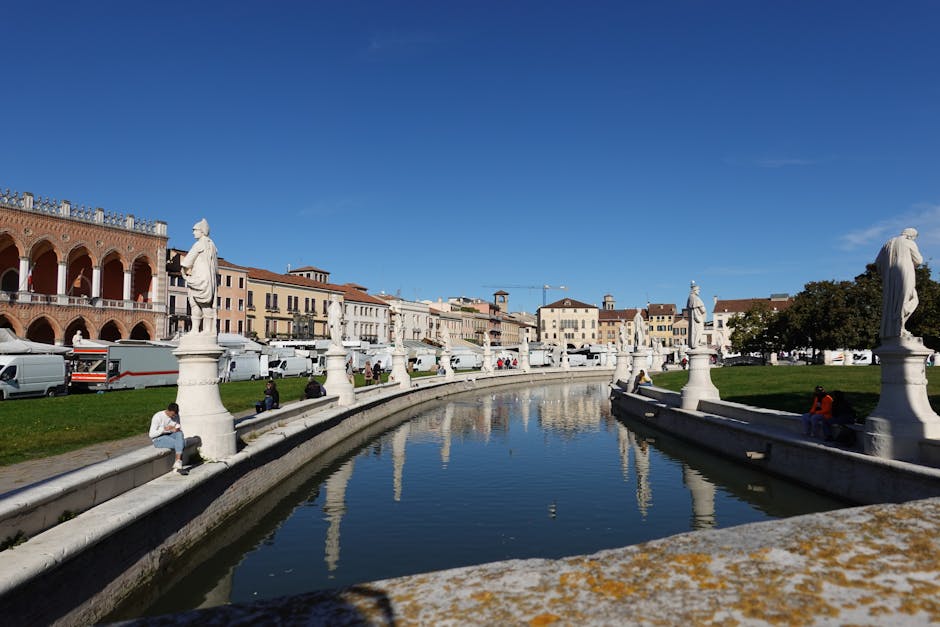
Prato della Valle is often the first stop on a city bike circuit: it’s the largest square in Italy and a lively green space, perfect for warming up your legs before heading out on cycle paths. Exact address: Piazza Prato della Valle, 35122 Padova PD, Italy. The site is accessible 24 hours a day and entry is free. The large central island (Isola Memmia) is surrounded by a canal lined with statues that tell the city’s story.
Immersive description: on your bike you arrive via one of the shaded peripheral paths; the breeze slips through the poplars and you can hear water lapping under the bridges. Paved cycle lanes circle the whole square and are wide enough to share with joggers and families. Weekday mornings are quiet and ideal for photography; in the evening at sunset the reflections on the canal create soft, warm light.
Practical tips: lock up at the bike racks next to the central fountains if you want to stop for photos. There’s no admission fee but watch out for pedestrian-only areas and respect traffic rules. Nearby, for a coffee break, try Café Pedrocchi (Piazza Cavour, 1, 35122 Padova PD) — note the café has its own opening hours and prices (drinks from around €2.50). For safety, avoid leaving an unlocked bike overnight, even in the city centre.
Orto Botanico di Padova: UNESCO heritage and a botanical escape
The Orto Botanico di Padova is a must-visit for anyone who wants to combine culture and nature. Address: Orto Botanico di Padova, Via Orto Botanico, 15, 35121 Padova PD, Italy. Typical opening hours: usually open Tuesday to Sunday from 9:30 to 18:00 (summer hours); closed on Mondays. Indicative admission: around €6.00 for adults (reduced rates for students and seniors and free entry possible for some categories — check the latest prices on the official website). This living botanical orchestra is UNESCO-listed for its age and collection.
Immersive description: arriving by bike you’ll pass through quiet lanes and go through the historic gate. The surface is mostly paved and bike stands are available outside the garden (ask at reception about leaving bikes). Inside, the atmosphere shifts: shaded paths, historic greenhouses, ponds and multilingual information panels. The garden features themed areas — medicinal plants, exotic slopes and a historic medicinal plant collection — and is perfect for slowing down after a busier urban leg of your ride.
Local tips: buy tickets in advance online to skip the queue, especially in high season. Prefer a morning visit for cooler temperatures and active birdlife; bring a refillable bottle — there are fountains to top up. The ground between the street and the entrance is usually rideable but watch for cobbles near the gates. For a light lunch many bars and restaurants are within a 10-minute bike ride (for example: Osteria ai Tribunali, via San Gregorio Barbarigo 3, sandwiches and dishes from about €6–8).
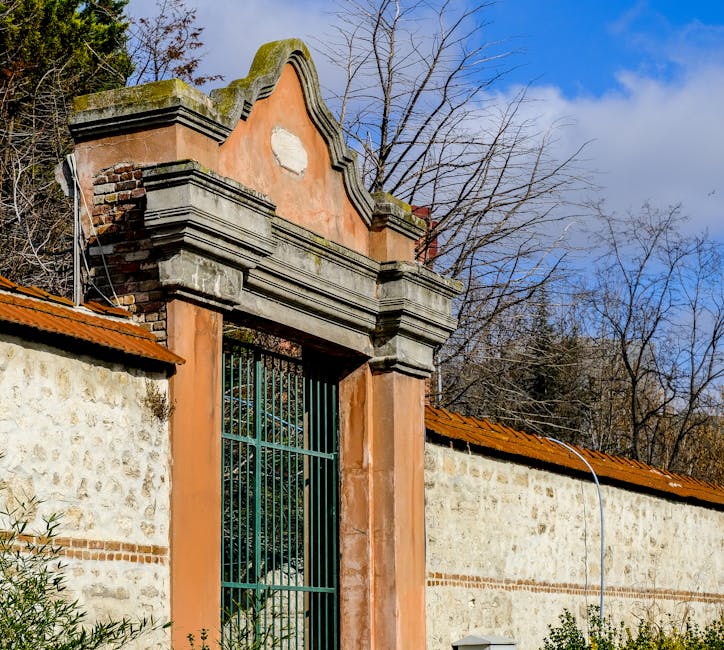
Ride along the walls and neighborhood gardens: a relaxed stretch
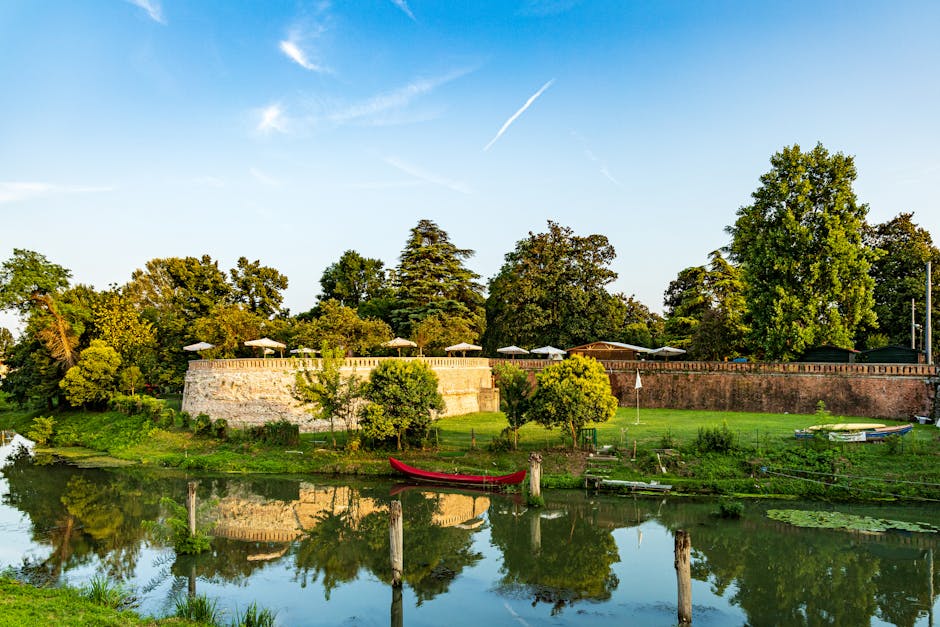
After the Orto Botanico, head to the green strips that run along the medieval walls and the small neighborhood gardens. A recommended line is to follow Corso Garibaldi and turn toward the Zona Mura, where trees, lawns and shaded cycle paths flank the ramparts. Indicative address for the area: Wall lanes/promenade, Corso Giuseppe Garibaldi, 35131 Padova PD (continuous sector along the walls). These planted avenues often have benches, playgrounds and calm spots that are great for a picnic.
Immersive description: surfaces alternate between asphalted cycle paths and strips of old brick. This stretch is ideal in the afternoon when sunlight filters through the branches and locals relax on public benches. You’ll find information panels about the history of the walls and towers and small gates leading to hidden gardens — perfect for a reading break. Be cautious at crossings and busy pedestrian crossings during school pick-up times.
Practical tips: ride carefully around schools (morning and late-afternoon hours), use a bell to announce your arrival and respect pedestrian zones. If you plan a longer stop, locate secure bike parking or ask a bar if you can lock your bike under its supervision. To extend the leg, consider a detour to Piazzale Boschetti or the Giardini dell’Arena (southwest area) to vary the scenery.
Optional excursion: riding out to the Colli Euganei (short trip beyond the centre)
For cyclists who want to extend their nature ride, an accessible option from Padua is a trip to the Colli Euganei Regional Park, the verdant volcanic hills about thirty kilometres southwest. Recommended starting point by bike or e-bike: Padova station (Stazione di Padova, Piazzale Stazione, 35122 Padova PD) where you can arrange combined transport or rent an electric bike to make climbs easier. The regional park has no single address, but a main information point is often located in Abano Terme (Via Municipio, 1, 35031 Abano Terme PD).
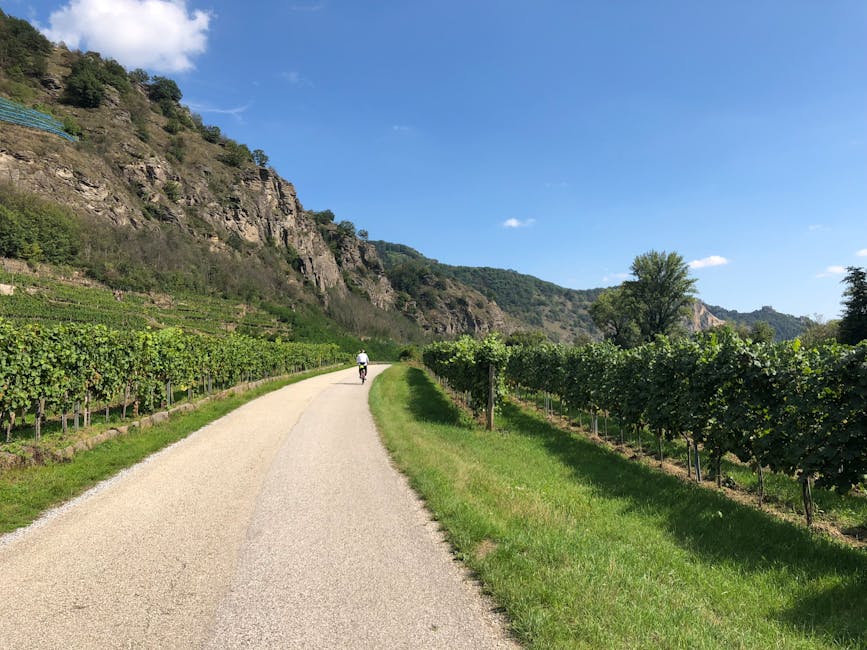
Immersive description: the bike route sometimes follows quiet secondary roads, passes vineyards and small hamlets and offers panoramic hill views. Villages such as Villa dei Vescovi, Arquà Petrarca and Montegrotto Terme are typical stops — recommended for a coffee (local espresso €1.20–2.50) and to sample local produce. Climbs can be challenging on a regular bike; opt for an e-bike if you’re not fit for sustained uphill stretches.
Practical tips: check the weather, carry a spare inner tube and basic tools. The parks are generally open to the public but some private properties or trails may be restricted. For a half-day outing bring water, snacks and sun protection; for a full day reserve a table at a local osteria (menus from €12–20). Alternative transport: regional trains that allow bikes (check Trenitalia rules on bike carriage).
Conclusion — final tips and practical preparation
Padua is ideal for exploring by bike: its parks and gardens form a network of calm spaces within a lively city. This guide has suggested a route focused on Prato della Valle, the Orto Botanico di Padova, promenades along the walls and an extension option to the Colli Euganei. To make the most of your outing, plan your timing (morning for coolness, late afternoon for colour), check opening hours and prices (notably for the Orto Botanico: around €6.00 and typically open from 9:30 to 18:00) and choose an appropriate bike (city bike or e-bike depending on elevation).
A few final practical tips: always lock your bike with a U-lock for extended stops, wear a helmet and reflective clothing if riding at dusk, and keep a small repair kit on hand. If you don’t have a bike, ask local rental shops or the tourist office (Ufficio Turistico di Padova, Piazza Duomo, 35122 Padova PD, usually open 9:00–18:00) about rental options and maps of cycle paths. Finally, respect locals and local rules: slow down in pedestrian areas and use official bike parking.
With a little preparation and a good map you’ll find Padua to be a city where nature and culture meet at every corner — and with every pedal stroke. Have a great bike trip between Padua’s parks: may your route bring calm, discovery and beautiful views.