





Introduction — Contemporary sacred art in Old Padua: a spiritual and aesthetic journey
Padua (Padova), a university city with a rich medieval and Renaissance past, is commonly linked to Giotto’s frescoes and the deep-rooted Catholic devotion expressed in its historic basilicas. Less well known, but equally compelling, is its contemporary sacred art scene, which fills churches, oratories, diocesan museums and cultural centers to spark a dialogue between ancient holiness and current poetic forms of expression. This article is a general guide for curious travelers who want to explore the contemporary face of the sacred in Padua’s old town: routes, exact locations, full addresses, opening hours, prices in euros, immersive descriptions and practical local tips.
The meeting of tradition and modernity often happens in unexpected places: a medieval chapel turned into a light-installation space, a basilica hosting works by living artists, a diocesan museum programming temporary exhibitions of contemporary sacred art, or a cultural center inviting sculptors and visual artists to rethink transcendence. Visitors will see contemporary materials (acrylic, neon, LED, concrete, video) placed alongside ancient stone, weathered marble and historic reliquaries.
This guide gives you a practical and sensitive map: how to reach the sites, what you’ll see, how much entry will cost, and how to make the most of your visit on foot or using public transit in old Padua. Addresses are given precisely to help navigation, opening hours are included for planning, and local tips (best times to visit, respectful behavior in liturgical spaces, nearby cafés and bookshops) complete each entry.
Whether you’re a collector, a theology student, a photographer, a contemporary pilgrim or simply a traveler hungry for aesthetic emotion, contemporary sacred art in Padua offers a unique experience: it mirrors 21st-century spiritual questions against the traces of a multi-century faith. We’ll look at the Cappella degli Scrovegni and its museum dialogues, the Basilica di Sant’Antonio and the contemporary interventions it hosts, the Museo Diocesano di Padova dedicated to sacred heritage and current exhibitions, and the Centro Culturale Altinate San Gaetano, a hub for contemporary exhibitions with a spiritual and public orientation. Each section details the exact address, ticket price, opening hours and an immersive account of the work or installation not to be missed.
Cappella degli Scrovegni and the dialogue between medieval fresco and contemporary interventions
Location: Cappella degli Scrovegni / Museo degli Eremitani — Piazza Eremitani, 8, 35121 Padova PD
Prices: Standard ticket €15, reduced €13 (students and seniors), free for children under 6; online reservation required, reservation/time-slot fee of €1.50 included. A combined ticket with the Museo degli Eremitani is sometimes available for €18.
Opening hours: Open Tuesday to Sunday, 9:00–19:00 (last admission varies by season and number of time slots: check the official site for the exact time slot). Closed on Mondays. Visits are limited to 25 minutes per slot to protect the frescoes.
The Cappella degli Scrovegni is world-famous for Giotto’s frescoes (early 14th century), which narrate the lives of Mary and Jesus with unparalleled storytelling mastery. Its tightly controlled museum regime and climate protection have also made it a place for reflection on conservation and modern interpretations of the sacred. Over recent decades, curators and contemporary artists have proposed peripheral interventions — light installations, subtle sound designs in the waiting area, multimedia educational displays — intended to extend the contemplative experience without touching the frescoes themselves.
Contemporary interventions in Padua often aim to create tension: how can minimalist LED lighting or an electronic sound composition reveal hidden tones in Giotto’s work? For example, the reception rooms and museum route regularly include visual and audiovisual devices designed to contextualize the frescoes and open visitors to a modern reading of the biblical narrative. Quiet is emphasized: keep your voice low, turn off noisy devices and follow the photo rules (photography is prohibited inside the chapel).
Local tips:
- Book your time slot at least 2–3 days in advance during high season (April–October). The official site lets you choose the exact hour.
- Arrive 20 minutes before your scheduled slot to make the most of the waiting room, where contemporary installations tell the story of the site.
- Combine the visit with the Museo degli Eremitani (same building) for a fuller view of religious art and conservation. The museum is at the same address, accessible via Piazza Eremitani.
- Transport: trams and city buses stop nearby (stops “Prato della Valle” or “Eremitani”).
Basilica di Sant’Antonio — encounters between popular piety, relics and contemporary art
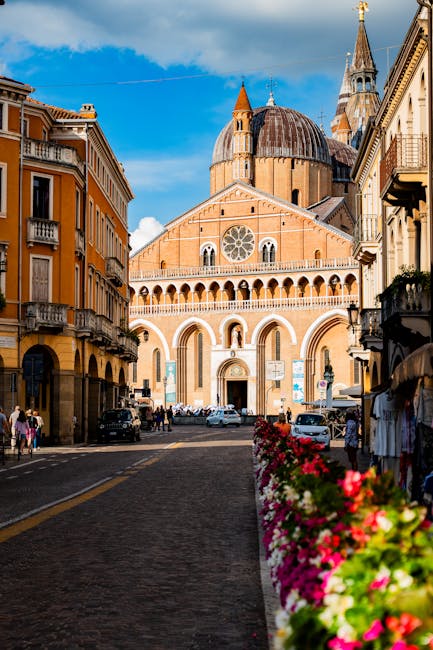
Location: Basilica di Sant’Antonio di Padova (Il Santo) — Piazza del Santo, 11, 35123 Padova PD
Prices: Entry to the basilica is free (free Wi‑Fi and self‑guided visit). Some chapels and annexed museums (Museo Antoniano) may charge an entry fee: Museo Antoniano — Via del Santo, 8, 35123 Padova — Indicative price €5–€7 (reduced €4), opening hours vary.
Opening hours: Basilica: open daily, 6:00–19:30 (times for religious services vary; morning mass and evening vespers). Museo Antoniano: generally 9:30–12:30 and 15:00–18:00 (closed Monday mornings). Check the welcome signs and the official site.
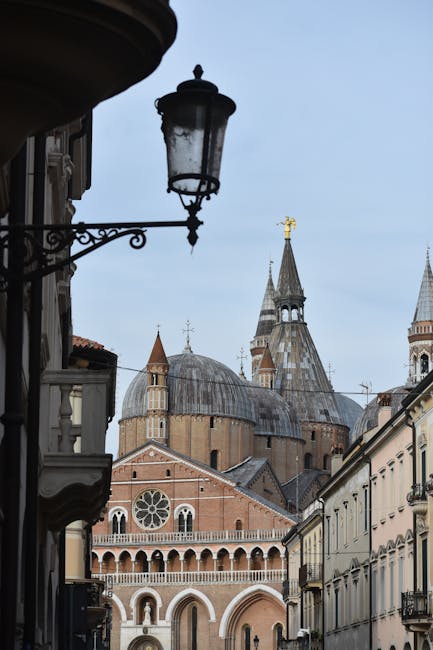
The Basilica di Sant’Antonio (nicknamed “Il Santo”) is a major pilgrimage site; it houses precious ancient works but is also open to contemporary proposals that question relics and memory: light installations near side chapels, contemporary ceramic pieces in dialogue with altars, and temporary exhibitions in the annexed spaces. As you stroll, you’ll sense this layering: processions of worshippers and visitors admiring modern installations conceived to respect the sacredness of the place.
The Museo Antoniano, attached to the basilica, focuses on liturgical objects and sculptures; it occasionally stages modern sacred art exhibitions centered on themes like suffering, redemption and solidarity. These temporary shows can include glass and metal works, video pieces and prints that re-encode Christian symbolism using contemporary materials.
Local tips:
- Visit early in the morning to attend a mass and experience the living dimension of the shrine before tour groups arrive.
- Respect dress codes (shoulders and knees covered) and keep a quiet demeanor in prayer areas.
- After your visit, cross Piazza del Santo for a coffee at Caffè Pedrocchi (Via VIII Febbraio, 15), a historic spot for an espresso and a peaceful read.
- If you want to photograph contemporary installations in the annexed spaces, ask museum staff for permission.
Museo Diocesano di Padova and Centro Culturale Altinate San Gaetano: institutions of the contemporary sacred
Museum: Museo Diocesano di Padova — Piazza del Duomo, 12, 35139 Padova PD
Prices: Standard admission Museo Diocesano €6, reduced €4 (students, groups). Temporary exhibitions: variable prices (often included in the museum ticket or an extra €3–€8 depending on the event).
Opening hours: Generally open Tuesday to Sunday, 9:30–12:30 and 15:00–18:00; closed Mondays. Hours can change for special exhibitions; check ahead on the website or by phone.
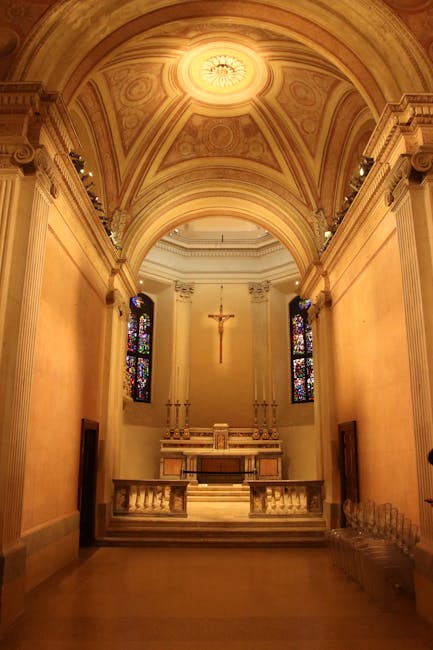
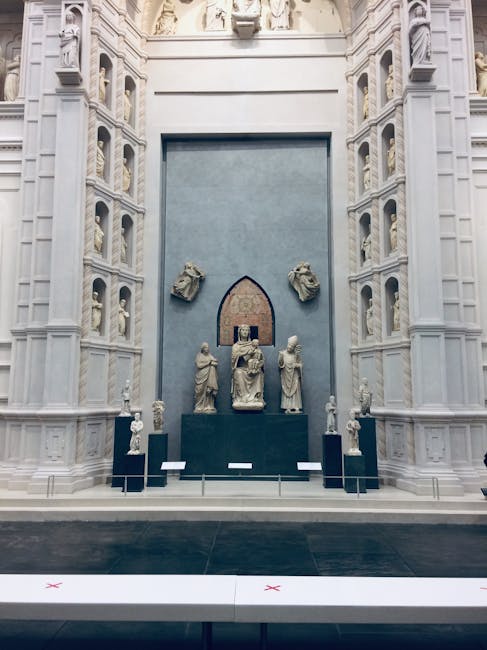
The Museo Diocesano preserves a remarkable collection of liturgical objects, paintings and sculptures, and dedicates part of its spaces to contemporary exhibitions exploring the theme of the sacred. Curators select artists working on memory, transcendence and liturgical gestures: sound installations that play with an ancient space’s acoustics, patinated bronze sculptures, contemplative videos projected onto old fabrics. The experience is often educational: explanatory panels, audio guides and school workshops extend the visit.
Center: Centro Culturale Altinate San Gaetano — Via Altinate, 71, 35121 Padova PD
Prices: Entry to temporary exhibitions €5–€12 depending on the program; some exhibitions and events are free. An annual cultural membership is available (price typically around €30–€50) for access to multiple exhibitions.
Opening hours: Generally open Tuesday to Sunday, 10:00–19:00. Closed Mondays. Some evening events or lectures have specific schedules.
The Centro Culturale Altinate San Gaetano is a landmark for contemporary art in Padua: large exhibition halls, multidisciplinary programming and a mission to produce critical conversations about the sacred today. Temporary shows often feature Italian and international artists who extend religious heritage into current aesthetics: monumental installations occupying the nave, immersive video works that recontextualize liturgical objects, or photographic series on contemporary places of worship.
Local tips:
- Check the exhibition calendar online and reserve spots for evening events or performances that fill up fast.
- Take advantage of talks and guided tours regularly organized to understand artists’ spiritual intentions.
- The center’s bookshop carries exhibition catalogs and rare publications on contemporary sacred art — an excellent place to deepen your reading.
- Transport: Via Altinate is in the heart of the old town; it’s a 20–25 minute walk from the train station or reachable by city bus (stop “Altinate/Portello”).
Practical routes, visiting tips and useful addresses to extend the experience
To fully experience contemporary sacred art in Padua, plan your days around neighborhoods that are walkable. The compact old town allows you to combine several visits; here are three practical itineraries:
- Cultural morning (Scrovegni + Eremitani): Start at the Cappella degli Scrovegni (Piazza Eremitani, 8), then cross over to the Museo degli Eremitani for complementary exhibitions. Lunch break at Ristorante Pizzeria Al Duomo, Via Roma 13 (typical dishes €10–€18).
- Spiritual midday (Il Santo + Museo Antoniano): Visit the Basilica di Sant’Antonio (Piazza del Santo, 11) and the Museo Antoniano (Via del Santo, 8). Ideal for feeling the living liturgy alongside contemporary installations.
- Contemporary afternoon (Altinate + Museo Diocesano): Centro Altinate San Gaetano (Via Altinate, 71) for current exhibitions, then Museo Diocesano (Piazza del Duomo, 12) for a look at tradition and its reinterpretations.
Practical addresses and services:
- Tourist Office Padova Welcome — Piazza Garibaldi, 11, 35122 Padova PD. Opening hours: Monday–Saturday 9:00–19:00, Sunday 9:00–13:00. Information, combined tickets, maps and audio guides.
- Train station: Stazione di Padova — Piazzale Stazione, 35131 Padova PD. From there, city buses and taxis serve the old town (15–20 minutes on foot).
- Online booking: official museum websites (Cappella degli Scrovegni, Museo Diocesano, Centro Altinate) to buy timed tickets and access discounts.
Visiting tips:
- Wear comfortable shoes: cobbled lanes and stone floors require stable footwear.
- Keep quiet in places of worship and prefer guided tours or audio guides for a deeper understanding of contemporary installations.
- If you travel in summer, favor morning or late-afternoon slots to avoid heat and crowds.
- Museums often offer reduced rates for students and seniors: have your ID ready.
Conclusion — Understanding contemporary sacred art in Old Padua: an invitation to modern contemplation
Padua offers a unique route where the sacred is not frozen in time but constantly reimagined through the voices of contemporary artists. From the immutable frescoes of the Cappella degli Scrovegni to discreet installations in the Basilica di Sant’Antonio, and the exhibitions at the Museo Diocesano and the Centro Culturale Altinate San Gaetano, the city provides a coherent dialogue between memory and innovation. The addresses given — Piazza Eremitani 8, Piazza del Santo 11, Piazza del Duomo 12 and Via Altinate 71 — form a cultural quadrilateral to be explored slowly, with respect and curiosity.
This guide has supplied essential practical information: prices in euros, general opening hours and local tips to optimize your visit. Keep in mind that contemporary exhibitions evolve quickly: check the institutions’ official websites and the Padova Welcome Tourist Office (Piazza Garibaldi, 11) for updates and reservations. Finally, let yourself be carried by the experience: contemporary sacred art doesn’t impose answers, it invites questions. And often, it’s in the silence of a chapel, lit by a luminous installation, that the most unexpected encounter happens between today’s visitor and the spiritual architectures of the past.
Safe travels to Padua: may your steps lead you to these crossings of history and the present, devotion and creation — and may you leave with images, sensations and fresh ideas about how art can still speak of the sacred today.