





Introduction
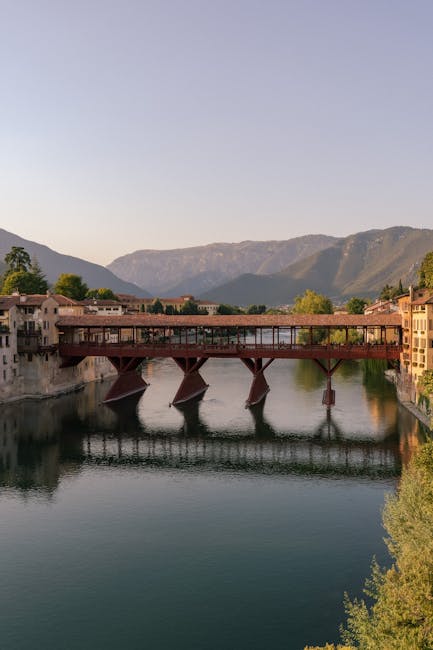
Bassano del Grappa looks like it was lifted straight off a Venetian postcard, yet it has a character all its own — shaped by the Brenta River, the Asiago hills and a long tradition of distillation. About 60 km northeast of Padua, Bassano makes an ideal day trip from Padua or a worthwhile stop on a broader Veneto itinerary. Its compact, pedestrian-friendly historic center offers cobbled lanes, painted houses and, above all, the iconic Ponte degli Alpini (commonly called the Ponte Vecchio) spanning the Brenta. This wooden bridge, originally designed by architect Andrea Palladio in the 16th century and rebuilt several times since, is both a symbol of local identity and a prime vantage point to admire the town and river.
But Bassano del Grappa is more than a pretty bridge: it’s the homeland of grappa. Since the 18th century families such as Nardini and Poli have turned distillation into an art passed down through generations. Historic distilleries open to visitors with guided tours and museum displays explain the distillation process, show old copper stills and offer tastings of grappas of different ages and styles. The town’s devotion to distillation is not merely commercial — it’s cultural, ritual and tightly linked to local agriculture.
Finally, Bassano’s location at the foot of Monte Grappa delivers spectacular panoramas. In minutes from the center you can reach viewpoints with sweeping vistas over the Po Valley to distant mountain ranges. The landscape is especially striking at sunrise or sunset, or after a summer storm when the light is crisp and colors pop. The short distance from Padua makes the trip practical: trains and buses link the two towns and you can tailor your route depending on whether you’re after food, history or scenery.
This article, written with a reader traveling from Padua in mind, dives into three must-see elements of Bassano del Grappa: the bridge, the distilleries and the viewpoints. You’ll find exact addresses, opening hours, prices in euros, evocative descriptions and local tips to make the most of your visit. Whether you love Palladian architecture, are a spirits enthusiast or a photographer chasing dramatic views, Bassano won’t disappoint. Expect to walk across wooden planks, inhale the aroma of well-aged grappa and gaze at a landscape that links plain and mountain in a visual crescendo.
The Ponte degli Alpini (Ponte Vecchio): history, address and visiting tips
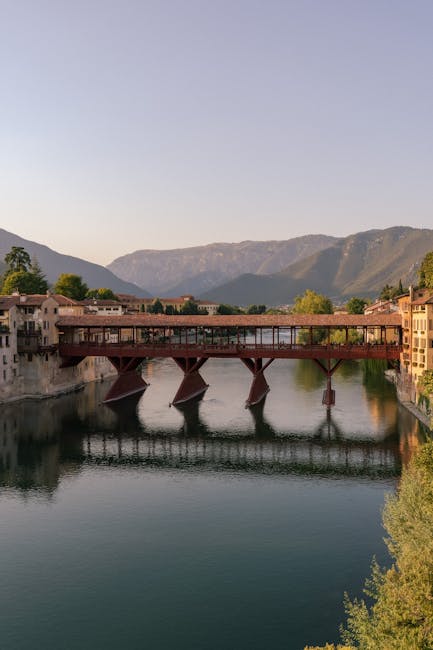
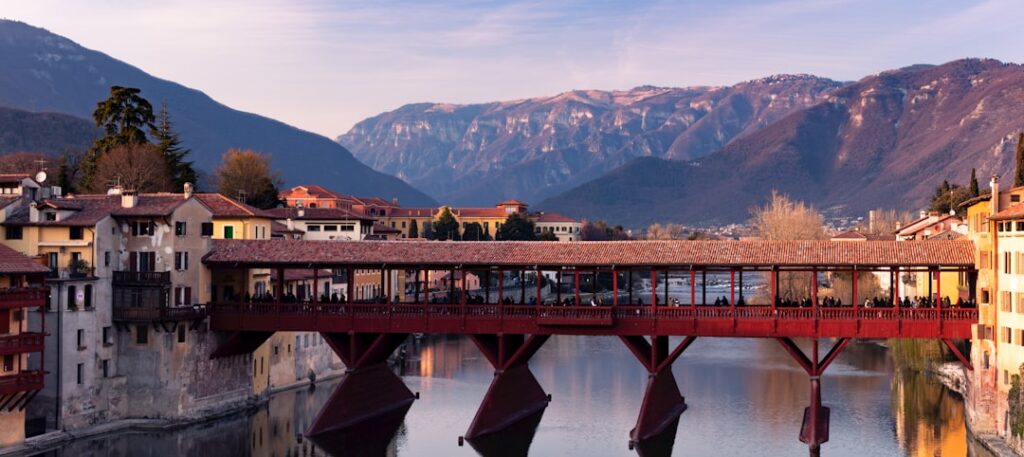
The Ponte degli Alpini, often called the Ponte Vecchio, is the undeniable emblem of Bassano del Grappa. Designed by Venetian architect Andrea Palladio in 1569, the original wooden bridge has been rebuilt repeatedly after floods and wartime destruction. The current structure pairs traditional timber with modern reinforcements, but still retains that historic, movie-set look. It’s a perfect place to start your visit: it links the historic, commercial bank with the old workshop district and offers views of the Brenta, colorful facades and the mountains beyond.
Address: Ponte degli Alpini (Ponte Vecchio), Piazza degli Alpini, 36061 Bassano del Grappa (VI), Italy. The bridge is freely accessible 24/7; there’s no entrance fee to cross it. For sunrise photos or to avoid summer afternoon crowds, plan a visit early morning (roughly 6:00–9:00) or later in the evening (after 18:00).
Immersive description: walking across the bridge, feel the timber underfoot, notice the worn planks and the joints that tell stories of centuries of footsteps. Look downstream: the Brenta stretches out like a ribbon of water, calm in parts and quicker near the old mills. Upstream, the silhouette of Monte Grappa adds dramatic depth to the scene. The ochre and pastel buildings along the river reflect the light and make perfect frames for photographs.
Practical tips: the bridge is pedestrian but bicycles do pass through — stay alert. If you want a guided tour, the local tourist office, Ufficio IAT Bassano del Grappa (Piazza Garibaldi 15), sometimes runs themed walks that include the bridge and town history (check opening times and availability). In cold weather the bridge can be windy, so pack a windbreaker. Several cafés and gelaterie line the area around the bridge — an artisan gelato or a coffee on a terrace is a lovely way to linger.
Grappa distilleries and museums: Distilleria Nardini, Poli Museum and tastings
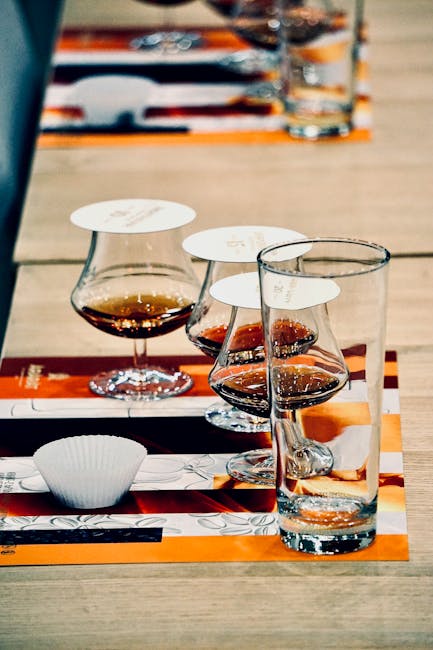
Bassano del Grappa is essential territory for grappa lovers. Two names come up repeatedly: Distilleria Nardini, founded in 1779, and Distilleria Poli (often connected with the Museo della Grappa). These places offer guided tours, exhibitions on the history of distillation and — naturally — comparative tastings that reveal the range of grappa styles, from young, lively and aromatic to barrel-aged expressions with deep flavors and rounded textures.
Distilleria Nardini — Address: Riviera Alfredo Bortolo Nardini, 14, 36061 Bassano del Grappa (VI), Italy. Opening hours: guided tours by reservation Tuesday through Sunday, 10:00–17:00 (last entry varies by season). Typical price: guided tour with tasting around €12–20 per person (reduced rates for groups and specific workshops). The historic distillery, recognizable by its white façade and emblematic logo, offers a staged route explaining the role of the Brenta and local vineyards in producing pomace, and charts the evolution of pot stills and bain-marie distillation.
Poli Distillery & Museo della Grappa — Address: Distilleria Poli, Via G. Marconi 15, 36061 Bassano del Grappa (VI), Italy (please check the official site to confirm the exact address before you go). Hours: museum typically open Wednesday to Sunday, 10:00–13:00 and 15:00–18:00; tastings and workshops by reservation. Indicative price: museum entry €7–12; tastings à la carte €8–25 depending on number and rarity of samples. The Museo della Grappa displays old stills, winemakers’ tools, family archives and explanatory videos on distillation, aging and the link between terroir and aromatic profile.
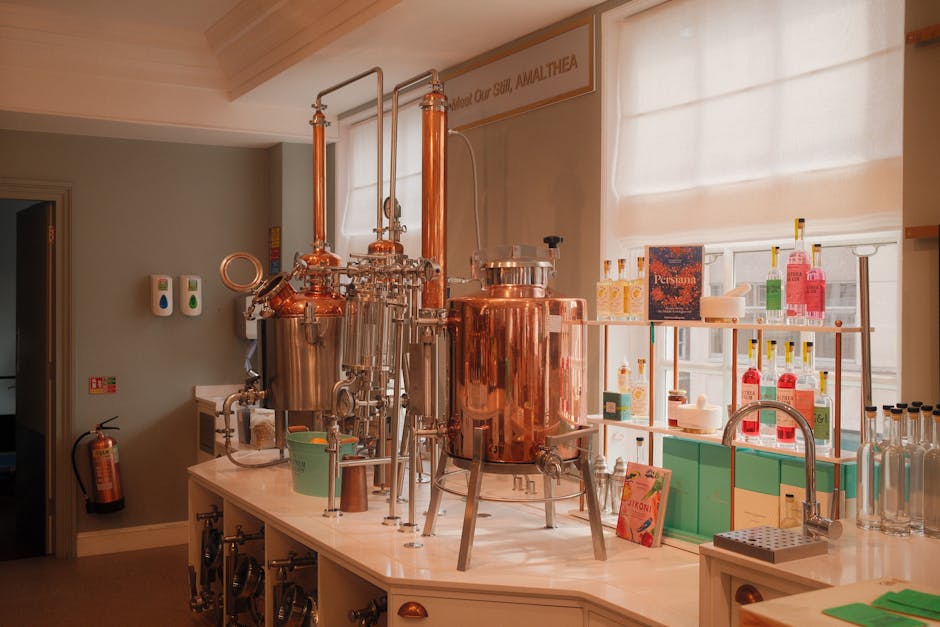
Immersive description: during a visit you’ll see polished copper stills, smell the bright, sometimes herbaceous notes of a young grappa and then move on to oak casks where the spirit develops color and roundness. Tastings are educational: a guide will teach tasting technique, aroma notes and pairing ideas — from desserts and coffee to cheese. Don’t miss limited editions or cask-strength bottles sometimes sold in the shop; they make memorable souvenirs.
Practical tips: book ahead, especially on weekends and in high season. From Padua take the train to Bassano del Grappa (station: Stazione di Bassano del Grappa) then walk or take a short taxi ride to the distilleries. Bring some cash for small purchases; most shops accept cards, but special offers or local markets may prefer cash. If you plan to taste, arrange a designated driver or use public transport for the return to Padua.
Scenic viewpoints and easy hikes: Monte Grappa, Piazzale degli Eroi and overlooks
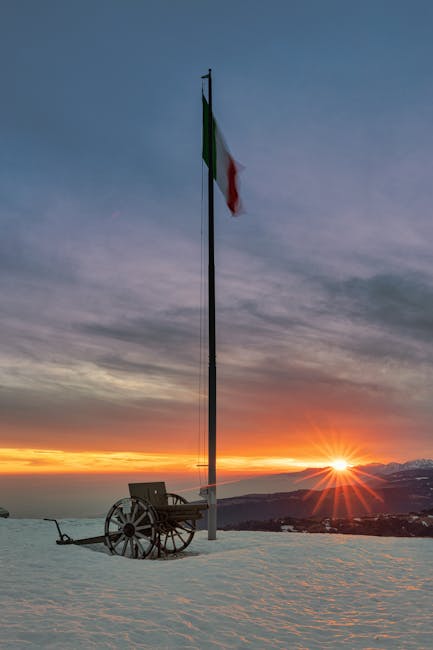
A few kilometers north of Bassano, Monte Grappa delivers sweeping views across the Veneto. Even if you’re coming from Padua the access is straightforward: winding roads and designated parking give access to lookout points by car, while marked trails are available for hikers who want a more active outing. Two viewpoints stand out: Piazzale degli Eroi and the Sacrario militare del Monte Grappa, both sites heavy with history and emotion, offering panoramas that encompass the Po Valley and, on clear days, distant Alpine ridgelines.
Piazzale degli Eroi — Typical access: SP148 road toward Monte Grappa, parking at Piazzale degli Eroi (local coordinates available at the tourist information point). Hours: open 24/7. Description: this panoramic platform is perfect for sunset photos — the light sculpts the terrain and highlights scattered villages in the valley. Binoculars help to scan the plain and, on very clear days, spot Padua’s silhouette on the horizon.
Sacrario militare del Monte Grappa — Address: Via Sacrario, 36020 Crespano del Grappa (TV) (site located on Monte Grappa’s slopes). Hours: generally open to the public, though times may vary with seasons and commemorative ceremonies (check before visiting). Fee: entry is often free or by suggested donation to help with upkeep. Immersive description: the memorial, built to honor soldiers who fell in wartime, combines solemn architecture with magnificent vistas; a morning ascent wrapped in mist is especially photogenic and moving.
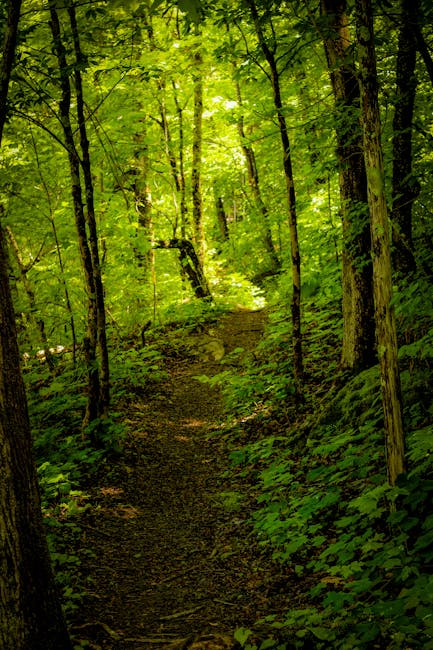
Hikes and walks: for a more active outing, the trail from Crespano del Grappa to the main summit is well-marked and suitable for regular hikers; allow 2–4 hours depending on start point and pace. Bring water, comfortable hiking shoes and a jacket — the wind can be strong even in summer. In winter check conditions and whether mountain roads are closed.
Local tips: photographers will prefer morning light to capture soft tones and occasional valley mist. If coming from Padua, allow at least half a day to combine a Monte Grappa climb with time in Bassano’s center. Mountain cafés serve local specialties (polenta, cheeses, cured meats) — ideal to refuel after a walk. Above all, stay on marked paths to protect alpine flora and preserve the area.
Practical info from Padua: transport, accommodation, itineraries and budget
Organizing a trip from Padua to Bassano del Grappa is simple and flexible. There are several options depending on budget, time and preferences: train, bus, rental car or an organized excursion. Here’s a practical guide to planning your visit from Padua.
Transport:
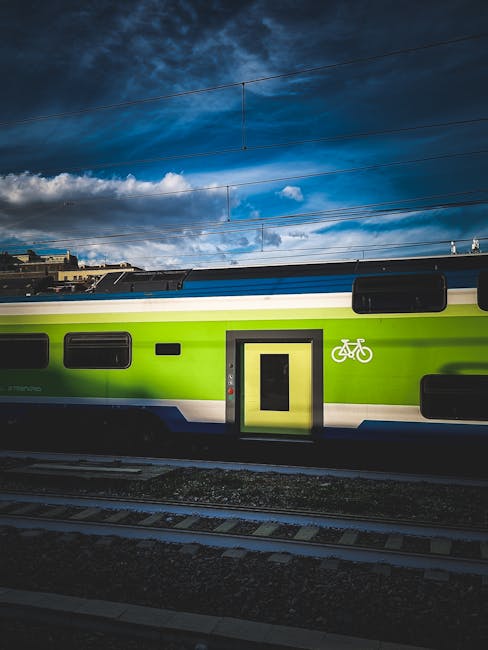
- Train: from Padova Station (Stazione di Padova) take a regional train to Bassano del Grappa (you may need to change at Castelfranco Veneto depending on schedules). Travel time: roughly 50–80 minutes depending on connections. Price: regional tickets around €5–10 depending on distance and train type. Check Trenitalia or regional platforms for current timetables.
- Bus: FlixBus and regional services sometimes run routes; times and prices vary. Bus travel can offer more schedule flexibility outside peak train times.
- Car: drive Padua – Bassano del Grappa via the A4/E70 then SR47 in about 45–60 minutes depending on traffic. Parking: several paid car parks in the center (hourly rates commonly €1–2, vary by zone).
Suggested day itinerary from Padua:
- Morning: leave early by train to arrive in Bassano around 09:00. Coffee and a stroll on the Ponte degli Alpini, morning photos.
- Late morning: guided distillery tour (book ahead, allow 1–1.5 hours) and tasting.
- Lunch: eat near Piazza Garibaldi — typical dishes include risotto, polenta and local cheeses.
- Afternoon: head up to Monte Grappa or visit the Museo Civico (if open), then free time for artisan shopping.
- Return: train or car back to Padua in the early evening.
Estimated budget for a day (per person): return transport €10–20, distillery visit & tasting €12–25, meal €15–35, extras (gelato, souvenirs) €5–20. A budget of €45–100 will let you enjoy a comfortable day without splurging.
Essential local tips: bring water for walks, especially in summer; reserve distillery visits and popular restaurants in advance on weekends and in high season; wear comfortable shoes for cobbles and short slopes; and ask Ufficio IAT Bassano del Grappa (Piazza Garibaldi 15) for current event listings, temporary exhibits and local markets. Finally, respect alcohol consumption rules: taste in moderation and rely on public transport or a designated driver for the return to Padua.
Conclusion
Bassano del Grappa blends architectural heritage, culinary know-how and mountain panoramas with elegant ease. Less than an hour from Padua by train or car, it makes a perfect immersive day trip or a longer stop. The emblematic Ponte degli Alpini tells the story of a town shaped by the Brenta and architects like Andrea Palladio; the distilleries, notably Distilleria Nardini and the grappa museums, offer a sensory dive into distillation with guided tastings and local products to buy; and Monte Grappa provides viewpoints and memorials that add natural and emotional dimensions to the visit.
If you’re traveling from Padua, planning is straightforward: take a regional train, reserve a distillery tour, allow time to wander along the Brenta and, if possible, climb Monte Grappa for an unforgettable sunset. The addresses and hours here are practical references to help you plan, but always double-check for seasonal changes, occasional closures and reservation requirements before you set off. Bring good shoes, a camera and a curiosity for local produce — Bassano rewards attentive visitors.
Leaving Bassano del Grappa for Padua, you’ll likely take home more than a postcard: images of the wooden bridge, the scent of grappa and the feeling of having crossed a place where history, craft and nature meet powerfully. Whether you opt for culture, a gastronomic escape or a scenic hike, Bassano offers a range of experiences that pair perfectly with a getaway from Padua. Safe travels and enjoy the tasting!