



Introduction: From Plaster to Light — Padua, Land of Frescoes
Padua (Padova) is a city where stone and paint have been in conversation since the Middle Ages. Here, the fresco painter’s hand has shaped not only the decoration of churches and palaces but also how residents and visitors experience urban space. From lime-wash plaster to subtle layers of natural pigments, the practice of fresco — whether influenced by Giotto, Venetian styles, or Quattrocento approaches — remains a living lesson in art history and artisanal craft. Strolling the streets around the historic squares, you can still trace these artists’ work, imagine their workshops, and, above all, admire masterpieces that have survived thanks to material mastery and careful conservation work.
This article offers a technical and sensory journey through Padua’s main sites where mural painting left its mark. It outlines local fresco painters’ methods, traditional materials, the steps involved in creating a fresco, and the conservation challenges posed by humidity, pollution, and tourism. You’ll also find exact addresses, opening hours, and entrance prices in euros to plan your visits, plus practical tips on how to view these works under the best conditions — natural light, quieter times, and rules to help protect these treasures.
More than an architectural description, this piece is immersive: we look at tools (trowel, cazzuola, spolvero), binders (hydraulic lime, slaked lime mixes), pigments (umber, imported lapis lazuli, ochres), and the strappo and stacco techniques used by restorers to detach, transport, or stabilize pictorial layers. We’ll also examine emblematic sites like the Cappella degli Scrovegni, the Basilica di Sant’Antonio, the Palazzo della Ragione and the Museo Civico agli Eremitani, giving exact addresses, hours and fees so you can plan your visit. Finally, local tips — Padova station, traffic, top restoration studios and specialist bookshops — will help you deepen your exploration of Padua’s fresco tradition, between technical know-how and aesthetic emotion.
The Cappella degli Scrovegni: Masterpiece and Technical Laboratory
The Cappella degli Scrovegni is often the starting point for anyone wanting to dive into Padua’s fresco techniques. Located at Piazza Eremitani, 8, 35121 Padova PD, the chapel, universally associated with Giotto, features painted cycles covering virtually all interior surfaces. Entry is by reservation: visitors arrive in controlled time slots to preserve atmosphere and aid conservation. Usual opening hours: daily from 09:00 to 19:00, but you must check official times before your visit. Indicative price: around €15 for a standard adult ticket, with reduced rates for students and seniors; audio guides are available for a few euros more. Prices may vary by season and with combo offers including the Museo Civico agli Eremitani.
Technically, the Cappella degli Scrovegni is an exemplary demonstration of true fresco (affresco a fresco), where pigment is applied onto fresh plaster. Layering begins with the arriccio (a coarse base plaster of lime and sand), followed by the intonaco (a thin, smooth layer of slaked lime) applied in sections — typically one day’s work called a giornata. The painter therefore planned the area to be completed each day and executed a preparatory drawing, often transferred by spolvero (pricking and pouncing the drawing) or incision. Pigments mixed with water penetrated the wet lime and were fixed chemically as the plaster carbonated.
Conservation of these works also illustrates modern techniques: support consolidation, targeted antimicrobial treatments, and sometimes the use of the strappo method to remove threatened fragments. In the Cappella, strictly controlled environmental conditions — regulated temperature and humidity — reduce deterioration. To get the most out of your visit: favor morning or late-afternoon time slots, avoid peak days (religious festivals, public holidays), and keep a respectful distance from the paintings. Photography is often prohibited inside; check the rules in advance.
From Palazzo della Ragione to Private Oratories: Civic and Private Frescoes
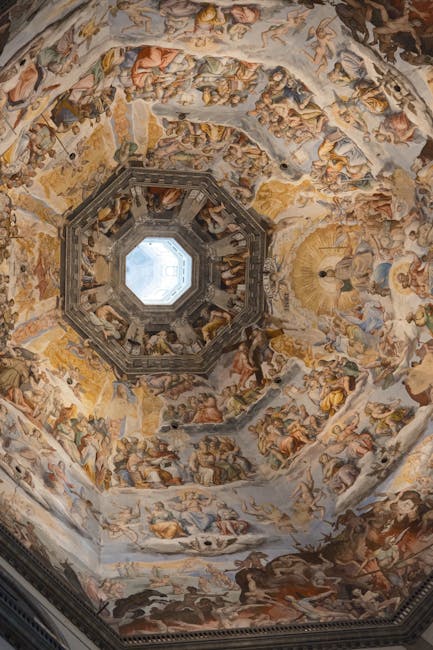
The Palazzo della Ragione, located at Piazza delle Erbe, 1, 35122 Padova PD, is another focal point for understanding the variety of frescoes across the city. Its large Salone al Piano Nobile, once entirely covered in frescoes, attests to a secular tradition of mural painting tied to urban life and civic representation. Typical hours: Wednesday to Monday from 10:00 to 18:00, closed on Tuesdays; indicative entrance fee to the Salone and exhibitions: €6–8 depending on temporary shows. The palace contains successive layers of painted decoration, from the Middle Ages to the 19th century, where different techniques intermingle — fresco, secco painting (on dry plaster), and whitewash (badigeon).
Civic frescoes, by nature of their function, face particular technical challenges: they cover vast horizontal and vertical surfaces exposed to smoke, steam and temperature fluctuations tied to daily life. Padua’s artists often combined true fresco with secco retouching, using organic binders (egg, casein, animal glue) to finish details and strengthen colors that weren’t achievable in fresh plaster alone. While these retouches allowed greater pictorial freedom, they sometimes complicate conservation because organic binders behave differently from plaster, leading to cracking and flaking.
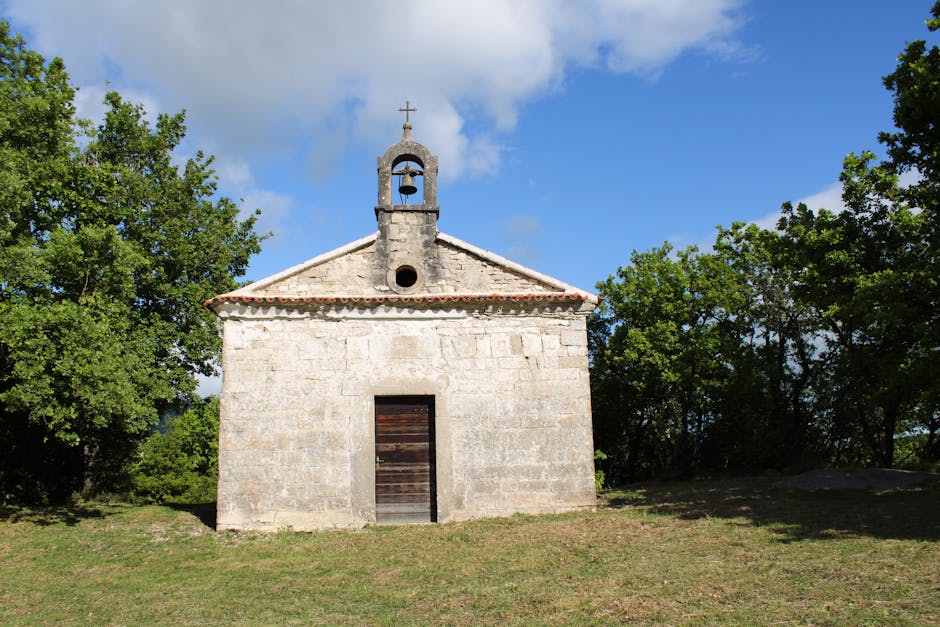
Private oratories and chapels, such as the Oratorio di San Michele (Via San Pietro, near the Basilica di Sant’Antonio) or the Oratorio della Carità (in the historic center), offer more intimate settings where narrative cycles and workshop practices are visible: signatures from local artists, family workshops, and commissions by confraternities. Opening times and access to these sites can be limited; many are open only during guided tours or by appointment. Entry fees vary — some ask for a free-will donation, others charge between €3 and €7.
Materials, Tools and Gestures: Anatomy of Padua’s Fresco Work
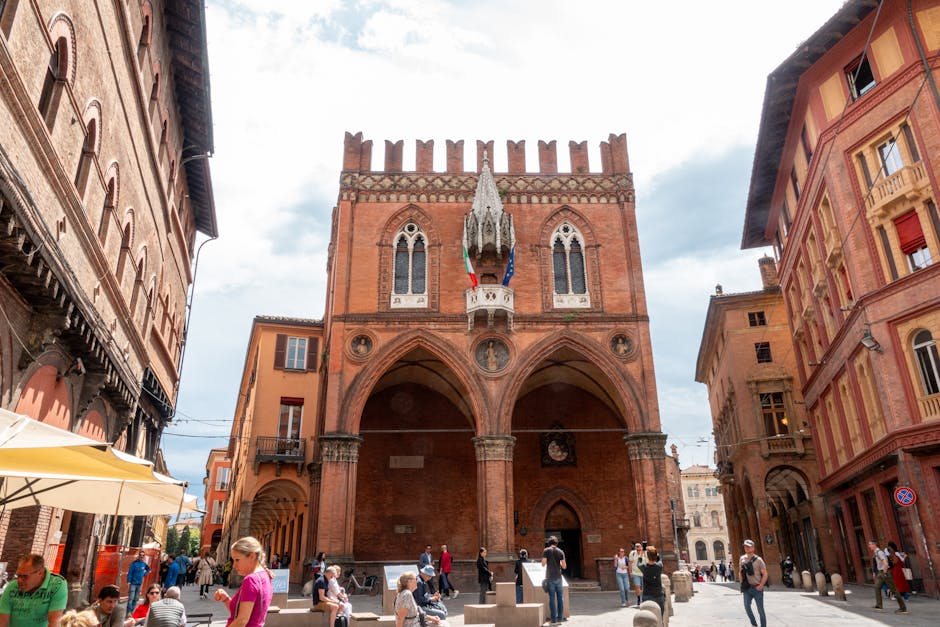
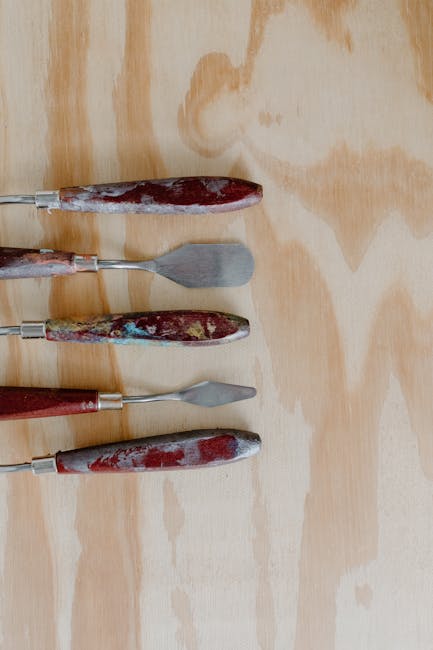
In Padua’s workshops, the material toolkit is at once simple and sophisticated. The support starts with the prepared wall: stone, brick or blocks covered with an arriccio made of lime and sand. The intonaco, made of slaked lime and fine sand, is applied in thin layers. Lime’s setting time dictates the giornata — each portion painted in a single day must be carefully planned. Tools used by the fresco painter include the cazzuola (trowel), spatula, pennello (natural-hair brush), the drawing board (tavoletta per disegnare), and charcoal (carboncino) for sketching.
Pigments, a crucial element, come from local earths (yellow ochre, umber), minerals (cinnabar, malachite), or long-distance trade (lapis lazuli for intense blues, often reserved for prestigious commissions). These pigments are diluted with water just before application; contact with wet intonaco ensures durable fixation. Where fresh plaster can’t produce certain glazes or highlights, artists resort to a secco techniques using organic binders, which requires skill to avoid flaking.
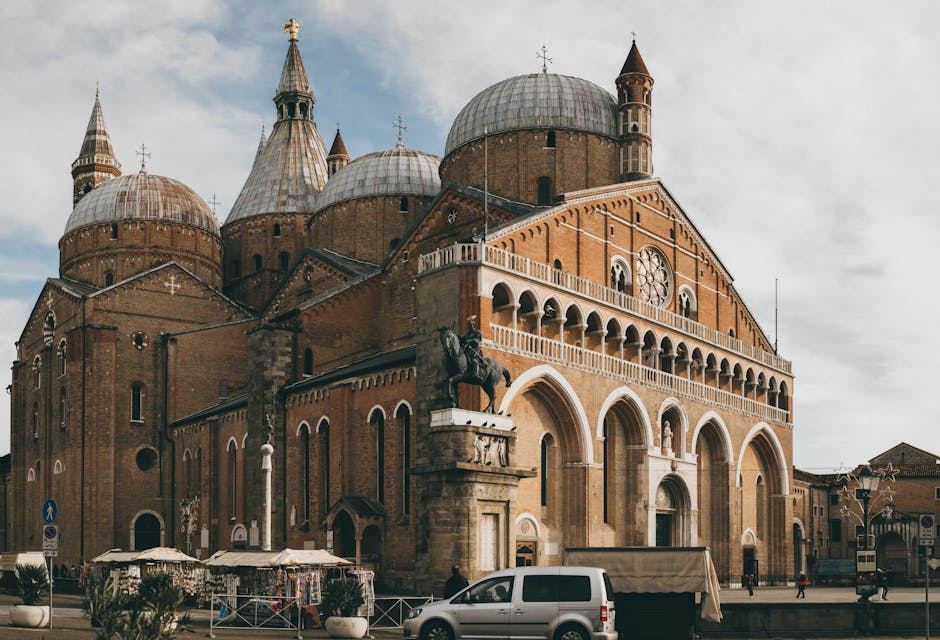
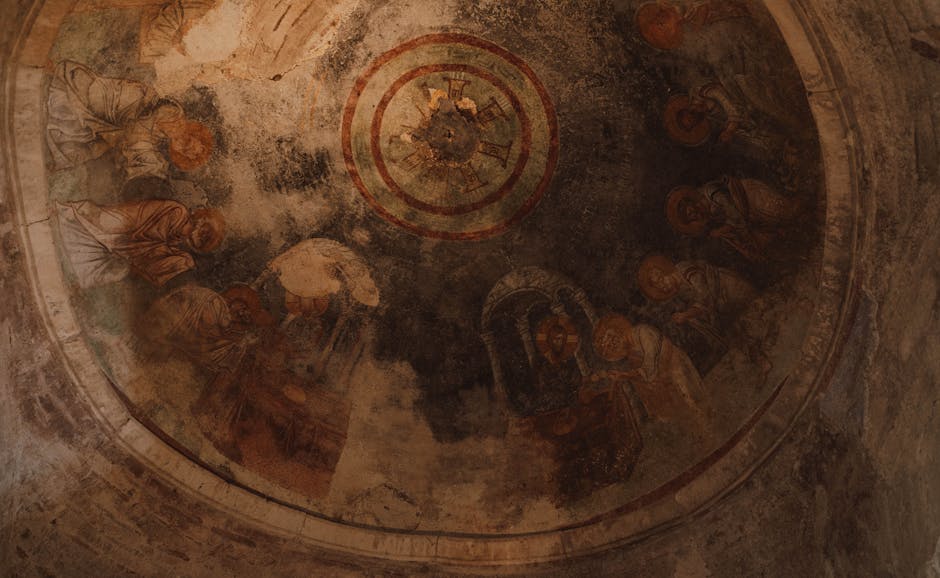
The fresco painter’s movements are choreographed: erecting scaffolding, preparing joints, marking giornate, transferring cartoons by spolvero or incision, laying in backgrounds then adding details. Colors are considered in relation to the site’s light — orientation, hours of sunlight, stained glass and openings influence the palette. Sacred frescoes, for instance in the Basilica di Sant’Antonio di Padova (Piazza del Santo, 11, 35123 Padova PD — basilica generally open all day, free entry), benefit from filtered light that intensifies certain ochres and vermilions while deep blues stand out in shadowed areas.
Conservation and Restoration in Padua: Science at the Frescoes’ Bedside
Conserving frescoes in Padua combines history, chemistry and artisanal techniques. The main enemies of mural paintings are humidity, thermal variations, atmospheric pollution and poorly executed past interventions. Local restorers often collaborate with the Ministero della Cultura, universities (Università degli Studi di Padova) and private laboratories to diagnose and treat pathologies. Interventions range from local consolidations to stacco of layers, and include very precise mechanical and chemical cleaning.
Methodology begins with documentary and stratigraphic study: microscopic sampling, pigment analyses (spectrometry), and moisture tests. Based on results, conservators choose compatible consolidants (lime nanoparticles, mineral binders) to restore cohesion to the support without upsetting the chemical balance. In extreme cases, the strappo method (detaching the pictorial layer) is used to save the image by transferring it to a new support. These operations are lengthy and costly and require specialized workshops; in Padua, teams trained at the Università degli Studi and the Museo Civico agli Eremitani laboratory intervene regularly.
If you want to observe these techniques in action, check programs and visits at the Museo Civico agli Eremitani (Piazza Eremitani, 8, 35121 Padova PD), where exhibitions and restoration dossiers are sometimes on display. Hours: generally Tuesday to Sunday from 09:00 to 19:00, closed on Monday; indicative entry fee: €8–12 depending on exhibitions. Joining a guided tour or a temporary workshop helps understand contemporary challenges: the microclimate of rooms, monitoring systems, and mediation strategies to exhibit to the public without accelerating deterioration.
Practical Tips for Visitors: Where, When and How to See the Frescoes
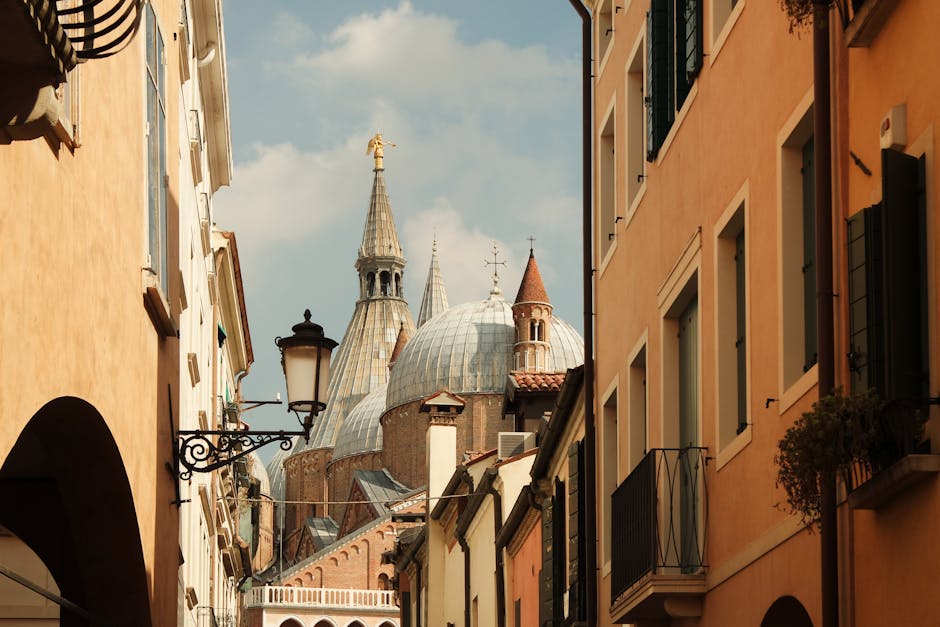
To make the most of your visit to Padua, plan around opening times, ticketing and the weather. The Cappella degli Scrovegni requires an online reservation; arrive 15 to 20 minutes before your timeslot to pass through the climate-controlled waiting room. For the Palazzo della Ragione and the Museo Civico agli Eremitani, check whether temporary exhibitions affect hours and prices. Churches like the Basilica di Sant’Antonio (Piazza del Santo, 11) are free and open early in the morning, allowing you to enjoy religious frescoes in soft morning light.
Getting around and location: the main station is Stazione di Padova (Piazzale Stazione, 1, 35131 Padova PD). From there, many sites are within walking distance or reachable by tram/bus. Bus tickets are sold at tobacco shops (TABACCHI) or via local apps; the historic center is largely pedestrianized. Wear comfortable shoes for cobbles and bring a light jacket: churches can be cool even in summer. For photography, check rules — the Cappella degli Scrovegni, for example, generally bans photos; other sites may forbid flash.
Conservation advice: respect barriers, don’t touch painted walls, avoid eating or drinking inside heritage buildings. If you’re interested in technique, seek out specialist bookshops like Libreria antiquaria Galleria Cavour (Via Cavour, historic center) and restoration workshops that sometimes host observation sessions or lectures. Finally, plan visits outside the hottest summer months if you want to avoid crowds; intermediate seasons provide ideal light to appreciate pigment subtleties.
Conclusion: Understanding a Fresco Is Reading the City
Visiting Padua for its frescoes means taking the time to read several overlapping languages: the material language of plaster and lime; the language of pigments from local quarries or far-flung trade routes; and the language of gestures passed down from workshop to workshop. Padua’s frescoes are not merely images; they are technical and social witnesses. They tell stories of patrons, confraternities, civic institutions, religious practices, and how a community chose to inscribe narratives and beliefs onto the city’s walls.
On a practical and technical level, Padua offers an exceptional field of study where contemporary conservation dialogues with ancient processes. From the Cappella degli Scrovegni to hidden oratories, every site demands careful attention: surface preparation, pigment choices, application gestures and preservation strategies. For the curious visitor, these are opportunities to learn to look differently: to observe the grain of the intonaco, the secco retouches, or how light reveals chromatic layers invisible at first glance.
Finally, keep in mind that these works are living — they require responsible, informed visits. Respecting guidelines, favoring guided tours and supporting local institutions (museums, libraries, restoration studios) helps preserve this unique heritage. In Padua, the journey from plaster to light is a collective story, made of ancient know-how and modern research; pausing to take it in means joining a conversation that links past to present and makes us more attentive to what is fragile and beautiful.