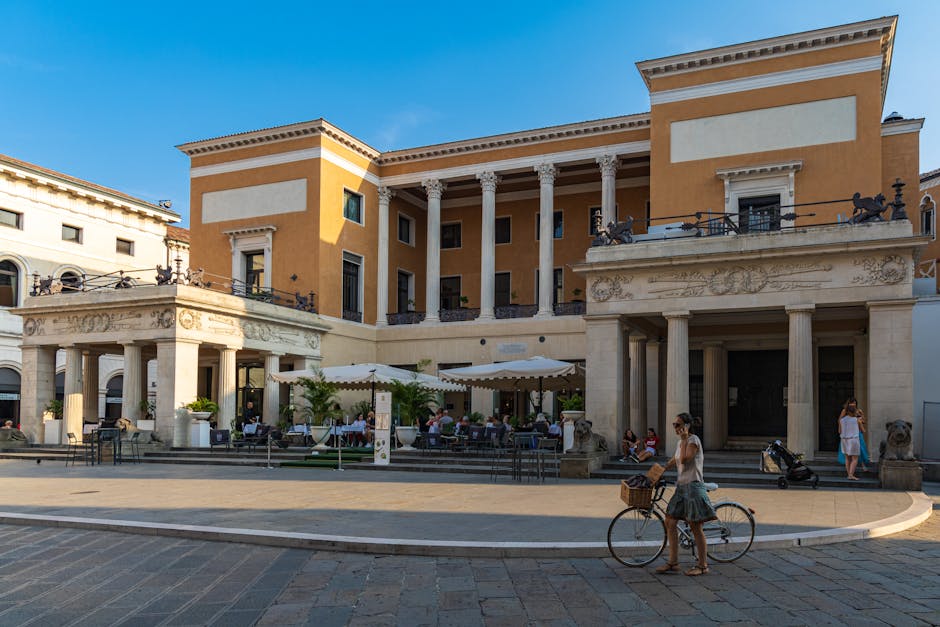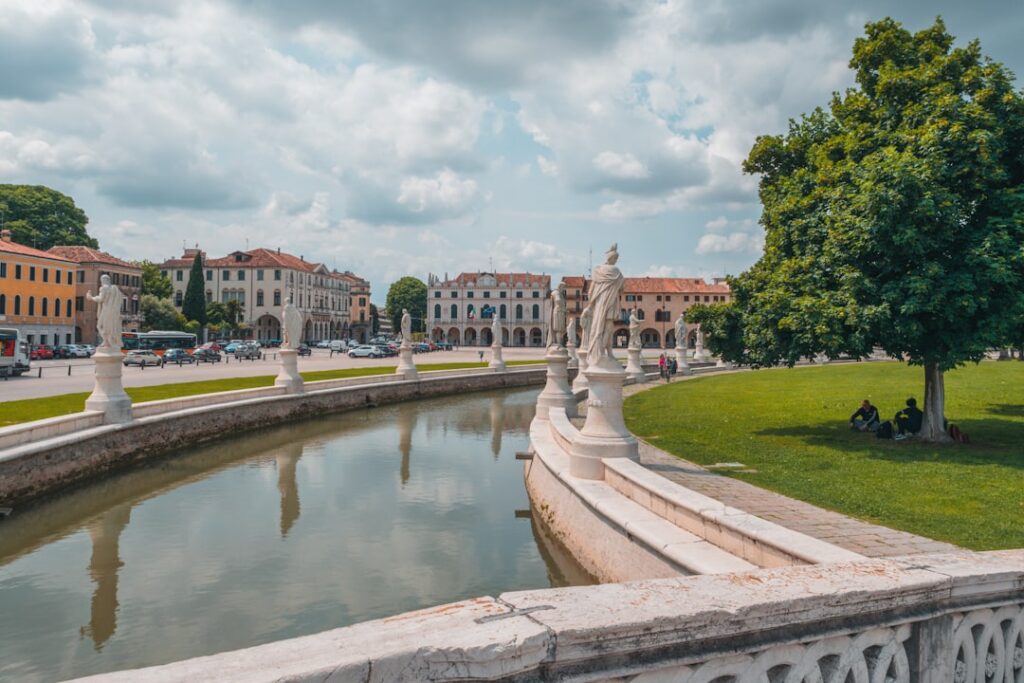






Introduction: An Aromatic Journey Through Padua’s Historic Cafes
Padua, a university city with a thousand-year history in the heart of Veneto, is often celebrated for its Basilica of Saint Anthony, the grand Prato della Valle, and the Università degli Studi di Padova founded in 1222. But beyond its monuments and diplomas, another Italian tradition thrives here: the coffee culture. Padua’s historic cafes are more than places to sip an espresso; they’re social microcosms where students, professors, craftsmen, artists and travelers mingle. They preserve a way of life handed down through generations — worn leather benches, polished marble counters, golden pastries and lively conversations.
Exploring Padua in search of its historic cafes is a sensory and gustatory trip through the ages. Some venues keep intact 19th-century interiors with mouldings, engraved mirrors and gleaming copper counters; others have evolved into modern workshops where you can watch beans being roasted. Each cafe has its signature: a brioche recipe passed down in the family, a house blend roasted for decades, or an inventive pastry that celebrates the seasons. Savoring a caffè corretto, a cappuccino or a regional specialty here becomes a way to read the city’s history.
Through this article we’ll take you on a detailed stroll among these emblematic spots. You’ll not only discover historical anecdotes tied to each place, but also practical info: exact addresses, opening hours, indicative prices in euros and local tips to enjoy the experience like a regular. Whether you’re looking for the café where Mozart might have crossed paths with a professor, the pasticceria still hand-making bignè, or the tea room facing a baroque square, this guide offers tasted and described stops so your exploration is both delicious and well-documented.
We’ll also add practical recommendations to adapt your visits to the time of day, the weather or your mood — a hearty breakfast before a morning of museums, an afternoon coffee to watch the sunset over the arcades, or a late-night tasting after a concert. Prepare your palate and your walking shoes: Padua is best enjoyed in small sips and long strolls, and its historic cafes are perfect milestones for an authentic immersion into daily life in Padua.
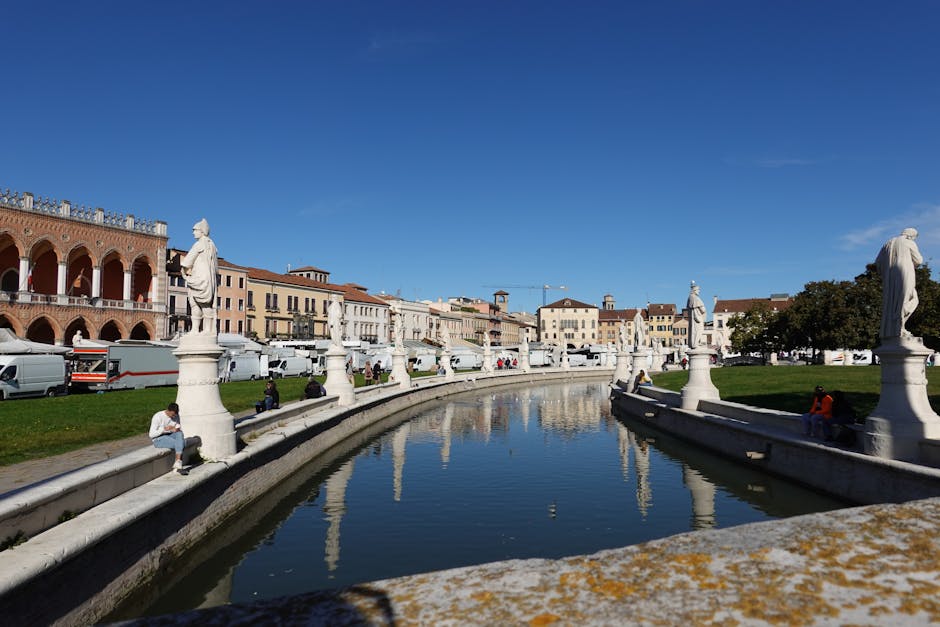
History and Heritage: From the antico caffè to Literary Salons
The tradition of cafes in Padua goes back to the 17th–19th centuries, when the first European salons opened for intellectual discussion and the exchange of knowledge. In Padua, a city famous for its university, cafes played a central role: places for debates between students and professors, meeting points for reading newspapers and informal amphitheaters for cultural life. One of the true symbols of this tradition is Caffè Pedrocchi, founded in the early 19th century, which quickly earned the reputation of being the city’s “salotto.”
Caffè Pedrocchi (Caffè Pedrocchi e Museo), Via VIII Febbraio 15, 35122 Padova PD — open daily 8:00–19:30. Indicative prices: espresso €1.50; cappuccino €2.50; pastry €3.50–6.00.
Opened in 1831, Caffè Pedrocchi is more than a café: it’s a historic monument where neoclassical architecture meets rooms decorated in various styles, from neo-Renaissance to Oriental. The venue has been frequented by political figures, intellectuals and artists, and it served as a reference point for patriotic movements in the 19th century. The café features a large room known as the “Sala Verde,” a terrace and a museum that traces its history. Tasting the “brioche del Pedrocchi” or simply sitting at the marble counter is almost a rite for anyone wanting to understand Padua’s soul.
 Click here to book a walking tour and tastings at Pedrocchi
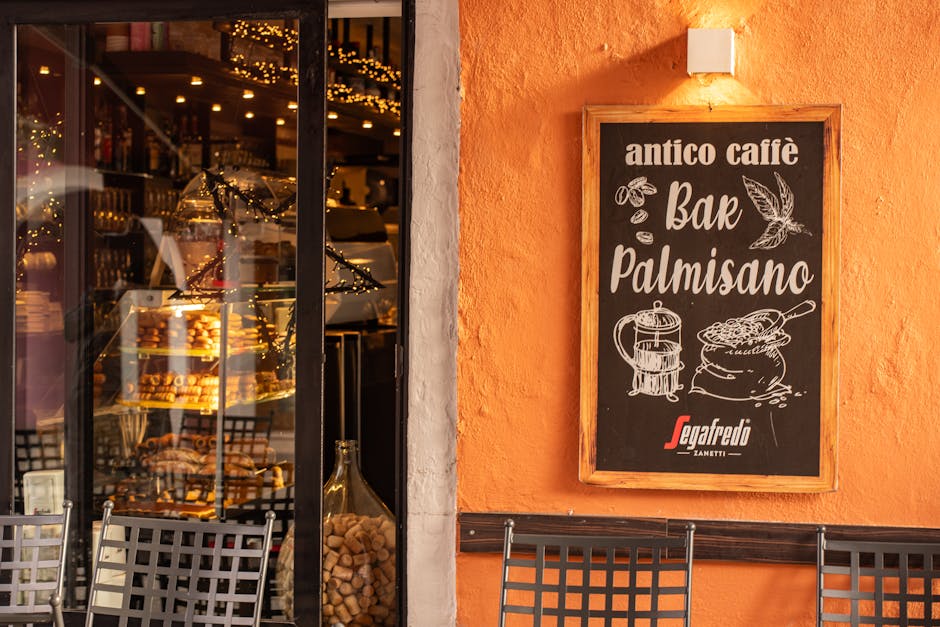
Alongside the grand institutions, more modest but equally historic cafes have shaped everyday life in Padua: small torrefazioni (roasteries) that have kept artisanal roasting alive, pasticcerie still making family recipes, and neighborhood bars that remain unchanged social hubs. These places keep archives of recipes and objects (old espresso machines, scales, posters) that tell the passage of time. The furniture — marble tables, wooden chairs, lithographed posters — often acts as a living index of the city’s economic and cultural history.
Cafes have also been catalysts for innovation: the introduction of espresso machines in the first half of the 20th century, the blend of pastry tradition and modern creativity in the 1980s–2000s, and more recently a revival around specialty coffee culture with micro-lots and slow brewing methods. Today, visiting Padua’s historic cafes is like following a flavor timeline — from the simple, energizing drink of medieval students to single-origin coffees roasted to order.
Must-see Cafes
Padua offers several unmissable addresses — each with its own character. Here’s an immersive selection of historic cafes with exact addresses, suggested opening hours, indicative prices and tips to make the most of each visit.
-
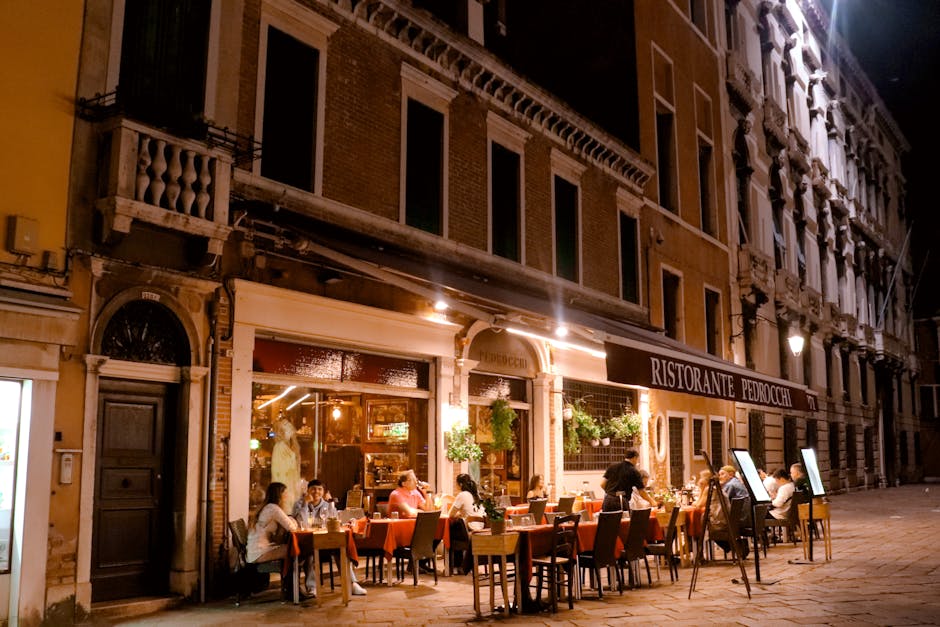
Caffè Pedrocchi — Via VIII Febbraio 15, 35122 Padova PD
Hours: open daily 8:00–19:30. Indicative prices: espresso €1.50; cappuccino €2.50; light lunch €8–15.
Description: A neoclassical monument that became a cultural salon. Inside, admire the Sala Verde, the marble counter and the collection of historical objects. Formal service, a menu of elaborate pastries and small plates. Tips: reserve a window seat to watch Via VIII Febbraio and avoid the midday rush. Don’t miss the museum and the local product shop (bagged beans, confectionery).
-
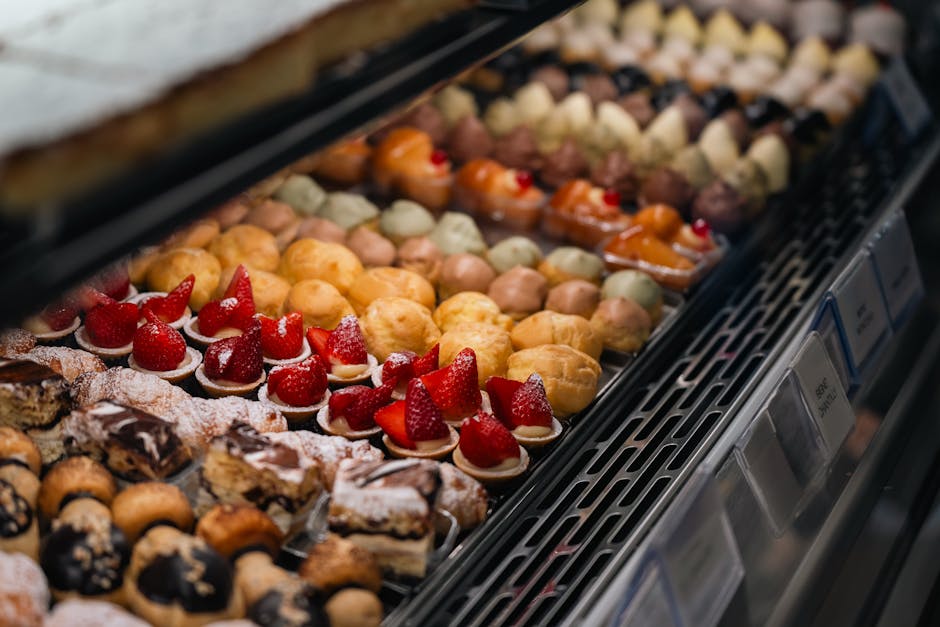
Pasticceria Biasetto — Via Francesco Maffei 24, 35131 Padova PD
Hours: Tuesday–Sunday 7:30–20:00, closed Monday. Indicative prices: cornetto €1.80–2.50; plated desserts from €4.50; celebration cakes €30–60 (depending on size).
Description: Home of the renowned pastry chef Renato Biasetto, known for modern creations rooted in Venetian tradition. A display of refined pastries, chocolates and signature cakes. Tips: try the pastry of the day and ask staff for a recommended coffee pairing — they’re happy to explain ingredient origins.
-
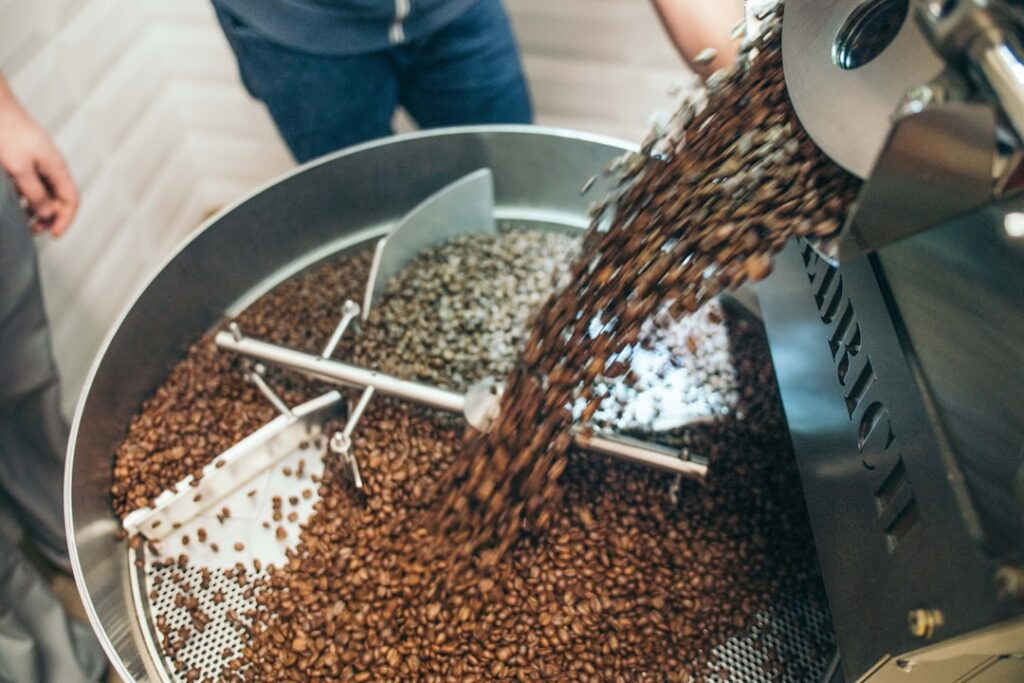
Torrefazione La Rossa — Via dei Vescovado 10, 35139 Padova PD
Hours: Monday–Saturday 8:00–19:00, Sunday 9:00–13:00. Indicative prices: espresso €1.20; sack of roasted beans €7–18 (250g–1kg).
Description: A small artisanal roastery where you can watch beans being roasted in front of you. Friendly atmosphere, intense aromas of freshly roasted beans. Ideal for buying house blends or a unique micro-lot. Tips: if you’re a coffee enthusiast, ask for an informal cupping and grind recommendations for your brewer.
-
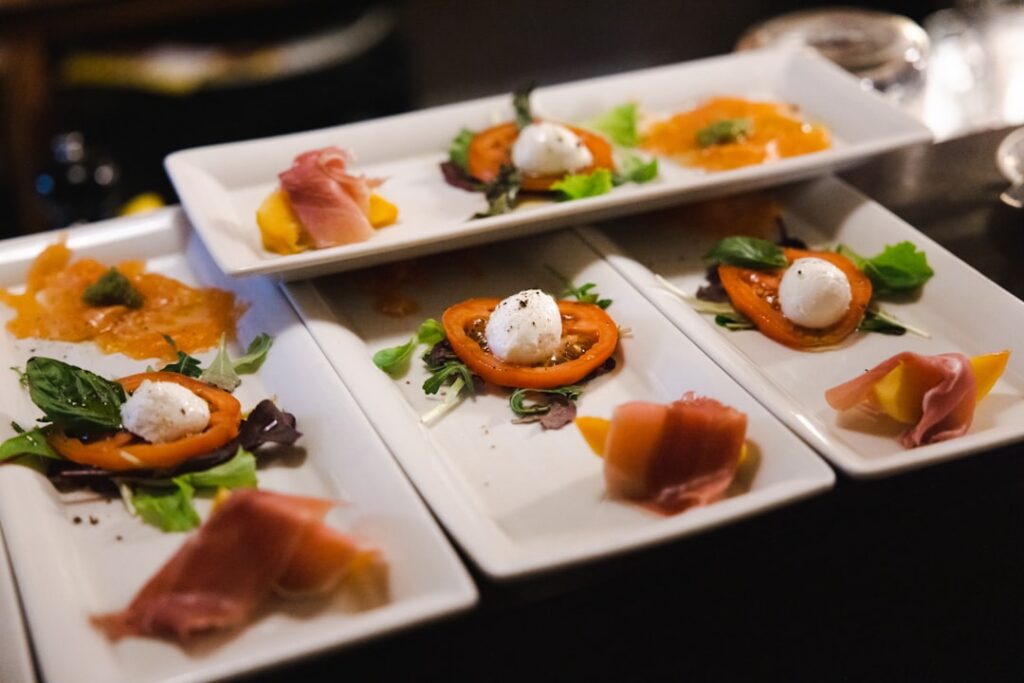
Caffè Pedrocchi Bistrot (annex) — Via VIII Febbraio 15, 35122 Padova PD
Hours: 10:00–22:00 (times may vary for events). Indicative prices: shared plates €8–16; cheese boards €12–18.
Description: The modern annex of the famous café, perfect for an aperitivo or a light meal after cultural visits. The vibe is more relaxed than the historic salon, with background music and a menu designed to pair with local wines and specialty coffees. Tips: ideal for a late-afternoon break before the theater or a concert in town.
-
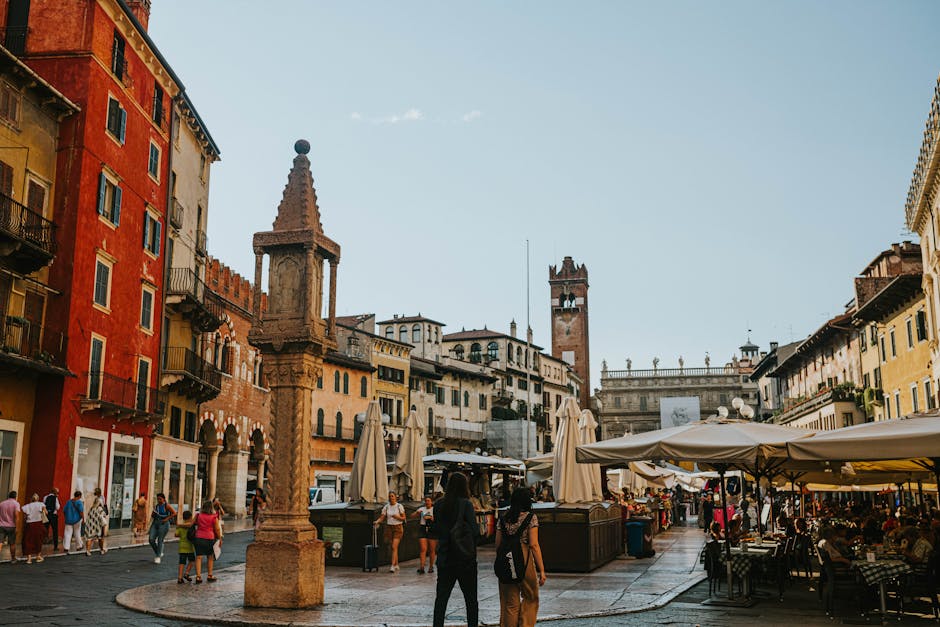
Bar Marchi — Piazza delle Erbe 6, 35139 Padova PD
Hours: 7:00–21:00 daily. Indicative prices: espresso €1.10; panino €3–6.
Description: Located on the lively Piazza delle Erbe, Bar Marchi is a local institution. An old counter, local press and a diverse clientele. It’s an excellent spot to watch everyday Padua life — from market vendors to hurried students. Tips: for the authentic local rhythm, order standing at the counter; terrace service is often pricier.
Important note: hours and prices listed above are indicative and may change with the season, public holidays and local events. It’s always best to check official sites or call ahead before you go.
Click here to discover the market at the osteria with tastings and wine
Click here to join a gastronomic and cultural walking tour
Flavors and Specialties: From Caffè all’Italiana to Padua Sweets
The menu across Padua’s historic cafes mixes Italian classics and local creations. Knowing the main drinks will help you choose and enjoy your break like a local:
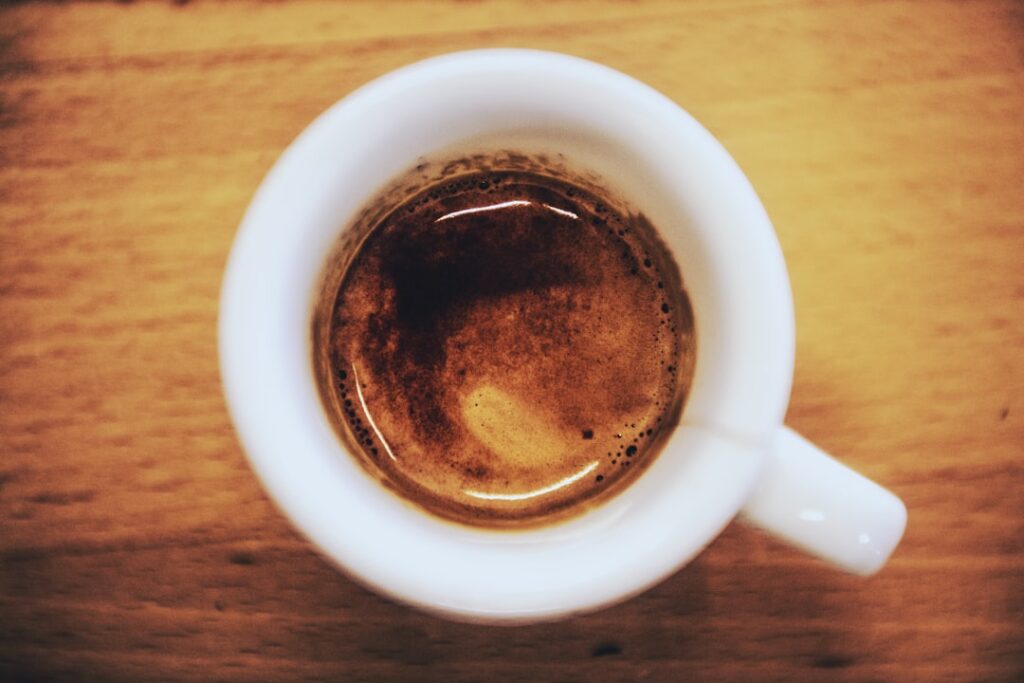
- Espresso (caffè): small, intense, traditionally consumed standing at the counter. Average price in Padua: €1.00–1.80.
- Cappuccino: thick milk foam, typically reserved for breakfast by most Italians. Average price: €1.80–3.00.
- Caffè corretto: espresso “corrected” with a drop of liqueur (grappa, sambuca). Price: €2.00–4.00 depending on the liqueur.
- Affogato al caffè: vanilla ice cream “drowned” in hot espresso — a must after lunch. Price: €3.50–6.00.
Pastries and local specialties round out the offer. In Padua you’ll find cornetti (Italian croissants), bignè, pasticciotti, as well as more sophisticated creations by contemporary pastry chefs. For example, a signature pastry like the “dolce alla crema” or an almond-and-citrus entremet can cost between €3.50 and €6.00.
Tasting tips:
- Start the day with a cappuccino and a cornetto at a table if you want to linger; if you’re in a hurry, order an espresso standing at the counter (« al banco ») for a local and more economical experience.
- For a cultural experience, ask if the café offers a « storica » (historic) pastry or a house recipe — these items often tell a family or local story.
- If you enjoy specialty coffee, look for roasteries or cafes that list bean origins (Colombia, Ethiopia, Yirgacheffe, etc.) and brewing methods (V60, Chemex, Aeropress). They often offer tastings and explanations about roasting.
Caffeinated Itinerary and Practical Tips for a Successful Stroll
Here’s a half-day itinerary (about 3–4 hours) to discover some of Padua’s historic cafes at a leisurely pace, plus practical tips to optimize the experience.
Suggested itinerary:
- Morning start: begin with a cappuccino and a cornetto at Bar Marchi, Piazza delle Erbe 6 (7:00–21:00). Enjoy the morning market buzz. Price: €1.10–2.50.
- 10–15 minute walk to Caffè Pedrocchi, Via VIII Febbraio 15. Visit the historic room, have an espresso and explore the pastry menu. Hours: 8:00–19:30. Price: espresso €1.50; pastry €3.50–6.00.
- A short cultural detour: visit the Basilica di Sant’Antonio (Piazza del Santo) then stop at Pasticceria Biasetto, Via Francesco Maffei 24 for a sweet treat after the visit (open 7:30–20:00, closed Monday).
- Finish at Torrefazione La Rossa (Via dei Vescovado 10) to buy freshly roasted beans and watch a short roasting demonstration. Closed Sunday afternoon; hours: 8:00–19:00.
Local practical tips:
- Hours: most cafes open early (7:00–8:00) and close between 19:00 and 21:00. Major cultural institutions and some bistros may stay open later on event nights.
- Reservations: for popular historic salons like Caffè Pedrocchi, it’s wise to check hours and reserve a table for lunch and aperitivo, especially in high season.
- Counter etiquette: order “al banco” to drink standing (cheaper) or ask for “al tavolo” for table service (a surcharge may apply). Tips aren’t mandatory but rounding up the bill is appreciated.
- Avoid asking for excessive modifications (complicated plant milk, sugar on the side) in very traditional places — opt for a modern cafe if you have specific requests.
- Language: Italian is the common language; many young staff speak basic English. A simple “grazie” and “per favore” open doors everywhere.
- Payment: cash and cards are accepted, but small pasticcerie or market vendors may prefer cash for tiny purchases.
Click here to book a 2.5-hour walking tour of Padua
Conclusion: Savoring Padua Between History and Modernity
Padua’s historic cafes represent a precious intangible heritage: they tell stories of learning, friendships, political engagement and culinary trends. Strolling through these places, you’ll experience a city that blends its university past and gastronomic traditions with contemporary innovation. Each stop is a sensory lesson — the steaming sound of milk in the espresso machine, the texture of a flaky pastry, the aroma of freshly roasted beans, the clink of cups on porcelain saucers. These are the details that transform a simple pause into a cultural discovery.
For travelers, the goal isn’t just ticking names off a list, but entering these spaces with curiosity: ask about a pastry’s history, chat with the roaster, sit for a moment and watch life go by. The addresses mentioned — Caffè Pedrocchi (Via VIII Febbraio 15), Pasticceria Biasetto (Via Francesco Maffei 24), Torrefazione La Rossa (Via dei Vescovado 10), Bar Marchi (Piazza delle Erbe 6) — are all doors into Padua’s soul. The prices and hours given are useful guides, but remember they can vary; a quick call or glance at official pages will save you uncertainty.
Finally, tailor your visits to the season: winter invites hot coffees and cozy interiors, while summer favors terrace seats under the arcades. If you stay several days, alternate classic stops with specialty coffee experiences to appreciate the modern richness of the coffee scene. Padua lends itself to wandering, and each cafe is a chapter in a larger story — that of a city which, between basilica and university, continues to celebrate conviviality around a cup.