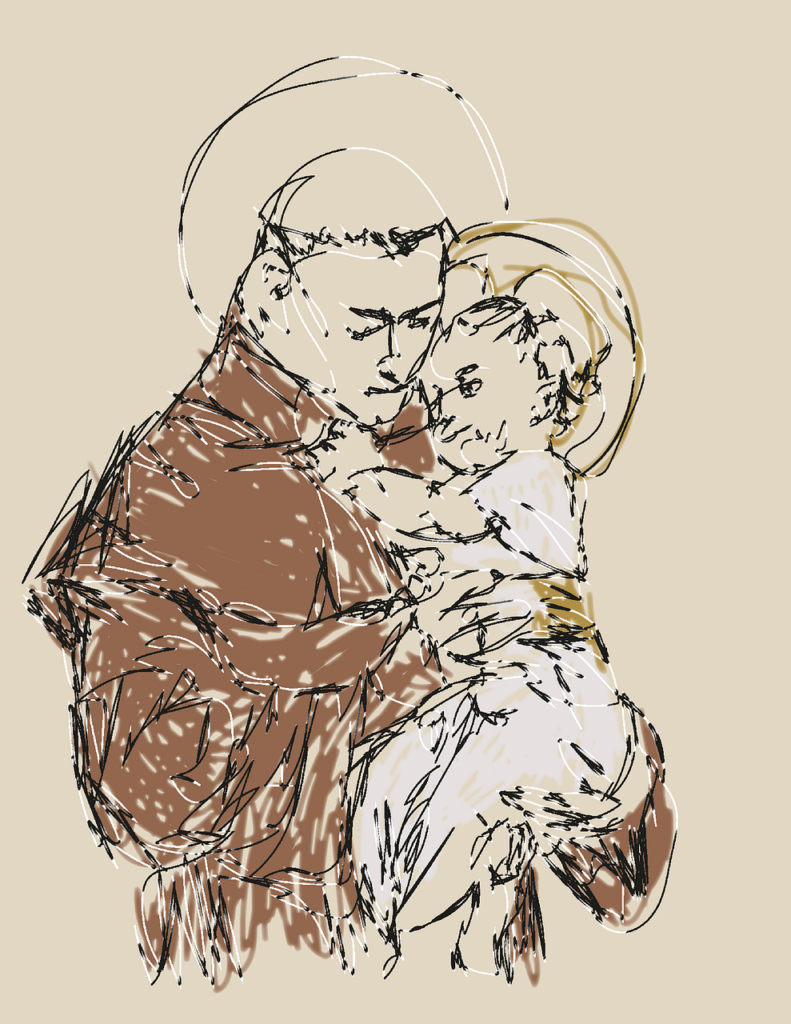






Introduction — A religious route through Padua: an urban pilgrimage of history, art and devotion
Padua (Padova) is a city where centuries-old piety mixes with the artistic exuberance of the Renaissance and Gothic eras. Nestled in the heart of the Veneto region, it has long been a crossroads of spirituality and culture: a medieval university, monastic centers, lay confraternities and sanctuaries all shape the urban fabric. This guide offers a religious route for curious visitors: ten sacred sites not to be missed, all reachable on foot or by short tram/bus rides from the historic center. Each stop includes the exact address, usual opening hours, admission price in euros, an immersive description and local tips to fully enjoy the place, respect its purpose and understand its heritage value.
The aim here is not to be exhaustive but to propose a coherent walk combining major basilicas, decorated chapels, the cathedral and nearby monasteries. The selected sanctuaries and buildings showcase different expressions of the sacred: popular pilgrimage (Basilica di Sant’Antonio), the contemplative silence of cloisters (Abbazia di Praglia), monumental painting within a devotional space (Cappella degli Scrovegni), Catholic liturgy in the cathedral (Cattedrale di Santa Maria Assunta), and small oratories where local devotion still thrives today.
Expect detailed descriptions in this guide: architecture, major artworks, historical anecdotes, best times to visit, practical tips (where to buy tickets, recommended visit length, dress code, accessibility) and local recommendations (nearby cafés, pleasant walking routes, alternatives during busy periods). Prices listed reflect those at the time of writing and may change: use them as practical benchmarks and always double-check online before you travel. Finally, always respect the sacred nature of these places: observe silence, follow rules about photography, dress modestly and behave respectfully to have an authentic experience.
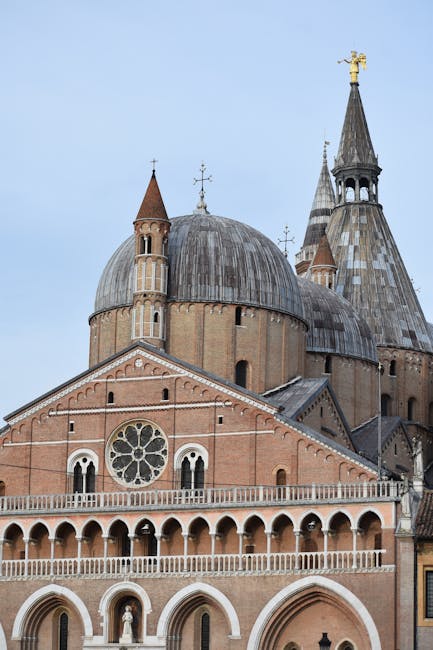
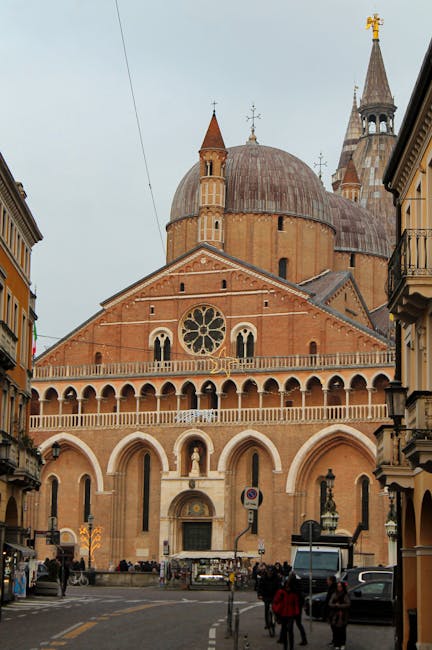
1. Basilica di Sant’Antonio di Padova — Il Santo (Piazza del Santo, the city’s heart)
Address
Basilica di Sant’Antonio di Padova (Basilica del Santo), Piazza del Santo, 11, 35123 Padova PD, Italy.
Opening hours and prices
- Hours: Open every day; generally 6:00–19:00 for access to the chapels and 7:00–18:30 for the basilica itself (liturgical hours vary on holy days). Masses are frequent—check the on-site timetable.
- Price: Main entrance free. Guided access to the treasury and some areas (museum and crypt) costs around €3–€5. Donations are welcome to help with upkeep.
The Basilica di Sant’Antonio, affectionately called “Il Santo” by locals, is one of the main centers of Marian and Antonian devotion. Built from the 13th century to house the relics of Saint Anthony of Padua, it blends Romanesque, Byzantine and Gothic elements, with a complex layout and numerous richly decorated chapels. Inside, the abundance of marble, sculpture and painting creates an atmosphere that is both solemn and intimately devotional. Don’t miss the reliquary chapel and the crypt, where objects connected to the saint’s cult are kept.
Local tip: arrive early to avoid pilgrim crowds and to enjoy the morning quiet. Dress respectfully (covered shoulders, skirts of appropriate length); signs at the entrance outline the rules. For a deeper visit, book the “Tesoro del Santo” (the treasury) and ask for a brochure in English or another language if available. Nearby, stop for a coffee at Caffè Pedrocchi (Piazza Garibaldi) to extend your historical experience after the visit.
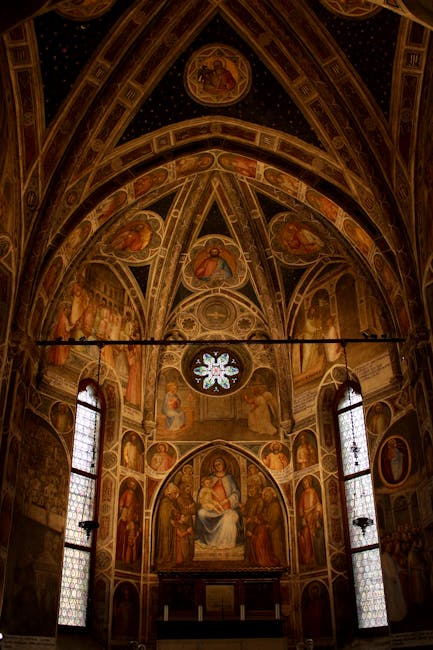
2. Cappella degli Scrovegni — Giotto’s frescoes (Via Antonio Plebiscito, 6)
Address
Cappella degli Scrovegni, Via Antonio Plebiscito, 6, 35139 Padova PD, Italy (part of the Centro Studi e Archivio della Cappella degli Scrovegni complex).
Opening hours and prices
- Hours: Visits by reservation, generally 9:00–18:00 (seasonal variations). Last entry times vary; visits inside the chapel are timed sessions of 15–20 minutes, followed by a visit to the adjoining museum.
- Price: €15 for a standard ticket (indicative price including the timed entry). Online booking is strongly recommended. Reduced rates often apply for students/young visitors—check for current offers.
The Cappella degli Scrovegni houses one of the most famous cycles of frescoes in Western art history: Giotto’s series painted in the early 14th century. Conceived as a private devotional space, the chapel presents a pictorial narrative covering the walls and ceiling, recounting biblical episodes with a fresh expressiveness and emotional power that were revolutionary for their time. The effect is particularly powerful because of the chapel’s intimate scale and the vivid chromatic quality of the panels—this is a meditative encounter rather than a quick tourist stop.
Practical advice: the chapel enforces a controlled flow to preserve the frescoes (limited time inside). Arrive about 30 minutes before your slot to view the museum’s model and explanatory panels. Avoid large bags; a cloakroom is available. The site is close to the Prato della Valle—combine both for a harmonious walk. Photography inside the chapel is generally prohibited: please follow the rules.
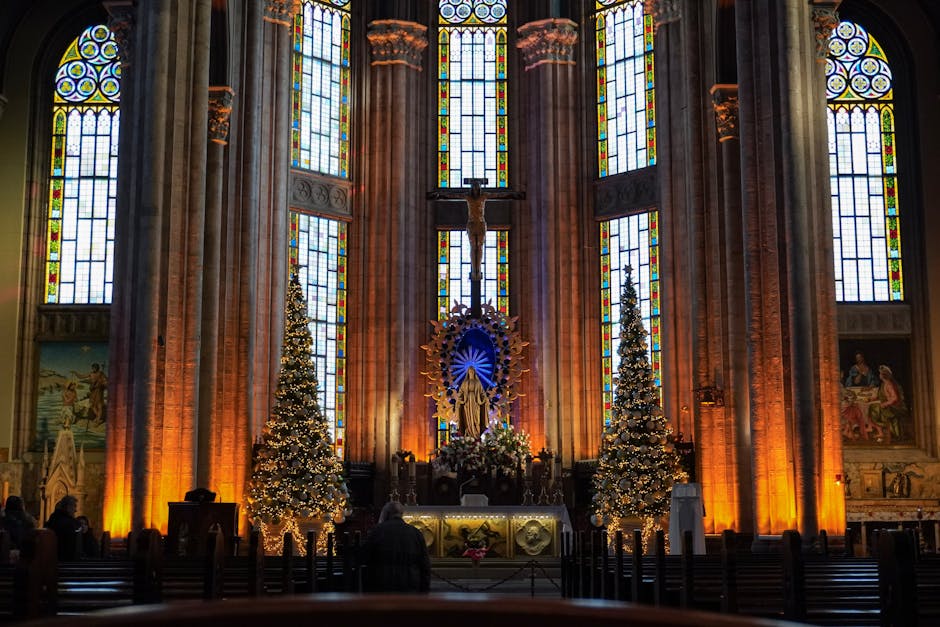
3. Cattedrale di Santa Maria Assunta (Padua Cathedral) — The liturgical heart (Piazza del Duomo)
Address
Cattedrale di Santa Maria Assunta, Piazza del Duomo, 35122 Padova PD, Italy.
Opening hours and prices
- Hours: The cathedral is open to worshippers and visitors, with daily Mass; general opening usually 8:00–18:00 (hours may change for religious events).
- Price: Free admission to the cathedral. Some adjacent spaces (diocesan museum, if present) may charge around €3–€6.
Padua’s cathedral (the Duomo) is the city’s liturgical center, hosting diocesan ceremonies and solemn services. Its façade, often less ornate than some other basilicas, conceals sober interior volumes and side chapels filled with religious art. The atmosphere inside tends to be more contemplative than touristy, and the architecture reveals layers of history: later reconstructions, Renaissance chapels and Baroque altarpieces.
Local tip: attend a Sunday Mass to get a sense of parish life. If you enjoy organ music or choral liturgy, check for organ concerts or local choir performances often posted at the entrance. For archaeological interest, ask the parish office about the baptistery and any crypts. The area around the cathedral has religious bookstores and workshops specializing in iconography.
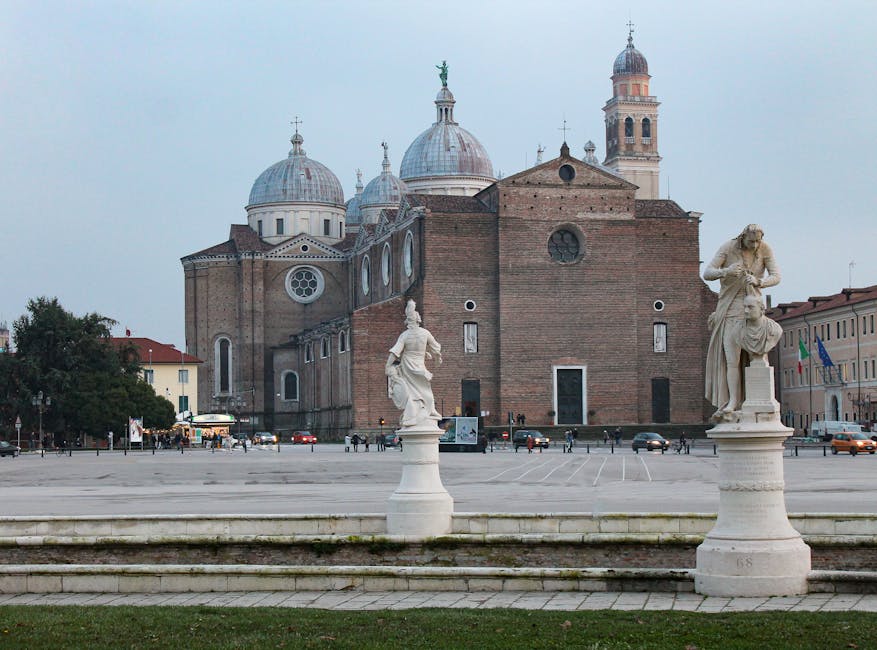
4. Basilica di Santa Giustina — A spiritual monolith and its cloister (Piazza Santa Giustina)
Address
Basilica di Santa Giustina, Piazza Santa Giustina, 35123 Padova PD, Italy.
Opening hours and prices
- Hours: General opening 7:30–18:00; regular liturgical hours apply (confirm during liturgical holidays).
- Price: Free entry; guided visits of the complex and cloister are sometimes offered from €4–€8.
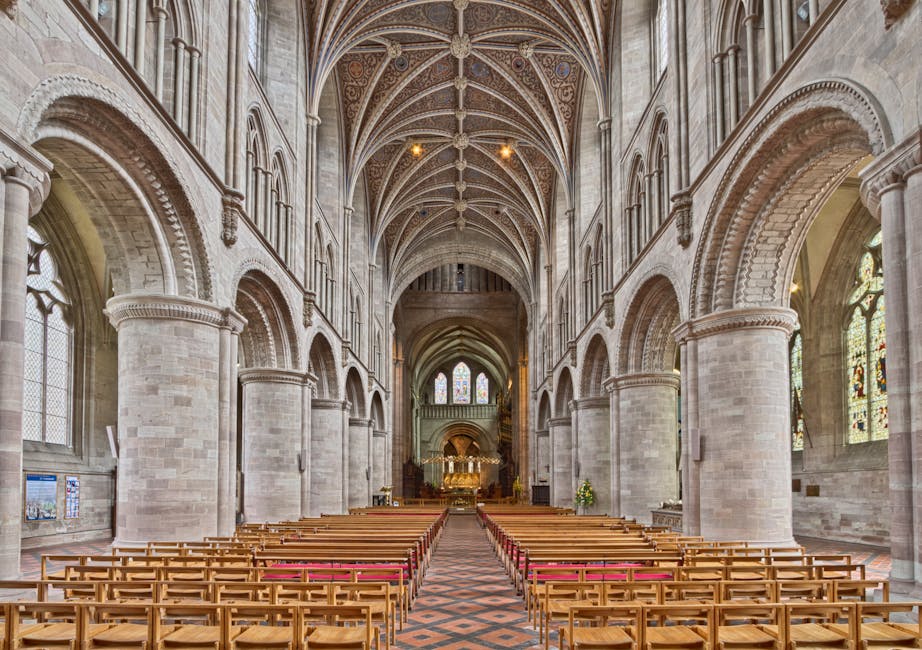
Santa Giustina stands within a large complex of monasteries and cloisters, its imposing Baroque and neoclassical volume dominating the western part of the historic center. Less famous than “Il Santo” but no less significant, the basilica retains a monastic spirit: long naves, side chapels, expansive vaults and a peaceful cloister. The cloister and convent museum provide valuable insights into monastic life, manuscripts and liturgical objects.
Local tip: take time to enjoy the cloister’s quiet—its garden is a great spot for reading or reflection. On some Wednesday mornings you might hear sung offices by the religious community. If you’re interested in relics and sacred architecture, ask the sacristan or parish for a guided visit; they often offer detailed commentary.
5. Chiesa degli Eremitani — A memory of sacred painting (Piazza Eremitani, 6)
Address
Chiesa degli Eremitani, Piazza Eremitani, 6, 35121 Padova PD, Italy.
Opening hours and prices
- Hours: Generally open 9:00–17:30 (may vary depending on exhibitions or conservation work).
- Price: Free entry to the religious building; access to exhibitions or adjacent museum spaces depends on programming and may cost €3–€10.
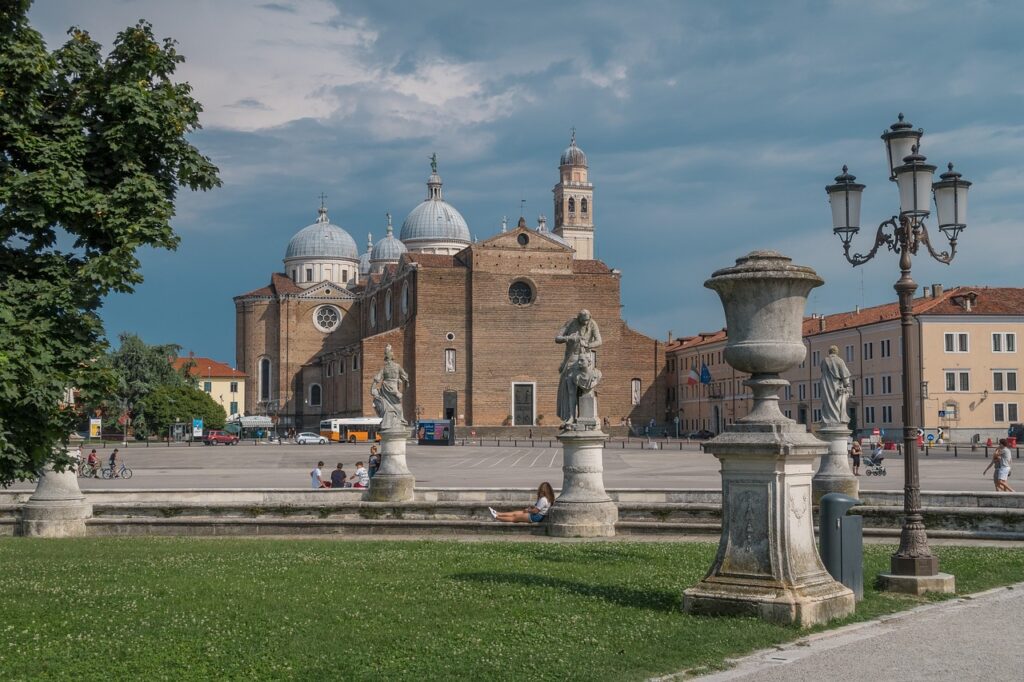
The Chiesa degli Eremitani is renowned for its link to Padua’s great pictorial tradition: once adorned with major frescoes (including works by Mantegna), it still retains a powerful artistic legacy despite losses over the centuries. The church, with its cloister and chapels, offers a sensitive reading of the evolution of sacred style from late Gothic to the Renaissance.
Tips: visit the chapels and study the informational panels that help reconstruct the church’s former richness. Pair this visit with the adjacent Civic Museum and a stroll around Piazza Eremitani; by night the illuminated façade reveals another side of the building. Check whether themed guided tours (on sacred art history) are scheduled.
6. Oratorio di San Giorgio — A private chapel and its frescoes (Via San Giorgio, historic center)
Address
Oratorio di San Giorgio, Via San Giorgio (historic center), Padova. (Check entry via the local heritage circuit)
Opening hours and prices
- Hours: Access depends on cultural schedules and guided visits; often open 10:00–17:00 on exhibition days.
- Price: Admission varies by event, typically €3–€7.
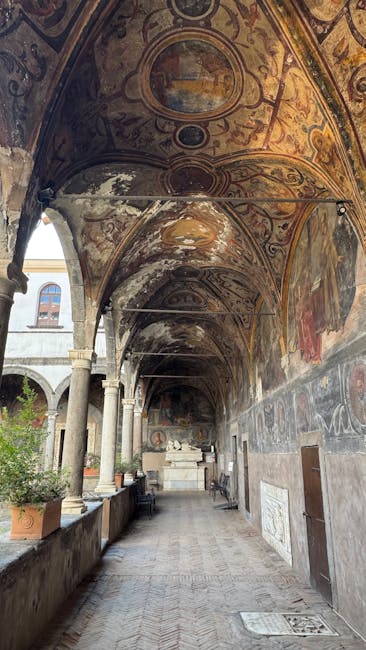
Padua’s oratories are more intimate devotional spaces than the grand basilicas: private meeting places for confraternities or municipal chapels decorated with fresco cycles and altarpieces. When open, the Oratorio di San Giorgio reveals quiet moments of artistic silence where popular devotion is readable in the details of painted scenes and devotional inscriptions. These spots are invaluable for understanding everyday piety of Padua’s past.
Practical tip: check with tourist offices for opening slots—these small places are often included in themed routes and may require booking. Keep quiet and avoid flash photography. If you arrive during a local celebration, ask permission before entering.
7. Abbazia di Praglia — Monastic life and Gregorian chant (Via Abbazia 4, Teolo, Padua province)
Address
Abbazia di Praglia (Monastero di Praglia), Via Abbazia, 4, 35020 Teolo (PD), Italy. About 15–20 km from the center of Padua, reachable by car or local shuttle.
Opening hours and prices
- Hours: The abbey welcomes visitors; the church is usually open 8:00–17:30. Monastic offices follow the monks’ schedule (matins, lauds, vespers).
- Price: Free entry to the church; guided visits of the monastery and monastic museum cost around €5–€10. Accommodation in the monastic guesthouse varies—ask for current rates.
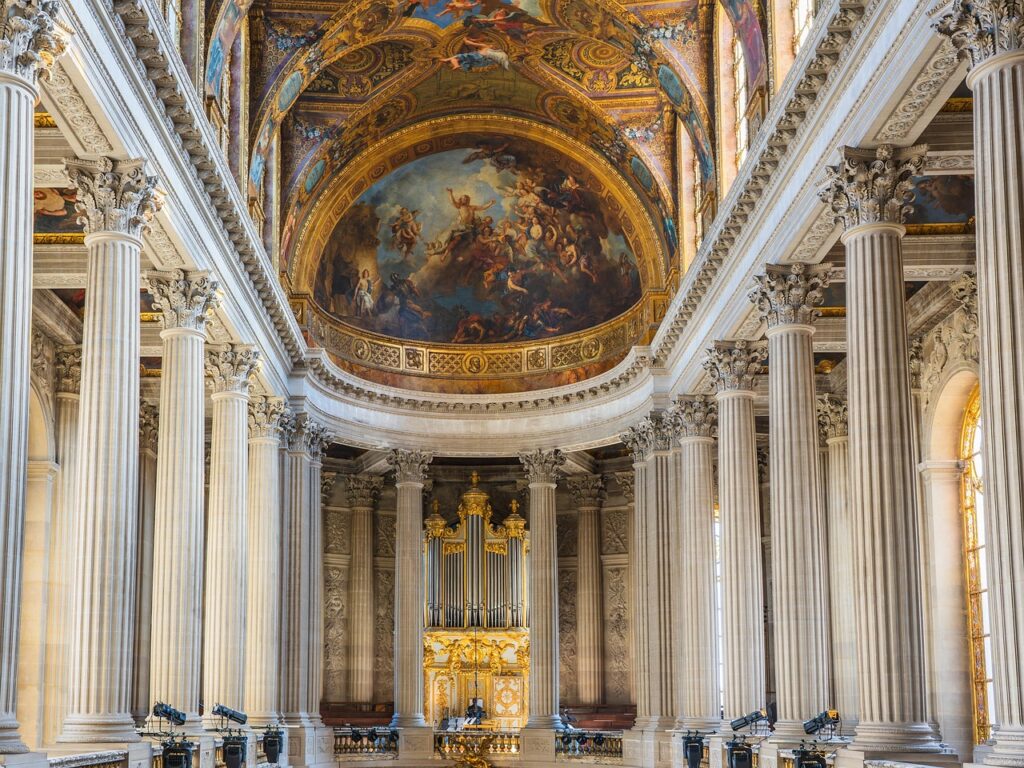
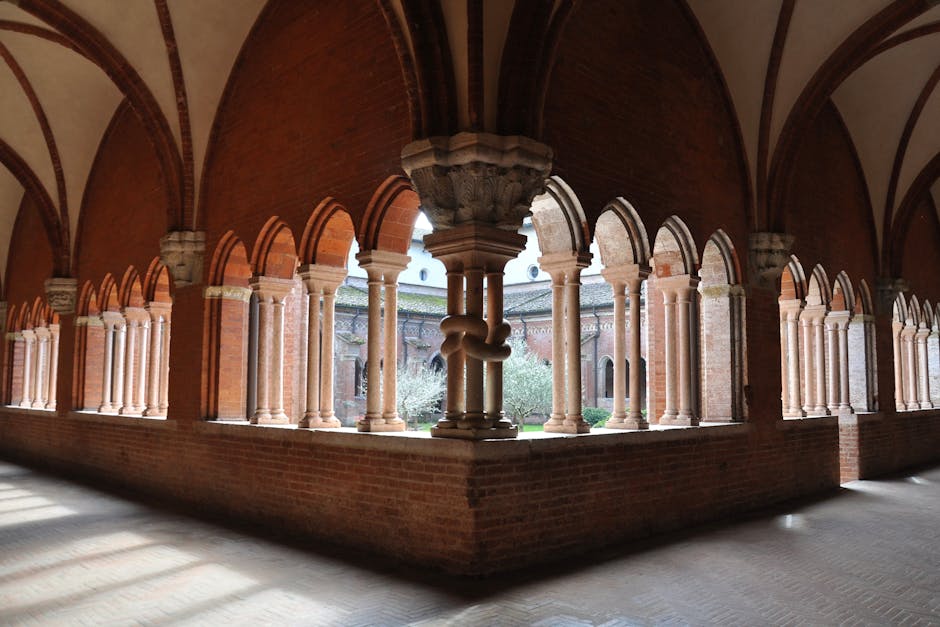
Abbazia di Praglia is a spiritual retreat outside the city: a Benedictine monastery on the hills offering a real insight into an active monastic life. The cloister architecture, the library with ancient manuscripts and the sung liturgy make it a place of silence and beauty. For modern pilgrims, visits can include discreet participation in offices or a short retreat.
Local tip: allow 2–3 hours for the round trip and visit. Check whether you need to reserve to attend offices or stay overnight. Monastic products (liqueurs, preserves, books) are often sold at reception—buying them helps support the community. Photograph respectfully in public areas and avoid entering spaces reserved exclusively for the monks.
8. Santuario di Sant’Antonio — Reliquary areas and side chapels: intimate devotions (annex areas of “Il Santo”)
Address
Santuario and associated devotional areas, Piazza del Santo, annex areas, 35123 Padova PD, Italy.
Opening hours and prices
- Hours: Access to annexes and side chapels follows the basilica’s general opening; annex museums have their own opening times (see section 1).
- Price: Some chapels and treasures may require a small entrance fee of €2–€6.
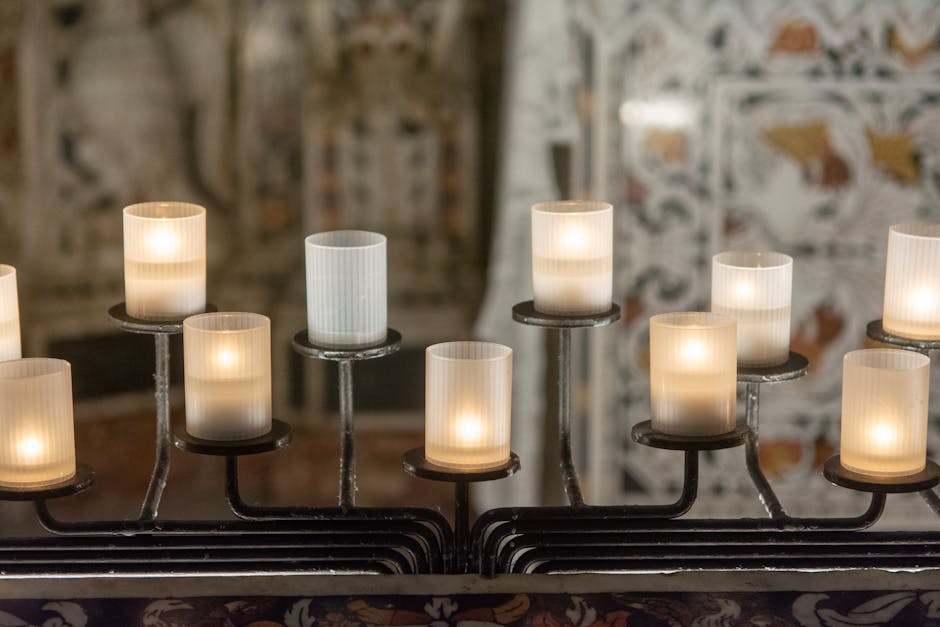
Beyond the grand nave, the Basilica di Sant’Antonio contains annex spaces where devotional life shows itself in more intimate ways: small chapels dedicated to confraternities, funerary chapels and prayer rooms for pilgrims. These corners reveal local devotional practices—ex-votos, silent prayers, lit candles—and are essential to understanding the basilica as a living place, not just a museum.
Tip: don’t skip these areas—they often foster human encounters with volunteers, local guides and priests willing to offer a quick blessing. If you need a quiet moment, look for the “Cappella delle Reliquie” or a secluded spot in the cloister. Volunteers can point out confession times and services for pilgrims.
9. Santuario di San Leopoldo Mandic / sites dedicated to local saints (urban pilgrimage spots)
Address
Santuari and places of worship linked to local saints — scattered across the city; main information point: Tourist Information Office, Piazza dei Signori, Padova.
Opening hours and prices
- Hours: Vary by sanctuary; most open in the morning and late afternoon.
- Price: Free entry to most urban sanctuaries; donations and offerings are possible.
Padua venerates several local saints and blessed figures, and these small devotional sites—chapels, oratories, minor basilicas—form a network of popular piety. San Leopoldo Mandić, for instance, is celebrated in a number of parishes and sanctuaries around Padua: checking with the tourist office will help you find exact locations, concerts of sacred music, temporary exhibitions and thematic pilgrimage routes.
Practical tip: for a themed guided visit (local saints, miracle routes, ex-voto trails) contact Padua’s tourist office or a local guide specializing in devotional sites. These circuits are perfect for travelers who want to understand everyday spirituality and contemporary devotional practices beyond the major monuments.
10. Outlying routes: rural sanctuaries and chapels around Padua
Address
Out-of-town route — rural sanctuaries and chapels: for example, Santuario della Madonna del Pilastrello (Monselice) — Via del Santuario, 1, 35043 Monselice PD (verify each stop).
Opening hours and prices
- Hours: Rural sanctuaries usually open early (around 8:00) and close late afternoon (17:00–18:00); many host processions and patronal festivals throughout the year.
- Price: Free entry; voluntary donations for maintenance are common.
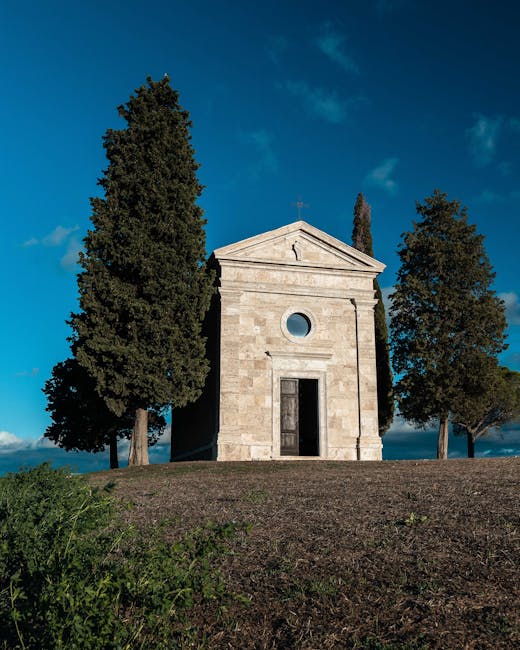
Beyond the urban core, the hills and nearby towns of Padua host sanctuaries and chapels that have been local places of devotion for centuries. Visiting these sites offers insight into rural piety, seasonal celebrations and the transmission of folk traditions: processions in traditional costume, agricultural offerings and patron saint feasts that seasonally shape religious life.
Tips: plan these visits by car or on an organized excursion; many tours include a stop at Abbazia di Praglia, Santuario della Madonna del Pilastrello and small Romanesque churches scattered through the province. Check local feast days—attending a procession can be the most vivid experience of a spiritual stay in the area.
Conclusion — How to plan your religious route in Padua
Padua is best discovered by balancing respect for liturgical rhythm with cultural curiosity. To plan your religious route, decide what you want most: to admire masterpieces (Cappella degli Scrovegni), experience liturgical moments (the Duomo, Il Santo), or immerse yourself in monastic life (Abbazia di Praglia)? Allow at least half a day for Sant’Antonio plus its annexes, half a day for the Cappella degli Scrovegni (booking essential), and a morning for the Duomo and Santa Giustina. Add a half-day excursion to the abbey or nearby sanctuaries if you have a car or want a countryside break.
Final practical tips: always verify opening hours and prices online before you go; many places offer audio guides or guided tours in foreign languages. Follow the rules: no photos where prohibited, dress modestly, and keep silent in prayer areas. If walking, wear comfortable shoes—the cobbled streets and cloisters demand attentive steps. For a deeper experience, hire a local guide specialized in religious art: they’ll connect the works to liturgy and Padua’s social history.
Finally, enjoy breaks to savor local food near sacred spots: a coffee at Pedrocchi, a light lunch near the Prato della Valle, or monastic products (jams, liqueurs) from Abbazia di Praglia to prolong the sensory journey. This circuit of ten sacred sites will give you a full reading of Padua’s spirituality—where art, living history and contemporary devotion come together—a mosaic that makes Padua a city where the sacred is still lived every day.