





Introduction
The Padua Botanical Garden — the Orto Botanico di Padova — is both a site of centuries-old scientific practice and a peaceful, poetic oasis tucked into the heart of this university city. Established in 1545 by the Università degli Studi di Padova, it’s widely regarded as the oldest academic botanical garden still preserved on its original site; a UNESCO World Heritage Site, it embodies a history where observation of living things and hands-on teaching have met since the Renaissance. Passing through the garden gate, you immediately feel the balance between scientific rigor and contemplative calm: shaded walks, historic greenhouses, reflective pools and collections laid out according to medicinal, economic and systematic principles. That dual nature — structured science and the poetry of life — makes the Orto a rare place where you can learn the history of botany while letting the living landscape move you.
For travelers — whether you’re a plant enthusiast, a student, a photographer or someone simply searching for quiet — the garden offers multiple layers to enjoy. Educationally, it illustrates the evolution of medical and pharmacological practices in Europe, with paths dedicated to medicinal plants and historic herbaria available on request. Aesthetically, the views are framed by ancient walls, courtyards and pools where light plays across leaves — ideal for a reflective pause. The site also sits at a cultural crossroads: adjacent to the Basilica di Sant’Antonio, Prato della Valle and the University of Padua, it fits neatly into a broader heritage itinerary.
In this article I’ll take you on a full immersion: a historical and scientific overview, a detailed tour of the garden’s areas — greenhouses, the water basin, the cloister and its collections — practical info (exact address, prices in euros, opening hours, visiting tips) and suggested routes combining the garden with other Padua landmarks. You’ll also find local recommendations to get the most out of your visit depending on the season, how to avoid the crowds, where to take the best photos and nearby spots worth stopping at after your botanical walk. The aim is to make your future visit not only informative but also emotionally rich so you can see, feel and understand why the Orto Botanico di Padova remains a place where science meets poetry.
History and scientific mission of the Orto Botanico di Padova
The story of the Orto Botanico di Padova is closely linked to the rise of medical education in Europe. Founded in 1545 by university physicians and professors, the garden originally served a practical need: to grow medicinal plants so medical students could learn the pharmacopoeia of the time. Today its role has expanded: it remains a center for teaching and research, but also functions as a conservatory of species, a network for scientific exchange and a tool to raise awareness about biodiversity. The Università degli Studi di Padova still manages the site, maintaining living collections and running research projects in taxonomy, phytochemistry and conservation.
Originally structured with square beds inspired by the Italian model of medicinal gardens, the Orto has kept remarkable heritage elements: walls, ancient gates, historic greenhouses and an herbarium rich in dried specimens. These features make the continuity between old knowledge and contemporary practice visible. The scientific collections are organized into several themes: medicinal plants, economic plants (used for fiber, dyes and food), exotic plants (introduced by explorers and botanists) and zones dedicated to taxonomy that illustrate phylogenetic diversity.
On a visit you’ll often spot botanists and students at work, measuring, labeling and taking samples for field studies. Informational panels explain plant classification and the history of their uses. The garden also hosts temporary exhibitions and lectures, sometimes in collaboration with the Museo di Storia Naturale di Venezia and other Italian institutions. This academic vocation goes hand in hand with a commitment to preservation: the Orto takes part in programs to safeguard threatened species and in international seed exchange initiatives.
Layout, areas and collections: get pleasantly lost to learn more
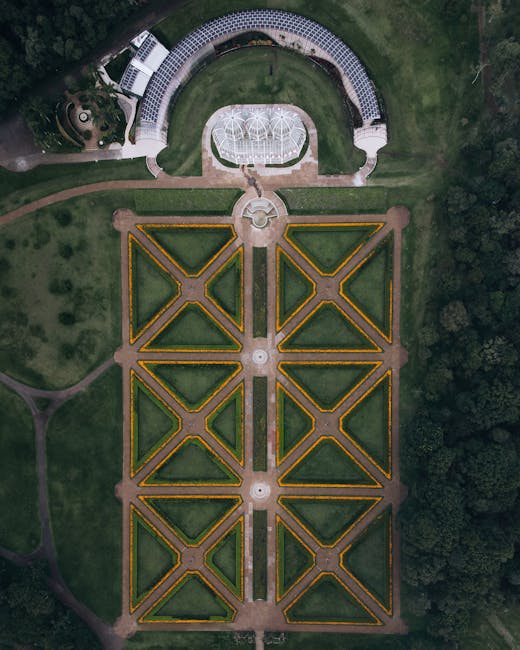
The Orto Botanico di Padova, located at Via Orto Botanico 15, 35123 Padova PD, unfolds over a space that combines formal beds, pools, greenhouses and more natural zones. The garden’s layout reads like a living textbook: radial paths and themed compartments let visitors follow an educational route on foot. The historic core features square beds framed by low borders that once housed medicinal plants arranged by therapeutic use. Botanical labels — in Latin and Italian — provide the scientific name, family, distribution and traditional uses of each plant.
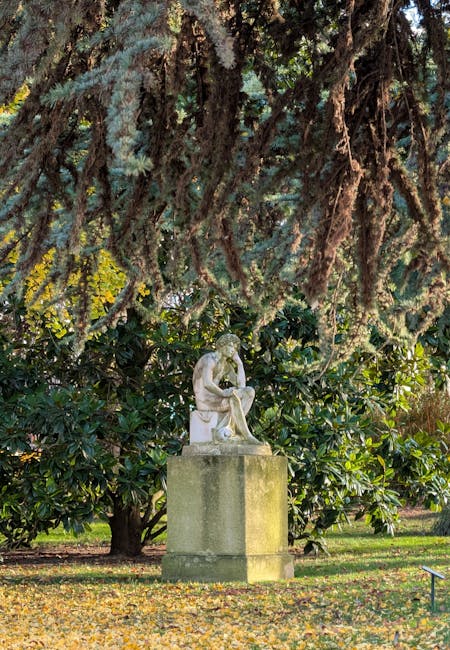
The greenhouses, some decades old, shelter collections that need controlled environments: tropical plants, succulents and rare ferns. The main greenhouse offers a warm, humid immersion, perfect for studying textured leaves, exotic inflorescences and surprising pollination mechanisms. The garden also includes a central pond where water plants and waterlilies create reflective patterns; the water supports a microfauna that enriches the sensory experience. In shaded corners, centuries-old trees — sometimes marked with plaques showing the planting year — add verticality to the site.
Among the notable collections are the medicinal plants section, the economic plants collection, the Mediterranean species area and the rare trees collection. The Orto also houses a historic herbarium available by appointment and teaching materials once used by the medical faculty. For photographers, early morning and late-afternoon light produces beautiful shadow-and-light compositions. The information panels, garden furniture and stone benches reinforce the impression of a space that is both scholarly and intimate.
Practical information: address, hours, prices and visiting tips
Exact address: Orto Botanico di Padova (Botanical Garden of Padua), Via Orto Botanico, 15, 35123 Padova PD, Italy. The garden is run by the Università degli Studi di Padova and is just a few minutes on foot from the Basilica di Sant’Antonio (Piazza del Santo, 35123 Padova) and Prato della Valle (Piazza Eremitani area). To get there: trams and city buses serve the historic center; the main station, Stazione di Padova (Piazza della Stazione, 35122 Padova), is around 20–25 minutes on foot or about 10 minutes by bus or taxi.
Opening hours (subject to change — check the official site before you go): generally the Orto opens early for morning visits — indicative hours: 09:00–19:00 in high season (April–September) and 09:30–16:30 in low season (October–March). Closures can occur for events, university holidays or maintenance. It’s strongly recommended to arrive in the morning to avoid summer heat and crowds, and to enjoy the best light for photography.
Entrance fees (indicative — confirm before visiting): adult ticket ≈ €6.00, reduced ≈ €4.00 for students and seniors, free entry sometimes available for children under 6 and certain categories (University of Padua students, local cultural card holders). Group rates and paid guided tours are occasionally offered — guided tours can cost between €50 and €100 for a group depending on duration and language. Check online ticketing for precise times and guided tour reservations.
Local practical tips:
- Booking: for groups and guided tours, reserve in advance via the Università di Padova’s official site or by phone.
- Accessibility: the garden has paved paths and shaded areas; some historic sections may be uneven — wheelchair access is partial, so inquire about recommended routes.
- Gear: bring water, a hat in summer and sturdy walking shoes. A pocket botanical lens or small hand lens will enhance your observation of leaves and blooms.
- Photography: no flash inside the greenhouses; respect the signs and don’t pick or touch the plants.
- Combine the visit: use the same morning to visit the Basilica di Sant’Antonio (Piazza del Santo, 35123 Padova) or Prato della Valle (Piazza Matteotti/Prato della Valle).
Around the garden: routes and nearby monuments to pair with your visit
The Orto Botanico is within easy walking distance of several Padua must-sees, making it a great central stop for a day of sightseeing. A short walk will take you to the Basilica di Sant’Antonio (Piazza del Santo, 35123 Padova) — a pilgrimage site and a Baroque masterpiece whose façade and domes are worth exploring. Allow roughly 10 minutes on foot from the garden to the basilica. Prato della Valle, one of Europe’s largest squares (Piazza Matteotti, 35122 Padova), offers a vast green area with a central island and a statue-lined canal — ideal for a stroll after the quiet of the garden.
For lovers of academic history, Palazzo del Bo (Via 8 Febbraio, 2, 35122 Padova), the historic seat of the University of Padua, is about a 15–20 minute walk away. The Palazzo del Bo contains ancient lecture halls where figures like Galileo Galilei taught. A recommended route: start at the Orto Botanico at sunrise, head to the Basilica di Sant’Antonio, cross over to Prato della Valle for a coffee break, and finish in the Centro Storico wandering under the arcades and shops.
Nearby restaurants and cafés: for a tasty break try the small osterie around Via San Francesco and Via del Santo that serve Venetian and Paduan specialties — polenta, risotto and baccalà mantecato. Practical tip: book for lunch in high season; many places accept card and cash. For a quick refreshment, kiosks near Prato della Valle sell artisan gelato much appreciated after a morning of walking.

Conclusion
The Orto Botanico di Padova achieves a rare synthesis between scientific rigor and the gentle pleasure of aesthetic experience. Crossing its threshold, visitors are immersed in a living historical continuum: beds once used for medical training sit alongside exotic greenhouses and reflective pools, all telling the story of humanity’s relationship with plants. The visit is instructive — you’ll learn scientific names, pharmacological uses and conservation practices — but it’s also deeply sensory: smells, textures, the interplay of shadow and light compose a score that invites contemplation.
To make the most of your trip, plan to visit in the morning, pair the garden with the Basilica di Sant’Antonio and Prato della Valle, and look into guided tours offered by the Università di Padova. Don’t forget to check up-to-date opening hours and prices on the official website before you go: the garden address is Via Orto Botanico, 15, 35123 Padova PD, with indicative rates around €6.00 for an adult and €4.00 reduced, and seasonal hours that may vary. Also respect the site: don’t pick plants, don’t move labels and follow greenhouse access rules to help preserve these fragile collections.
Beyond the practicalities, allow yourself to be moved by the place. The Orto is more than a living catalogue of botanical diversity; it’s a space where the story of science blends with moments of poetry — a sunlit bench, the shiver of a leaf in the breeze, a pool reflecting the evening sky. Whether you’re a budding botanist or a curious traveler, Padua and its botanical garden will leave you with a memorable experience, full of insights and images that linger long after you’ve left.