





Introduction: Secret strolls to discover Padua’s hidden gardens
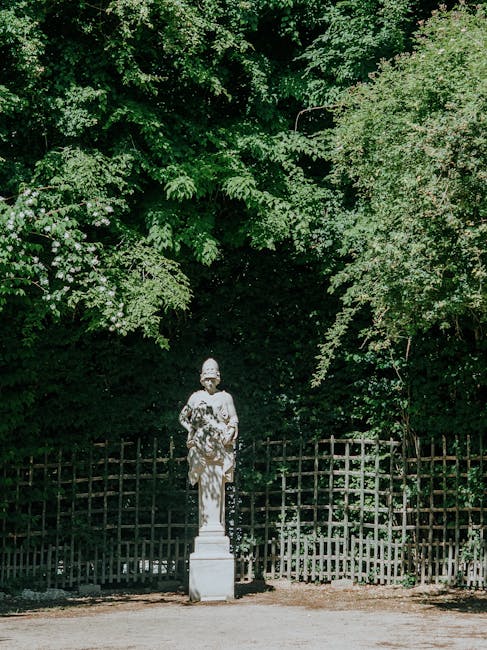
Padua (Padova) is usually celebrated for its artistic masterpieces — the Cappella degli Scrovegni with Giotto’s frescoes, the impressive Basilica di Sant’Antonio, the ancient Università degli Studi di Padova — but the city also hides a network of intimate gardens and green cloisters where time seems to slow down. These spaces, sometimes open to the public and sometimes tucked behind high walls or anonymous gates, offer surprising leafy respites in the heart of the Venetian city. Wandering through these gardens means stepping into micro-landscapes that mix history, botany, architecture and hush: orange scents, neatly clipped boxwood, shaded walkways, ponds dotted with water lilies, pergolas smothered in wisteria. These places reveal a less touristy, more contemplative Padua, often rich with social and scientific memory.
Padua’s “hidden gardens” come in different guises: the scientific and historic garden like the Orto Botanico di Padova (a UNESCO World Heritage site), monastic cloisters with their hortus conclusus, university courtyards where students and professors retreat to study, and green squares where statues and canals narrate local history. Each space delivers a specific sensory experience: a medicinal-plant greenhouse, paved alleys edged with sculptures, a plot of culinary herbs, rows of old cypresses, or rosebeds that burst into color in spring.
This secret-strolls guide is designed to lead you step by step to these leafy refuges. You’ll find precise addresses, opening hours, indicative entry fees, immersive descriptions and practical tips to make the most of your visit (best time of day, suggested clothing, recommended buses or parking, and local rules to respect). Whether you’re a photographer chasing intimate frames, an amateur botanist, a heritage lover, or simply someone craving calm, these gardens promise slow, rewarding walks. The suggested routes work well for a coffee break at nearby terraces or for studious strolls under arbors.
Through this article I’ll introduce five emblematic and slightly secret spots in Padua: the Orto Botanico di Padova, the cloisters of the Basilica di Sant’Antonio, the Chiostro degli Eremitani and the gardens adjacent to the Museo Civico, the cortile e giardini del Palazzo Bo (University of Padua) and the vast Prato della Valle with its islets and hidden gardens. For each entry I’ll detail the vibe, a short history, opening times, prices, and share practical tips — how to get there, where to sit for the best view, and what to look for depending on the season. The visual markers
scattered through the text will help you picture these scenes and plan your own photos.
Orto Botanico di Padova — the world’s oldest university botanical garden
Practical info and address: Orto Botanico di Padova, Via Orto Botanico, 15, 35121 Padova PD, Italy. Hours (indicative, check before you go): October–March 9:00–17:00; April–September 9:00–19:00; closed on some public holidays. Fees (indicative): adult around €10.00; reduced (students, seniors) around €7.00; children and holders of certain cultural cards may be free or discounted — check the official site: www.ortobotanicopadova.it.
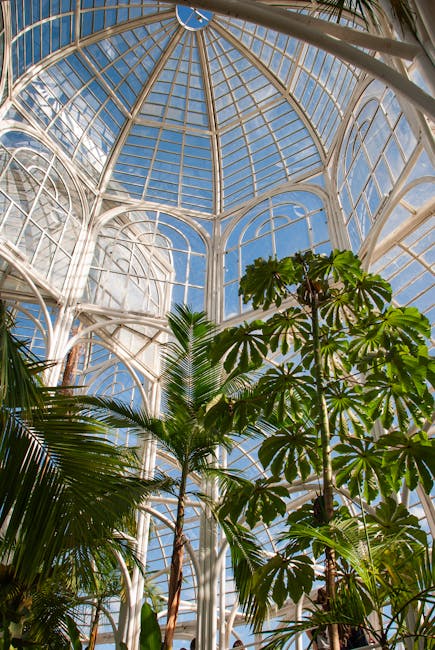
Immersive description: Founded in 1545, the Orto Botanico di Padova is often hailed as the oldest university botanical garden still in its original location. Passing through the discreet gate on Via Orto Botanico, you immediately feel the academic, living atmosphere: rows of medicinal plant pots, historic glass-and-metal greenhouses, a maze of beds arranged by botanical family, and a striking collection of epiphytes and aquatic plants. The Serra delle Succulente and the Serra delle Palme provide dramatic contrasts depending on the season: in winter the heated interiors give off earthy, exotic-leaf scents; in summer the cool shade draws strollers in.
Highlights to spot: the large Ginkgo biloba — one of the most photographed specimens — the central fountain ringed with medicinal herbs, the tropical greenhouse with tree ferns, and the carnivorous-plant section. The garden map shows themed routes (medicinal plants, food plants, exotic species), ideal for a focused visit of 45 to 90 minutes. Bilingual signage (Italian/English) makes it easy to read about the plants and their stories.
Practical tips: arrive early to avoid crowds and to take advantage of the soft morning light for photos; wear comfortable shoes (paths can be damp), bring a light jacket even in summer for shaded areas and greenhouses, and carry a notebook to record species and botanical notes. You can combine your visit with a coffee at the terrace bar near the entrance or buy guides and seeds in the gift shop. If you’re really into it, look out for guided tours and workshops (phytotherapy, herbalism) often announced on the garden’s website.
 Click here to book a walking tour of Padua
Chiostro della Basilica di Sant’Antonio and cloistered gardens — silence and devotion at the heart of the Santo
Practical info and address: Basilica di Sant’Antonio, Piazza del Santo, 11, 35123 Padova PD. Basilica opening hours: typically 6:00–19:00 (may vary with services); cloisters and monastic areas may have more restricted hours (open mornings and late afternoons, sometimes closed during ceremonies). Fees: the basilica is mostly free to enter; access to some historic routes or audio-guides may cost between €3.00 and €6.00. Guided tours of the cloisters are occasionally organized by the tourist office or the fabbriceria.
Immersive description: Just steps from the buzz of shopping streets, the Santo’s cloisters offer enclosed gardens where calm and simple spirituality reign. Vaulted galleries open onto courtyards planted with orange trees, bay laurels and roses; thick walls keep the cool and the echoes of old prayers. The Chiostro di S. Giacomo and the adjacent cloisters are places of retreat for pilgrims and visitors, dotted with stone benches, modest fountains and ancient Latin inscriptions. The scent of blossoms and filtered light create a perfect setting for meditation or reading.
Recommended experiences: attend a morning mass to feel the site’s acoustics, then explore the cloistered gardens at leisure, noting the mix of Mediterranean species — agaves, bougainvillea and cypresses — often chosen for their religious symbolism. Photographers will find strong compositions between columns, arcades and flowerbeds; aim for the golden hours near sunrise or sunset for long shadows and warm tones.
Practical tips: respect silence and modest dress codes inside the cloisters. Access can be limited during religious events, weddings or concerts: check the noticeboard at the entrance or the Basilica di Sant’Antonio’s official site. For a tasty break, Piazza del Santo is full of cafés and pastry shops (espresso ≈ €1.00–1.50; cappuccino ≈ €1.50–2.50). If you visit in summer, bring a small bottle of water and a hat for walks between sites.
Click here to explore the art and relics of Saint Anthony
Chiostro degli Eremitani and the Museo Civico gardens — between archaeology and secret oases
Practical info and address: Musei Civici agli Eremitani, Piazza Eremitani, 8, 35121 Padova PD. Hours (indicative): usually 9:00–19:00 (some museums closed Mondays); times for temporary exhibitions vary. Fees: civic museum entry ≈ €6.00–10.00 depending on the exhibition; sometimes combined tickets with the Cappella degli Scrovegni ≈ €15.00–20.00 (check the Musei Civici and Cappella websites).
Immersive description: The Eremitani complex houses not only art and archaeology galleries but also cloisters and gardens where ruins and vegetation blend together. The Chiostro degli Eremitani, with its elegant columns and shaded beds, is a peaceful stop after admiring frescoes and collections. Here the lawn is punctuated with stone benches, clipped shrubs and small ancient sculptures recovered from local digs. The contrast between old stone and flowering beds gives the garden a museum-like feel — perfect for historical reading in the shade.
Don’t miss: temporary outdoor exhibitions, often set up in the gardens, that pair contemporary art with the historic landscape. Informational panels explain the artifacts’ stories and the site’s biography — ideal for visitors seeking a cultural visit that combines art, history and a nature break. In autumn the falling leaves and low light make these spaces especially photogenic.
Practical tips: combine the museum and cloister visit for a cultural half-day. Buy timed tickets online for the Cappella degli Scrovegni if you want to see Giotto’s frescoes — slots are limited. The gardens are a lovely place for a picnic if allowed (check on site): bring a light blanket and avoid peak tourist hours (11:00–15:00). City buses 1, 2 and 8 stop near Piazza Eremitani; expect a 5–10 minute walk depending on your starting point.
Click here to book a guided tour of the Scrovegni Chapel
Palazzo Bo — courtyard, academic garden and micro-gardens of the University of Padua
Practical info and address: Palazzo Bo, Università degli Studi di Padova, Via 8 Febbraio, 2, 35122 Padova PD. Hours: public access varies with the university calendar and guided tour schedules; generally Palazzo Bo tours run several times a week (booking recommended). Fees: guided tours ≈ €6.00–12.00 depending on inclusions; some inner courtyards may be freely accessible during university events.
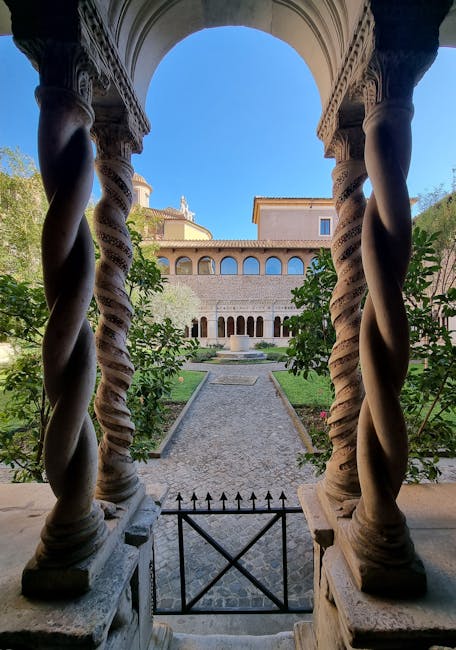
Immersive description: The Palazzo Bo, the historic seat of the University of Padua founded in the 13th century, contains several intimate courtyards and gardens where professors, students and visitors can sit. Passing through the gate you’ll find arcaded cloisters, terraced gardens and small courtyards planted with clipped boxwood. The vibe is studious and hushed: students discuss theses beneath a lime tree, professors hurry along the paths, and plaques mark the names of historic chairs (Anatomia, Chirurgia, Botanica).
Points of interest: the Corte Antica — often used for cultural events — and the “Giardino della Specola” (a small annex linked to the university’s historic scientific activities) which complements the Orto Botanico experience. The Palazzo Bo garden is also a spot for anyone interested in the history of medicine and research: explanatory panels, busts of notable professors and old commemorative plaques adorn the walls. The mix of academic heritage and greenery creates a special charm, very different from larger municipal parks.
Practical tips: check with the university reception for guided-tour slots and rules of conduct (some spaces may be closed during exams or academic sessions). Guided tours often grant access to areas normally closed to the public and are worth the price to understand Padua’s academic story. If you’re looking for a quiet place to work for a few hours, this garden is ideal; bring a small notebook and pen, and avoid using drones or organizing professional photo shoots without permission.
Click here to book a private tour of Padua’s highlights
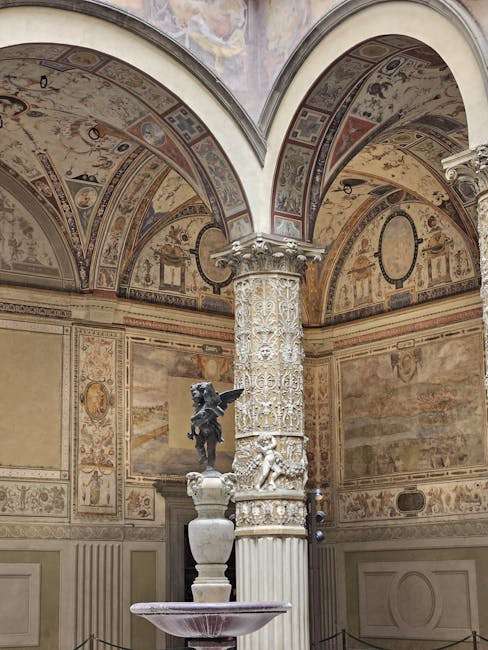
Prato della Valle and its islets — a vast esplanade with secret gardens
Practical info and address: Prato della Valle, 35123 Padova PD (large public space). Hours: public space, accessible 24/7. Fees: free. Some businesses and cafés around the square have their own hours and fees.
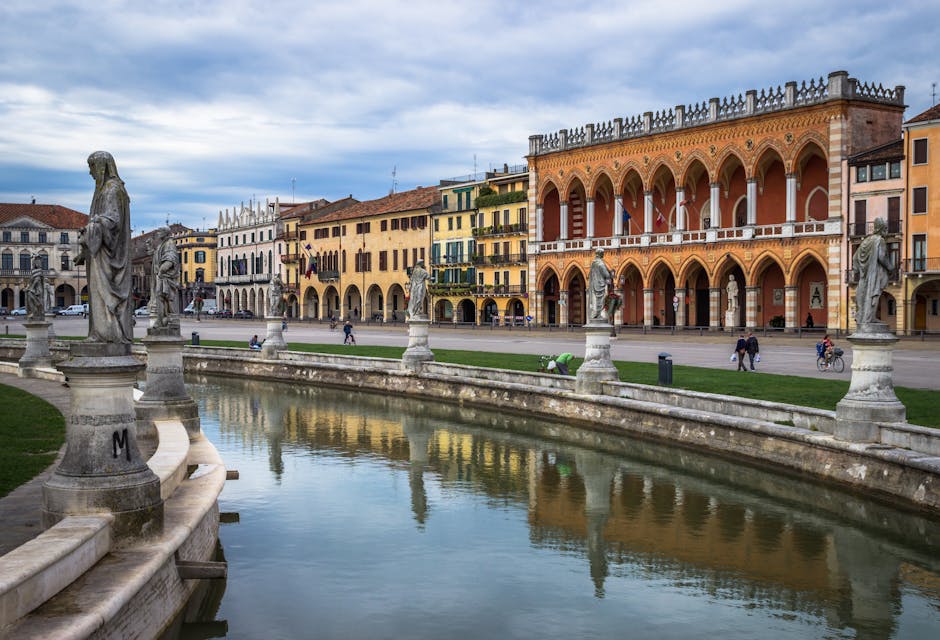
Immersive description: Prato della Valle is often described as the largest square in Europe with its ring canal and green islets. While the broad esplanade can be busy, there are lesser-known pockets: small paths along the inner canal, benches beneath weeping willows, corners lined with statues and flowerbeds. The Isola Memmia (one of the central isles) and the peripheral islets offer micro-gardens where you can almost feel like you’re in the countryside despite being close to the historic center. In the early morning, a light mist over the canal turns Prato della Valle into a romantic, silent landscape.
Recommended experiences: rent a bike or walk the large ring to spot quiet areas for reading or photography. The weekly market (days vary, often Wednesday or Saturday depending on season) livens the square and lets you combine plant discovery with local shopping. The cafés and gelaterie bordering the square are ideal for a break: a cappuccino costs about €1.50–2.50 and an artisan gelato roughly €2.50–4.00 depending on size.
Practical tips: watch your belongings — this is a very frequented spot; for calm photos aim for off-peak hours (before 9:00 or after 18:00 in summer). Trams and city buses serve the area (stops “Prato della Valle” or “Stazione” depending on the line); if you arrive by car, several public parking lots are a 5–10 minute walk away. In winter the square can be windy — bring a windproof jacket for longer walks.
Click here to book a golf-cart tour of Padua
Conclusion: planning your strolls, respect and handy tips to enjoy the gardens
Padua offers a surprising array of hidden gardens — from the most scholarly to the most popular — and each deserves time and attention. Before you set out, note a few simple rules to ensure a successful outing: check official websites for hours and fees (openings may vary with the season and events), favor morning hours for light and tranquility, and dress appropriately for the visit (comfortable shoes for damp paths, respectful attire for religious cloisters). Also bring water, a small umbrella or a light jacket depending on the weather, and a notebook if you like recording your botanical or architectural finds.
Respect the place and local rules: many of these gardens are heritage or religious sites — it’s crucial not to pick plants, not to climb on historic structures, and to behave discreetly in cloisters and places of worship. For photography, check the regulations: some sites prohibit flash, tripods or commercial shoots without permission. If you travel in a group or with a guide, book in advance to avoid disappointment and to support the institutions that maintain these spaces.
Finally, embrace slowness: these gardens reveal details invisible to hurried steps — a discreet historic graffiti, the label of a rare plant, moss covering a fountain edge, or a local guide’s story about a former university professor. Whether you spend a morning at the Orto Botanico, an afternoon among the cloisters of the Santo and the Museo Civico, or a full day exploring Prato della Valle and the university courtyards, you’ll come away feeling you’ve discovered an intimate Padua of cool shadows, scents and stories embedded in stone and soil.
Have a wonderful trip and happy wandering: take your time, let your senses adapt to the city, and don’t hesitate to push open a discreet gate — behind it, a garden often waits to surprise you.