





Introduction — Why Explore Padua on Foot and How to Use This Guide
Padua (Padova in Italian) is a city best discovered on foot: narrow medieval streets, cobbled squares, richly decorated façades and hidden secrets tucked beneath the porticoes. Walking lets you notice details a car or bus can’t show: the gold dust of frescoes, the scent of freshly roasted coffee, arcade reflections on the canals, and the everyday life of students who bring energy to this university town. This guide is a practical, clever companion to explore Padua on foot over a half-day, a full day or several days, combining routes, walking times, exact addresses, opening hours and local tips.
Inside you’ll find coherent pedestrian routes (easy-to-follow loops), detailed descriptions of key sites (with exact addresses and prices in euros), typical opening hours and suggestions to make the most of your visit (best times to avoid crowds, off-the-beaten-path alternatives, handy cafés and restaurants). The walks are designed to be doable without a car, starting or finishing at major arrival points such as the Stazione di Padova (Piazza della stazione, 1, 35131 Padova) — a central station well connected to regional and national trains.
This guide favors pedestrian logic: each stop is close to the next, with estimated walking times, addresses and entrance fees. Prices are shown in euros and reflect standard public rates at the time of writing; they may vary with temporary exhibitions, student discounts or combined tickets. For sites that require timed reservations (for example the Cappella degli Scrovegni), I explain the most efficient way to book and typical time slots so you can plan without stress.
Finally, you’ll find practical advice on: wearing comfortable shoes, avoiding peak university hours, enjoying morning markets and knowing good spots for an espresso or a simple meal. The goal: help you fully enjoy Padua by walking, favoring immersive experiences over simply ticking off monuments.
Walking Route 1 — Classic Loop: From the Historic Core to Giotto’s Frescoes (3–4 hours)
This loop is perfect for a first encounter with Padua. It covers the must-sees within a compact area and can easily be done on foot in 3 to 4 hours including a guided visit to the Cappella degli Scrovegni. Suggested start: Stazione di Padova (Piazza della stazione, 1, 35131 Padova). From there, walk 10–15 minutes along Via VIII Febbraio to enter the historic center.
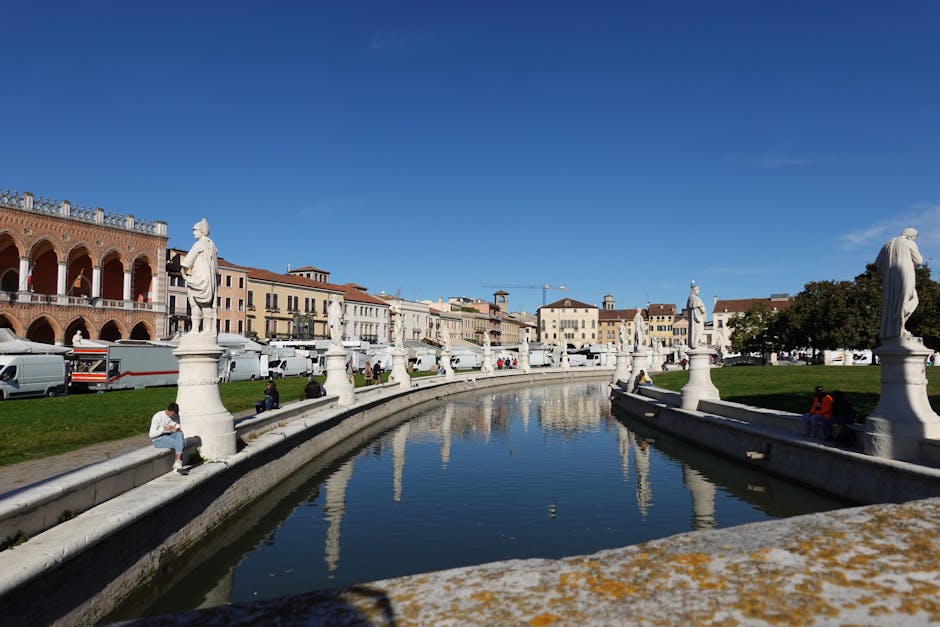
- Prato della Valle — Piazza Eremitani, 35122 Padova: a huge elliptical square, one of the largest in Europe. Free. Hours: accessible 24/7. Stroll around the basin and admire the statues and the cafés lining the square. Best time: early morning or late afternoon for nice light and fewer people.
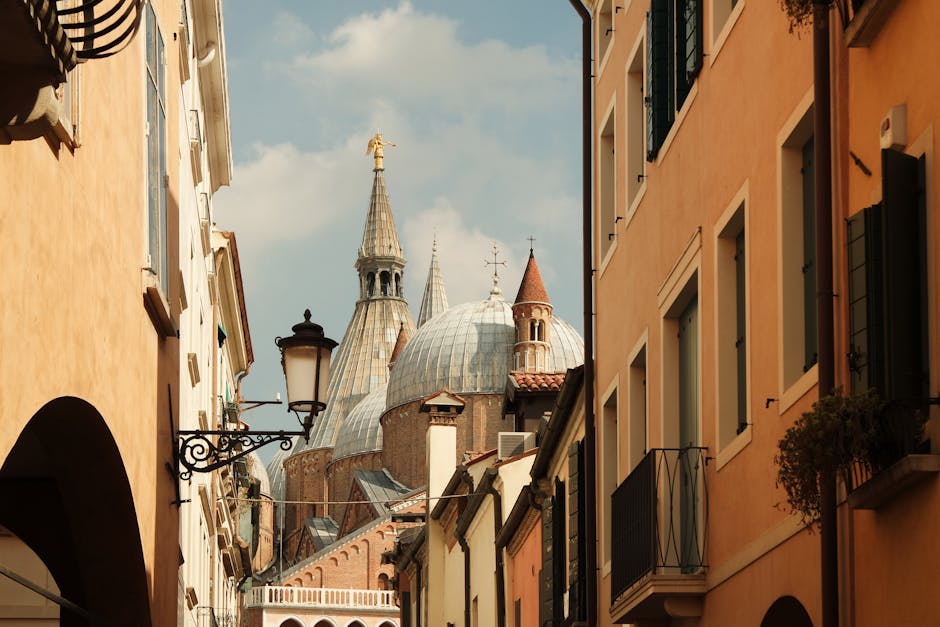
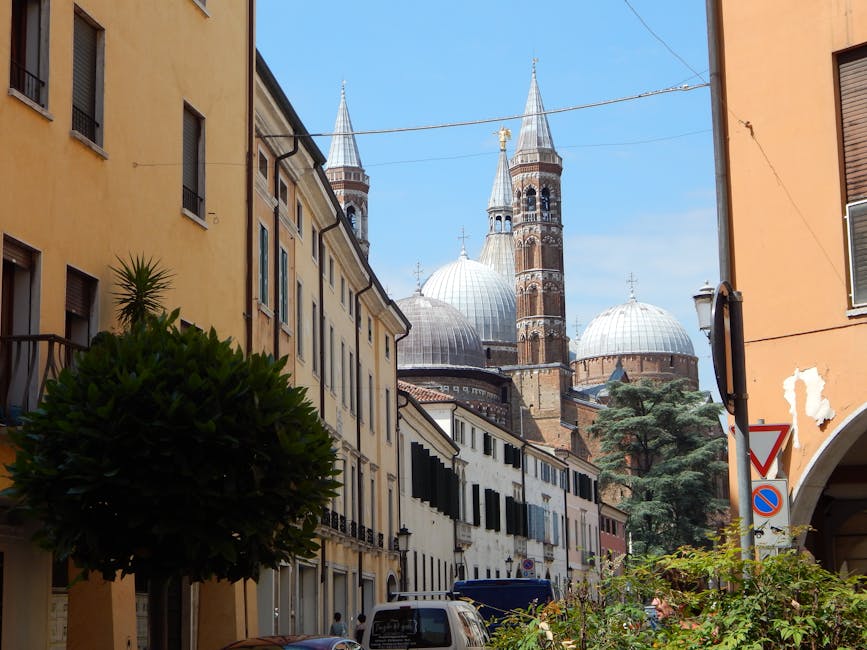
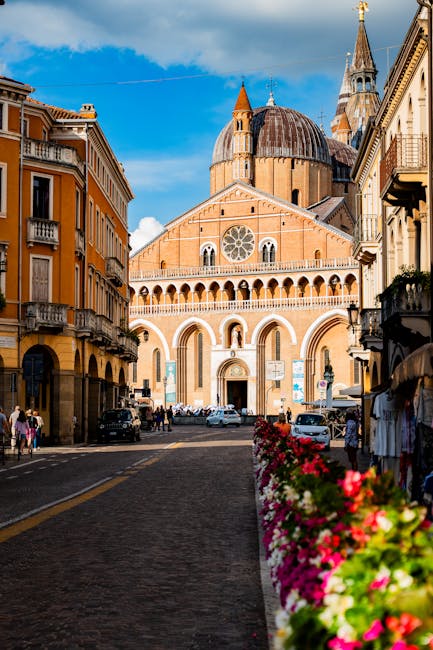
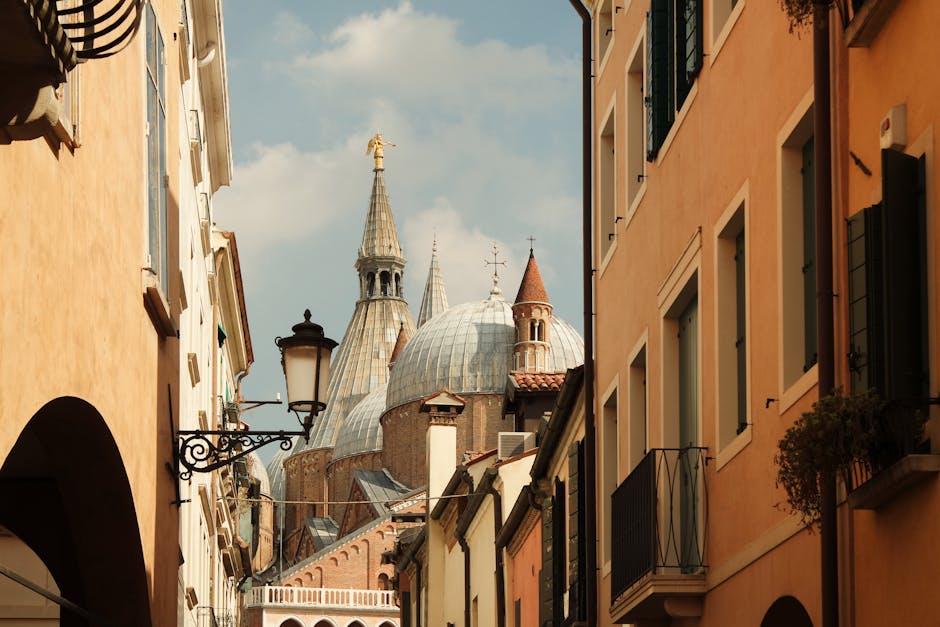
- Basilica di Sant’Antonio di Padova — Piazza del Santo, 11, 35123 Padova: an imposing 13th-century basilica. Main entrance is free. Hours: typically 06:30–19:00 for services; the adjacent museum (Museo Antoniano) often opens 09:00–18:00; museum ticket around €6. Tip: explore the side chapels and the cloister to admire sculptural details and ex-votos.
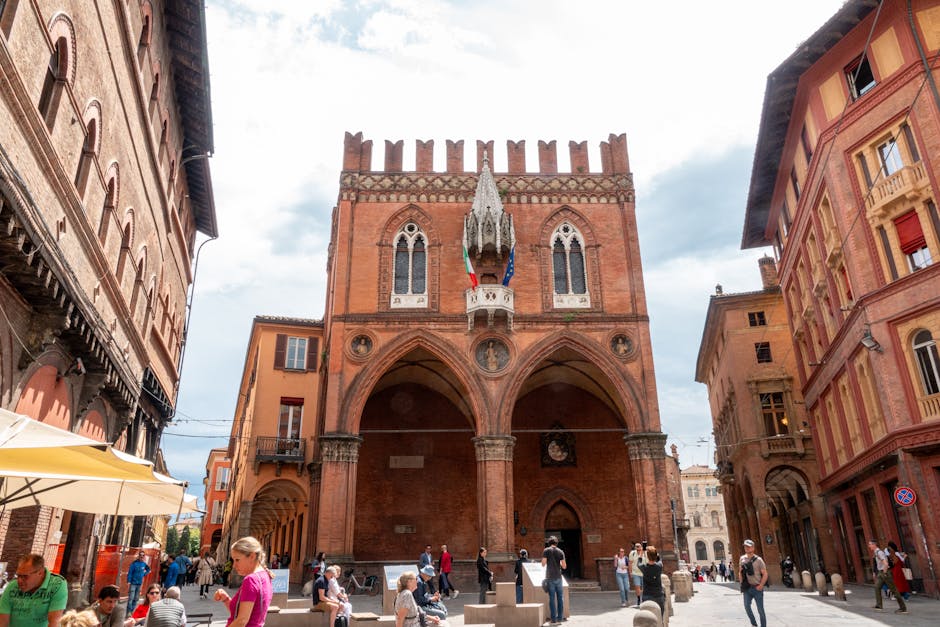
Continue with a short walk to Piazza delle Erbe and Piazza della Frutta, the medieval heart. There you’ll find the Palazzo della Ragione (Piazza delle Erbe, 9, 35122 Padova) — the vast market hall topped by a large covered square. Hours: 09:00–19:00 (may vary), entrance fee often €6–€8. Inside are paintings and a spectacular roof: climb up if a guided visit is available.
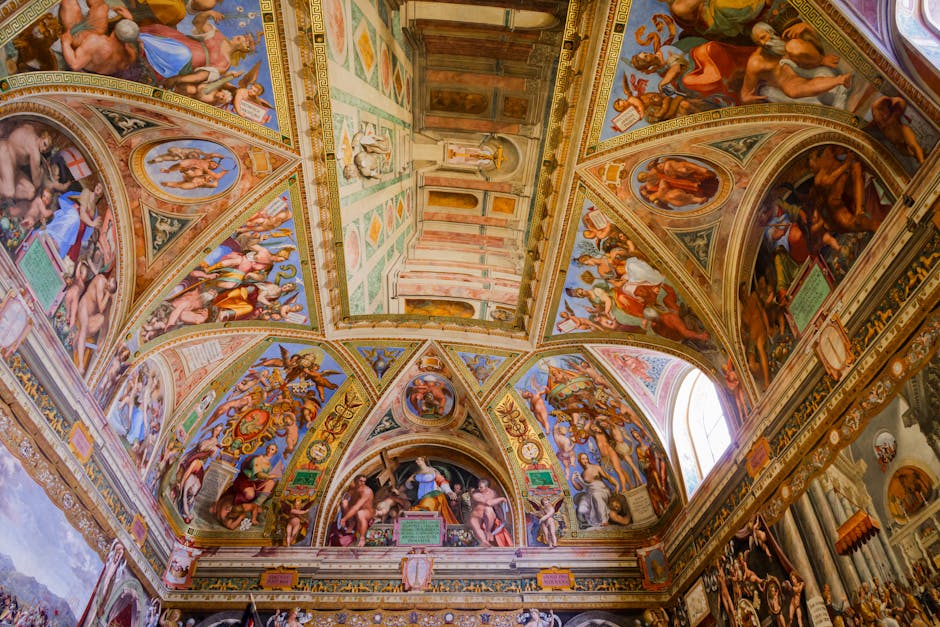
Finally, don’t miss the crown jewel: the Cappella degli Scrovegni (Piazza Eremitani, 8, 35122 Padova), home to Giotto’s frescoes. Timed reservations are mandatory. Standard rates: €15 for a full entry, reduced €12 for students/youth (indicative rates; online booking recommended). Typical hours: 08:30–19:30 depending on season; controlled visits every 15 minutes, visit length roughly 15–20 minutes. Practical tip: book the first morning slot for a more intimate experience and better light to appreciate the colors.
Walking Route 2 — University Stroll and Hidden Art: Gardens, Libraries and Student Cafés (2–3 hours)
Padua is also home to one of Europe’s oldest universities, founded in 1222. This walk focuses on the university atmosphere, historic botanical gardens and cafés frequented by students. It’s ideal for an afternoon or a relaxed morning.
- Università degli Studi di Padova — Palazzo del Bo (Via 8 Febbraio, 2, 35122 Padova): the administrative and historical heart of the university. Free entry for daytime classes; guided tours of the Teatro Anatomico (Anatomical Theatre) are possible. Theatre fee: often €6 (check at the ticket office). Opening hours vary: generally 09:00–17:00 on weekdays. Tip: look for Latin plaques and inscriptions in the courtyard — traces of the city’s scientific history.
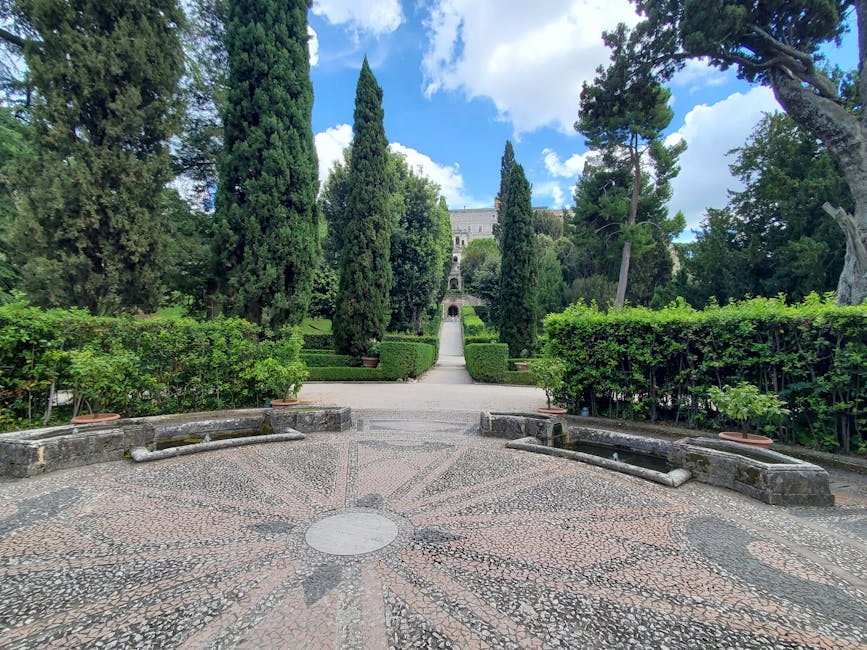
- Orto Botanico di Padova — Via Orto Botanico, 15, 35121 Padova: the botanical garden founded in 1545, listed as a UNESCO World Heritage site. Ticket: €6 full price, reduced €3–€4 depending on season. Hours: 10:00–16:30 in low season, up to 18:00 in high season (check times). Stroll slowly among the greenhouses, medicinal plants and the atmosphere of centuries of research.
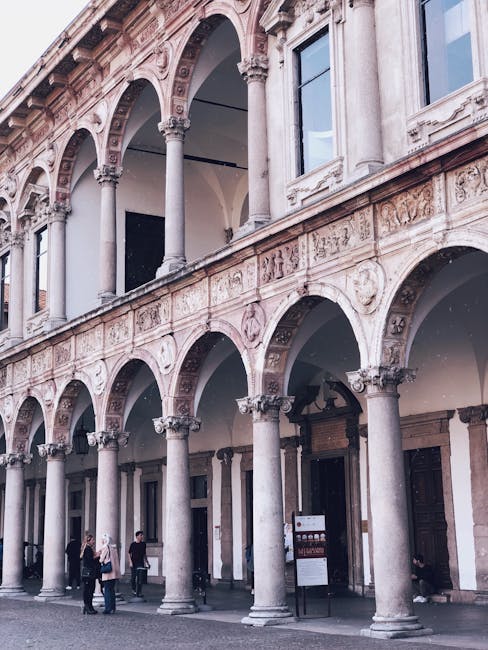
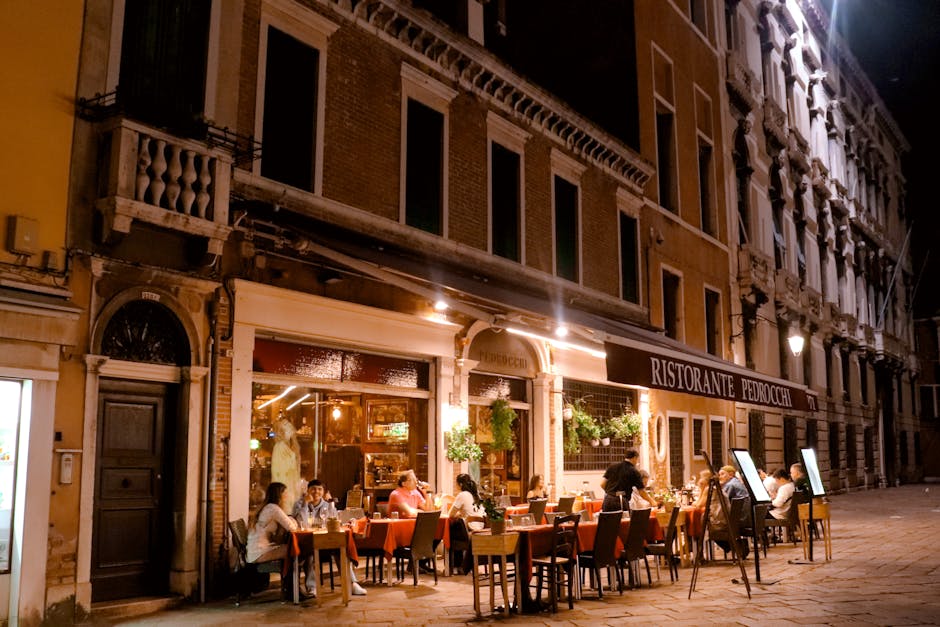
Between these two sites, stop at the Caffè Pedrocchi (Via VIII Febbraio, 15, 35122 Padova) — a historic café founded in 1831. Hours: 07:30–20:00; espresso around €1.50–€2.50 at the counter, pastries €3–€6. It’s a perfect spot to watch student life and leaf through a postcard or book. The café features a neoclassical décor: an interior rich in stucco and mirrors.
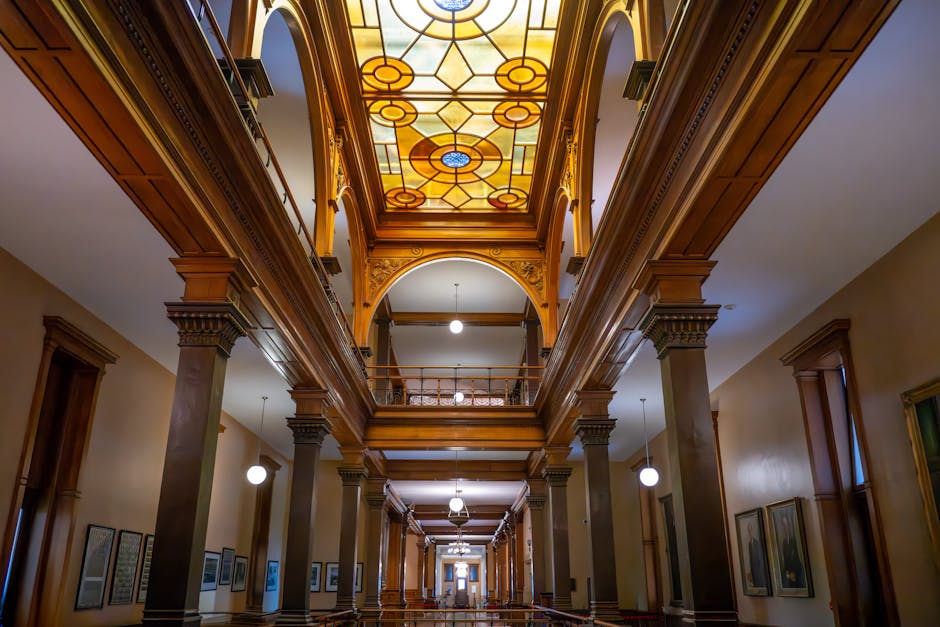
Finish your stroll at the Biblioteca Universitaria di Padova (Via del Vescovado, 30, 35122 Padova) to admire historic reading rooms and temporary exhibitions. Free entry to some areas; heritage documents are available by appointment. End in the nearby lanes where small independent bookshops and trattorie offer a budget-friendly but tasty meal.
Walking Route 3 — Secrets and Alleys: Photographing Padua Off the Beaten Path (3 hours)
For visitors who’ve already seen the main monuments and want to seek Padua’s soul, this walk focuses on alleys, lesser-known canals, wall frescoes and tiny squares. The pace is slow: stop to photograph, chat with shopkeepers and enjoy an aperitivo at sunset.
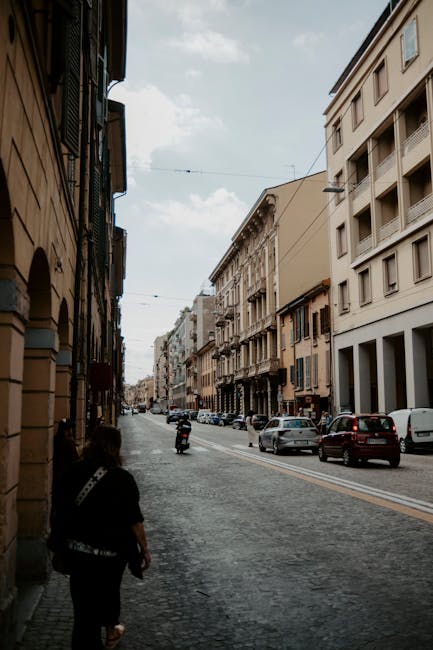
- Via San Francesco and Borgo Cavour: streets lined with artisan shops and workshops. You’ll find discreet façades, old signs and photogenic arcades. Free, accessible all day. Photo tip: after rain, the cobbles reflect light and create beautiful compositions.
- Chiesa degli Eremitani — Piazza Eremitani, 8, 35122 Padova: the church and the Museo Civico agli Eremitani contain archaeological remains and artworks. Fees: museum around €6–€8. Hours: 09:00–17:00 (seasonal variations). The church, a stone’s throw from the Cappella degli Scrovegni, offers a quieter atmosphere than the major sites.
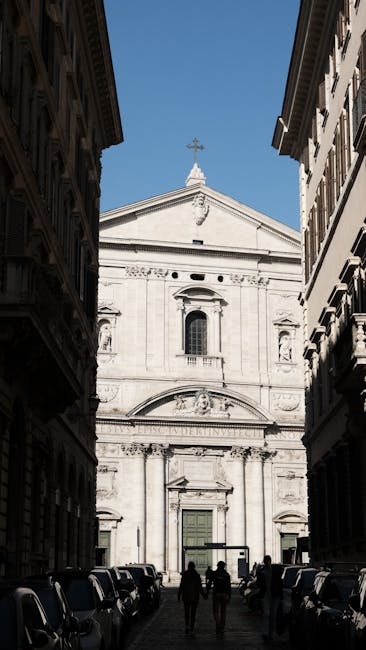
One of the great joys of this walk is spotting small furniture restoration workshops, family bakeries and neighborhood markets. For example, stopping at the covered market near Piazza delle Erbe to taste a fresh focaccia (indicative price: €2–€4) and chat with the vendor can turn a stroll into a local experience.
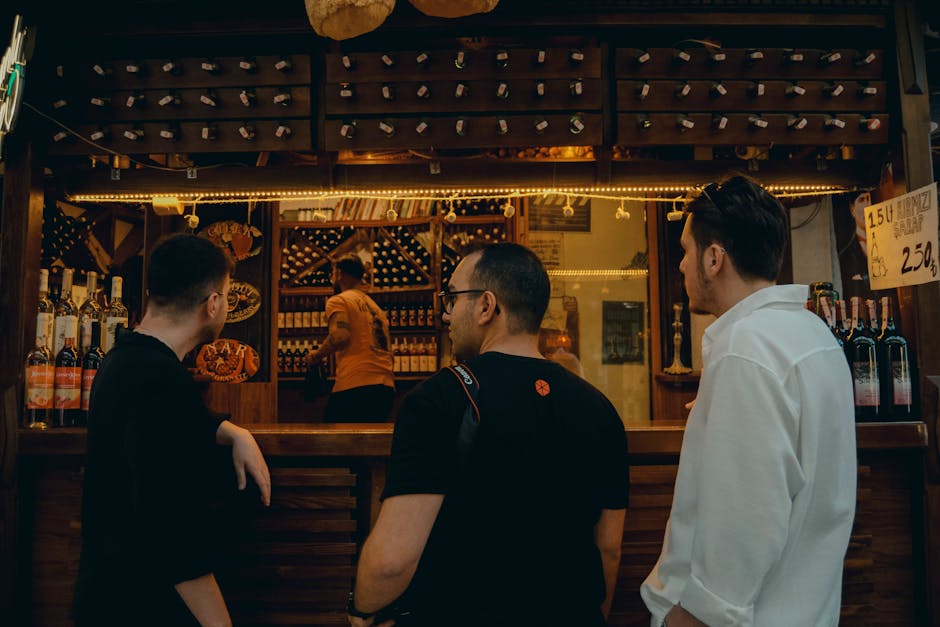
For evening aperitivo, head to the area around Via Roma and Piazza delle Erbe: bars and wine shops often offer a buffet with drinks (aperitivo €8–€12 depending on the bar). Photographer’s tip: favor the golden hour (the hour before sunset) to capture warm tones on the walls and reflections in the secondary canals.
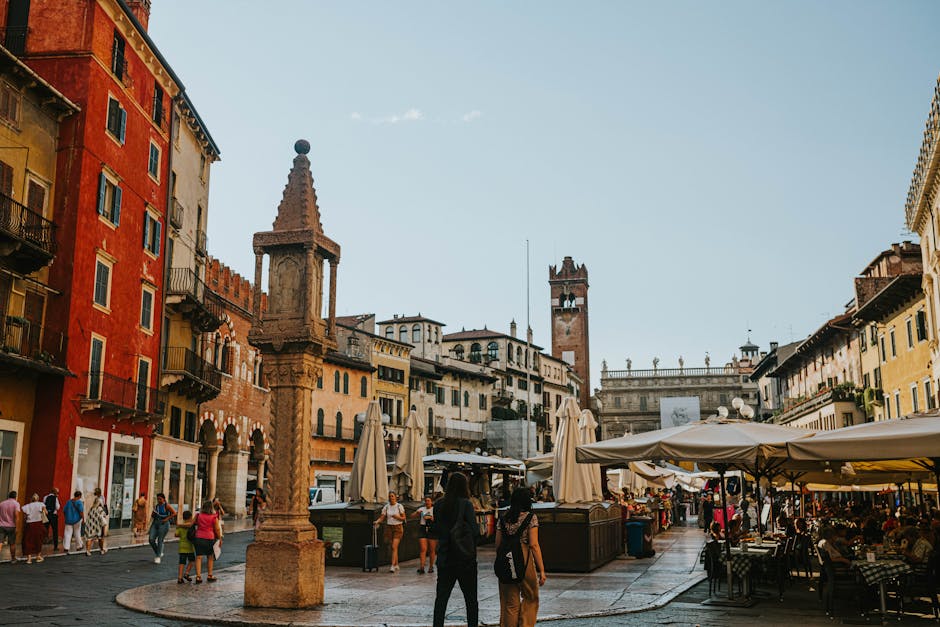
Walking Route 4 — River Stroll and Markets: A Local Rialto and Paduan Flavors (3 hours)
While Padua isn’t Venice, the city offers canals, lively markets and a strong gastronomic tradition. This route emphasizes food, food markets and small shops where you can buy local products. Ideal for food-loving visitors and for a half-day outing.
- Mercato della Piazza delle Erbe — Piazza delle Erbe, 35122 Padova: the morning fresh-produce market. Hours: typically 07:00–13:00 from Tuesday to Saturday (check days). You’ll find fruits, vegetables, local cured meats and cheeses. Tip: ask the vendor for a salumi tasting sample (sample slice price €1–€3).
- Via San Martino e Solferino and adjacent lanes: small gastronomic shops selling oils, vinegars, artisanal pasta and Veneto wines. Prices: local olive oil 500 ml ≈ €6–€12 depending on quality; artisanal pasta 500 g ≈ €3–€6.
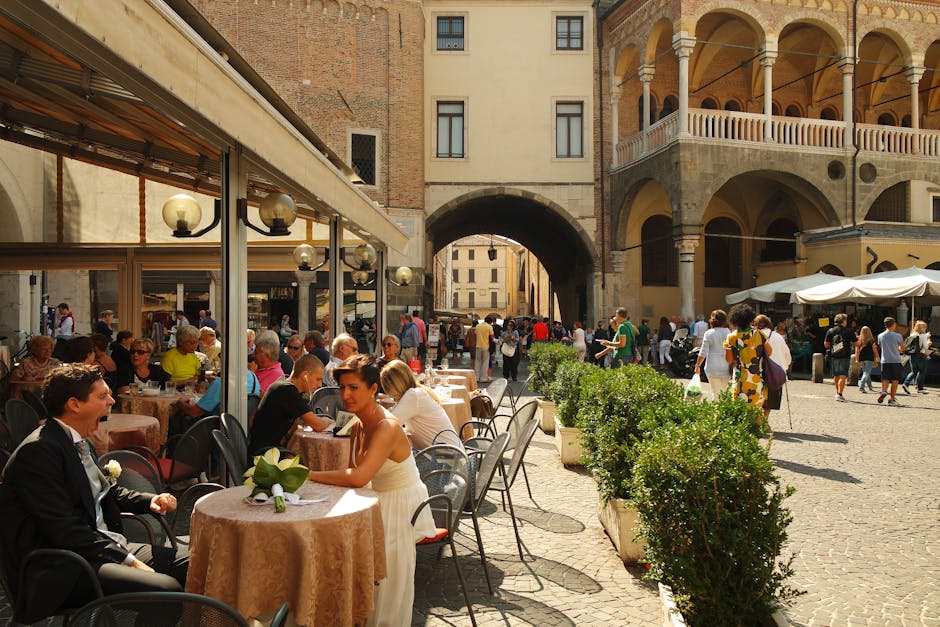
For a typical lunch, try a neighborhood trattoria like Trattoria ai Fiori (Via San Francesco, 18, 35121 Padova) or a local osteria: fresh pasta dishes, risottos and Veneto specialties. Average meal price: €12–€25 per person depending on dish and whether wine is included. Cafés offer panini and quick dishes (prices €5–€12).
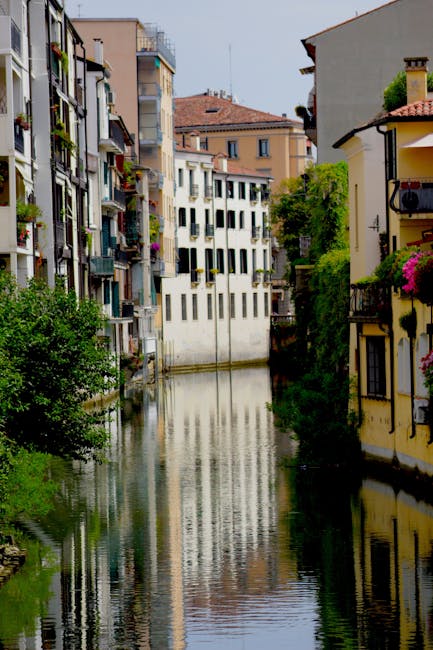
After lunch, wander along a secondary canal toward Portello (northern neighborhood) or explore the quays accessible from the center. The banks often provide peaceful viewpoints and small stone bridges perfect for photography. Finish the visit with a stop at a pasticceria for a traditional dessert: individual tiramisù around €3–€5.
Practical Tips, Opening Hours, Prices and Local Hacks
Getting around Padua on foot is generally easy, but there are a few practical rules to know to make the most of your stay. Here’s a full list of tips, typical hours and price ranges to plan effectively:
- Shoes and clothing: favor comfortable, non-slip shoes. The cobbles are uneven, especially near the medieval squares.
- Typical opening hours: most museums open between 09:00 and 10:00 and close between 17:00 and 19:00. Churches may open earlier for services (from 06:30–07:00) and close later; always check the official site. Cafés and bars generally open early (07:00–20:00), while restaurants serve lunch 12:00–14:30 and dinner 19:00–22:30.
- Indicative prices: Cappella degli Scrovegni €15 (full price, timed reservation required); Orto Botanico €6; Palazzo della Ragione €6–€8; Museo Antoniano €6; temporary exhibitions €8–€12 depending on the event. Espresso at the counter ≈ €1.50–€2.50; simple lunch €10–€20; aperitivo €8–€12.
- Reservations: for the Scrovegni, book online (timed ticket). For groups or guided tours of the Università degli Studi (Teatro Anatomico), contact reception in advance to confirm availability.
- Safety: Padua is generally safe, but as in any tourist city, watch your belongings in busy areas (markets, train stations). The porticoes (portici) are perfect shelter if a sudden storm hits.
- Useful maps and apps: download an offline map (Google Maps or Maps.me) and the official Padova tourism app to stay informed about events. Regional TER trains frequently serve the station for day-trip options.
Conclusion — Make the Most of Your Walking Experience in Padua
Padua rewards slow steps and attention to detail. Whether you follow the classic loop to admire Giotto’s frescoes, wander the university gardens, hunt for photogenic alleys or sample a gastronomic tour, walking remains the best way to feel the city. This guide offers routes designed to be doable on foot, with precise addresses, typical hours and indicative prices to help your planning. Keep in mind that rates and opening times may change: always check official museum websites (for example the Cappella degli Scrovegni page) before your visit to book and avoid disappointment.
Final tip: leave room for the unexpected. One of Padua’s greatest pleasures is stumbling into a bookshop, joining a neighborhood market or sitting on a bench at Prato della Valle to watch local life. The students give the city a lively, youthful vibe, historic cafés (like Caffè Pedrocchi) bring history to life, and the museums and chapels offer a unique artistic and scientific continuity. By walking, you’ll discover not only the monuments but also Padua’s soul — made of small stories, family businesses and memorable food breaks.
Before you go, note: book the Cappella degli Scrovegni in advance if you really want to enjoy it, schedule museum visits outside peak university hours when possible, and keep a small amount of euros on hand for small shops and local markets. Safe travels — and happy walking in Padua!