





Introduction: Hidden Chapels of Padua — Sacred Art Gems Off the Beaten Path
Padua (Padova), an art-rich city tucked into the Veneto region, is often celebrated for its monumental frescoes, historic university and the popular devotion to Saint Anthony. Yet tucked away from the busiest tourist trails are discreet chapels, oratories and sacred retreats that tell a parallel story: one of local patrons, craftsmen, devotional confraternities and intimate spiritual practice. These small rooms of devotion, sometimes hidden behind unassuming facades or tucked into the side aisles of large basilicas, concentrate painterly finesse, moving ex-votos, carved woodwork and reliquaries that are every bit as worth visiting as the city’s headline attractions.
In this article I invite you on a sensitive route through several of Padua’s hidden chapels, providing concrete practical details: full names of the sites, exact addresses, entrance prices, opening times and tips to make your visit smooth and rewarding. The goal isn’t just to list monuments, but to recreate the atmosphere — the hush broken by a guide’s whisper, low light grazing a fresco, the scent of old timber — so you can, in turn, feel the spiritual and aesthetic weight of these spaces.
Not all these chapels are easy to access: some only open at fixed times, others require booking or are only accessible with a ticket combined with a museum visit. It’s therefore essential to plan your route around opening hours and closing days, and to be patient: the reward is the intimacy of a well-preserved work, the chance to study a detail the crowd never notices. For each place I’ll include precise local tips — where to park, which ticket to buy, the best angles for photos (within the rules), and how to pair a visit with a coffee, a market or a stroll in a nearby neighborhood.
Whether you’re a lover of sacred art, a photographer hunting motifs, a pilgrim on a route or simply curious about places off the beaten path, this guide aims to turn a walk in Padua into a trail of secret discoveries. The chapels described here are both works of art and places of devotion: approach them with respect, and with a keen eye. The practical coordinates and recommendations will help you organize a smooth visit, while the immersive descriptions aim to prepare you for the emotion these small sanctuaries can stir.
Cappella degli Scrovegni – Giotto’s Frescoes, Piazza Eremitani 8
The Cappella degli Scrovegni is probably Padua’s best-known and most documented chapel, but thanks to its timed entry and strict control it remains an intimate experience. Address: Piazza Eremitani, 8, 35121 Padova PD, Italy. This early 14th-century jewel houses Giotto di Bondone’s fresco cycle (c. 1303–1305), widely seen as a pivotal step toward modern painting. The scenes of the Life of the Virgin and the Life of Christ, the narrative power and the emotional precision of the faces make the chapel walls seem to breathe.
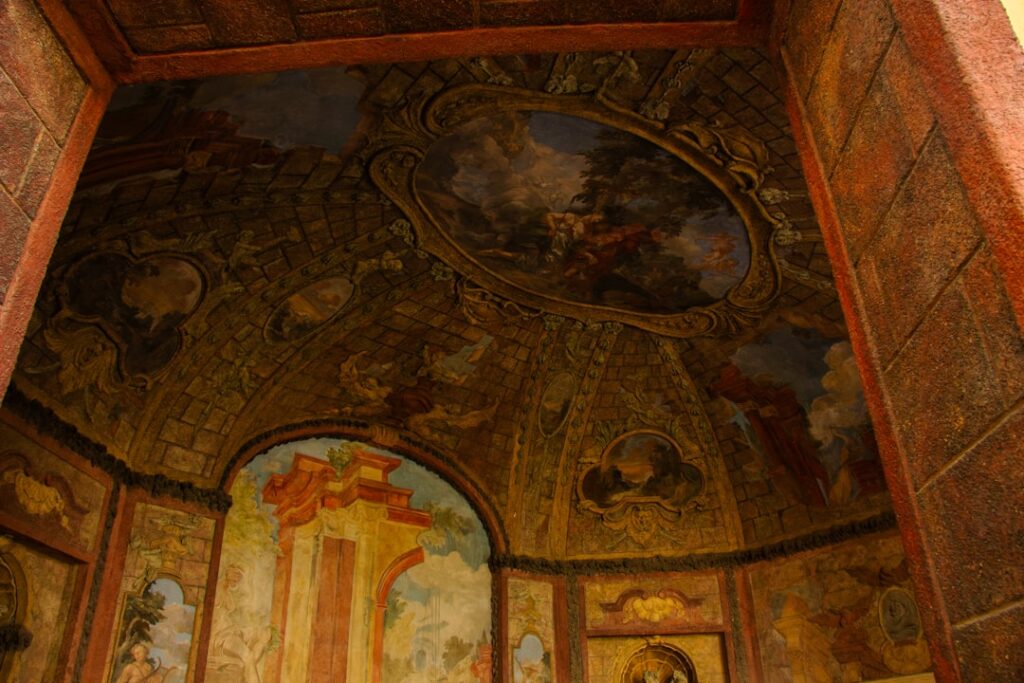
Price and access: entry is organized by strict time slots. Indicative price: €15 (standard adult ticket including access to the Museo dell’Arena and an audio guide; reduced rates for students and seniors; occasional free admission for certain groups on presentation of ID). Tickets are often dated and time-stamped; it’s strongly recommended to reserve online via the official site or at the Museo degli Eremitani – Museo Civico agli Eremitani ticket office (Piazza Eremitani, 8).
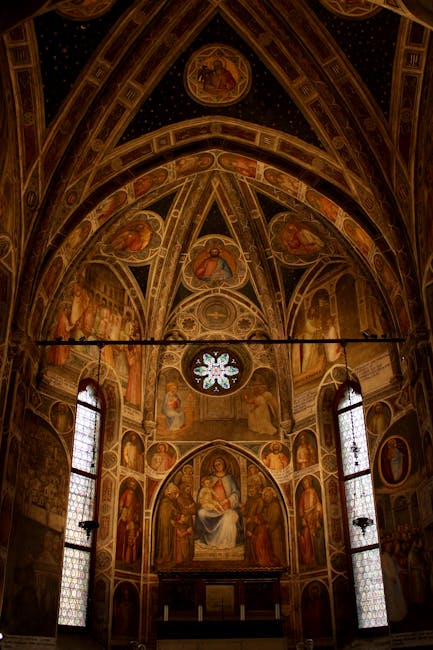
Opening hours (indicative — check before you go): generally open Tuesday through Sunday, 9:00–19:00 (last entry varies by time slot). Closed on Mondays. Visits are time-limited (approx. 15–20 minutes) to protect the frescoes. Morning slots book up quickly, so plan ahead, especially in high season (spring–summer).
Practical tips: arrive 20–30 minutes before your slot if you need to collect tickets; avoid large bags (there is cloakroom storage on site). Do not touch the walls, and prioritize the audio guide to understand the narrative chronology. For respectful photography, favor close-ups of details (if photography is allowed) rather than posed shots with flash — flash is prohibited. After your visit, step out onto the small square beside it to admire the facade of the Museo Civico and the Chiesa degli Eremitani and grab a filter coffee at one of the nearby bars.
Basilica di Sant’Antonio di Padova – Side Chapels and the Cappella del Santo, Piazza del Santo 11
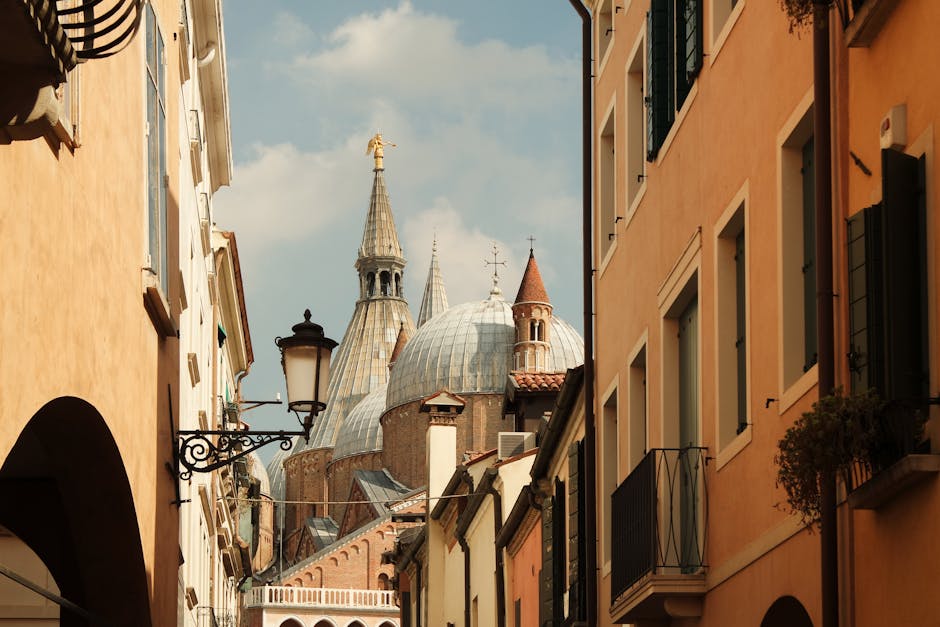
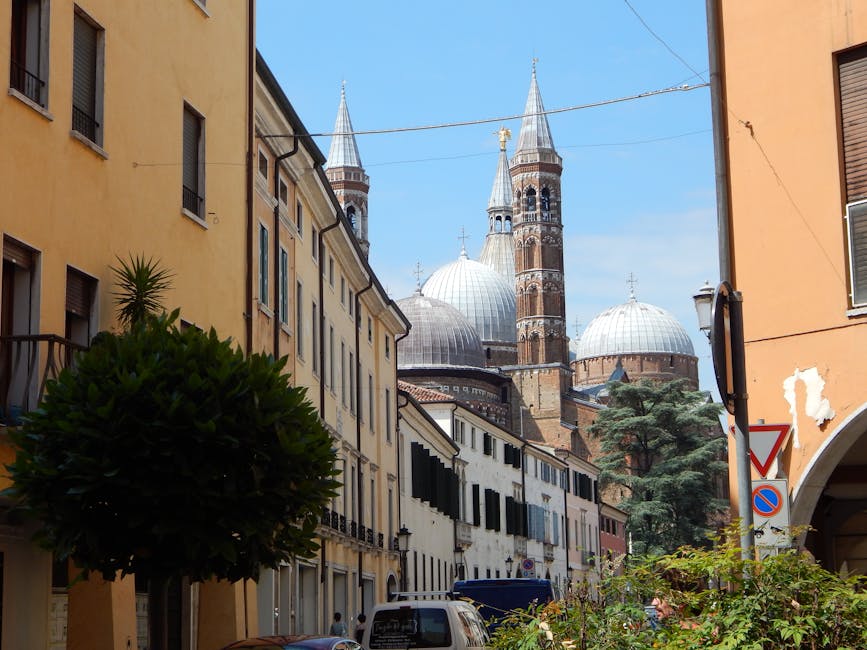
The Basilica di Sant’Antonio di Padova (locally known as Il Santo) is one of Italy’s most visited pilgrimage sites, but inside you’ll find chapels rich in art that are sometimes overlooked by the flowing crowds. Address: Piazza del Santo, 11, 35123 Padova PD, Italy. Among them, the Cappella del Santo and several side chapels display altarpieces, sculptures and relics centered on the Saint and local devotions.
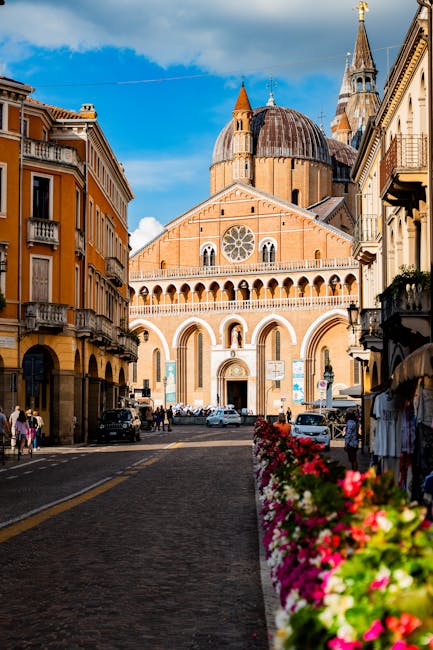
Price and access: entry to the basilica itself is usually free, but some areas (the Relicario del Santo, the Museo Antoniano) may require a ticket. Indicative prices: Museo Antoniano/Relicario: €5–€8 depending on temporary exhibitions. There isn’t always a separate ticket to access the Cappella del Santo; donations and contributions are encouraged. Opening hours vary according to the liturgical calendar: the basilica opens early around 6:00 and remains accessible until 18:30–19:00 for services and prayer; the museum is generally open from 9:00 to 17:00.
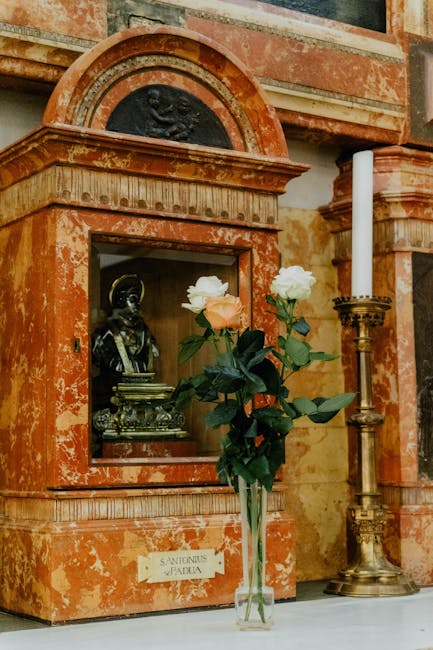
Immersive description: crossing the basilica threshold brings you into a composite ensemble: Byzantine domes, baroque chapels and an atmosphere of devotion that slows the tourist pace. The side chapels provide quiet moments to linger by a polychrome Virgin, a decorated baroque altar or a painted ex-voto. The Relicario, carefully guarded, displays objects associated with Saint Anthony — woodwork and goldsmithing that reflect the prestige of the site. Shifts of scale — from intimate chapels to the broad nave — multiply viewing perspectives.
Practical tips: if you want photos of a chapel without crowds, aim for early mass times or the lunch hour. Respect ongoing services: keep quiet and avoid overly revealing clothing. For a scholarly visit, combine the basilica with the Museo Antoniano to understand the context of the relics. If you arrive by car there’s a public car park nearby: Parcheggio Prato della Valle (Via Paoli, 35123 Padova), followed by a 10–15 minute walk; for public transport, several bus lines serve Piazza del Santo.
Oratori and Small Chapels: Hidden Oratories and Brotherhood Chapels
Beyond the major monuments, Padua is rich in confraternity oratories and small chapels that are sometimes only accessible via guided tours or limited opening hours. Among these are historic oratori filled with paintings and carved wood: for example the Oratorio di San Giorgio (located in the centro storico area) and small sanctuaries attached to palaces and convents. These spaces, often lesser known, offer surprising pictorial cycles, painted ceilings and a more intimate aura than the large basilicas.
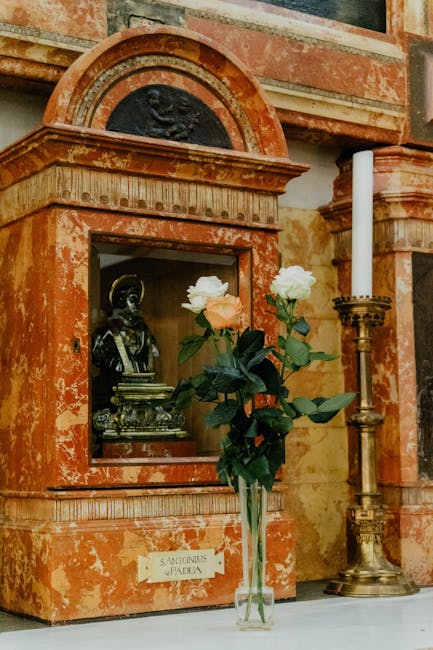
Addresses and access: many oratories don’t have a standard tourist address — they’re integrated into convents or civic buildings — but typical addresses to note include: Oratorio di San Giorgio, Via San Giorgio (historic centre); Oratorio dei SS. Filippo e Giacomo, Via San Francesco. Opening times are often limited: visits by appointment or during convent opening hours (often mornings, 9:00–12:30, and sometimes afternoons 15:00–18:00). Entry fees are modest; plan on €3–€7 for maintenance, or a free-entry donation when access is unrestricted.
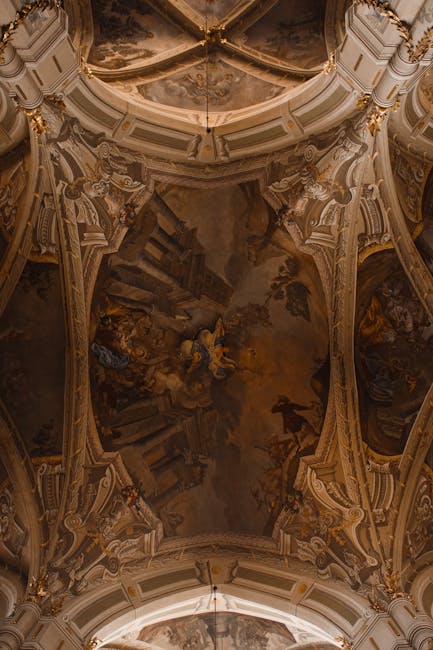
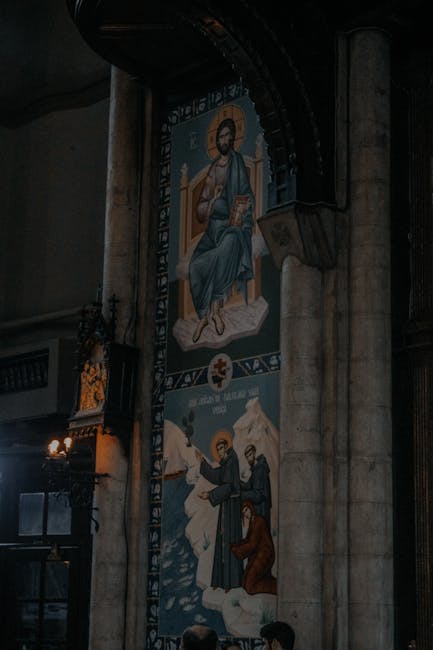
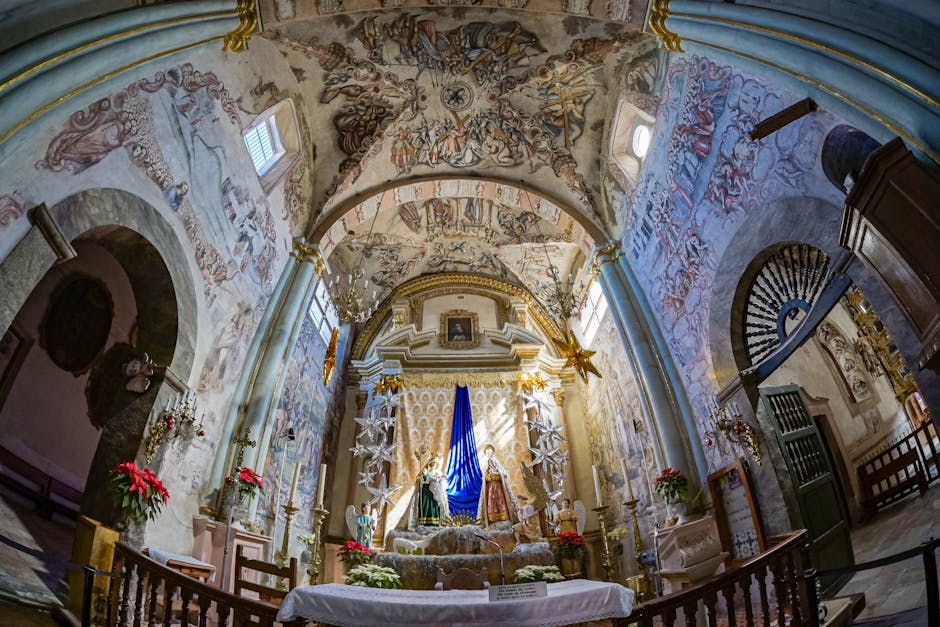
Immersive descriptions: stepping into these chapels reveals spaces where light filters through small windows, highlighting delicately painted faces, gilded frames and worn pews. These oratories were often the spiritual refuge of trade confraternities (weavers, butchers, merchants) who commissioned works stamped by their devotion and attention to detail. You’ll find scenes of the Passion, Madonnas in glory, and sometimes popular ex-votos that tell stories of healings and everyday protection.
Local practical tips: check with the ufficio turistico di Padova (Tourist Office, Piazza Garibaldi 11) for opening times and guided visits to the oratories. If you’re photographing, bring a fast lens (f/2.8 or faster) to work in low light without flash (often prohibited). And respect the rules of silence and caution: some chapels are fragile, with unrestored frescoes and antique woodwork.
Chiesa degli Eremitani and the Small Chapels of the Museo Civico – Piazza Eremitani 8
The Chiesa degli Eremitani (Piazza Eremitani, 8, 35121 Padova PD) and the Museo Civico agli Eremitani are complementary sites for anyone wanting a deeper dive into Padua’s hidden chapels. The medieval-origin church has side chapels and scattered fresco remains that testify to a dense artistic history. The adjacent museum sometimes displays fragments and panels from old altarpieces, providing an archaeological perspective useful for understanding the city’s oratories.
Price and hours: The Museo Civico agli Eremitani generally offers a combined ticket with the Cappella degli Scrovegni. Indicative independent museum ticket: €6. Museum hours are often 9:00–17:00 (closures vary on Mondays), while the church follows local service times. Temporary exhibitions can change access conditions; always check the official website or the tourist office.
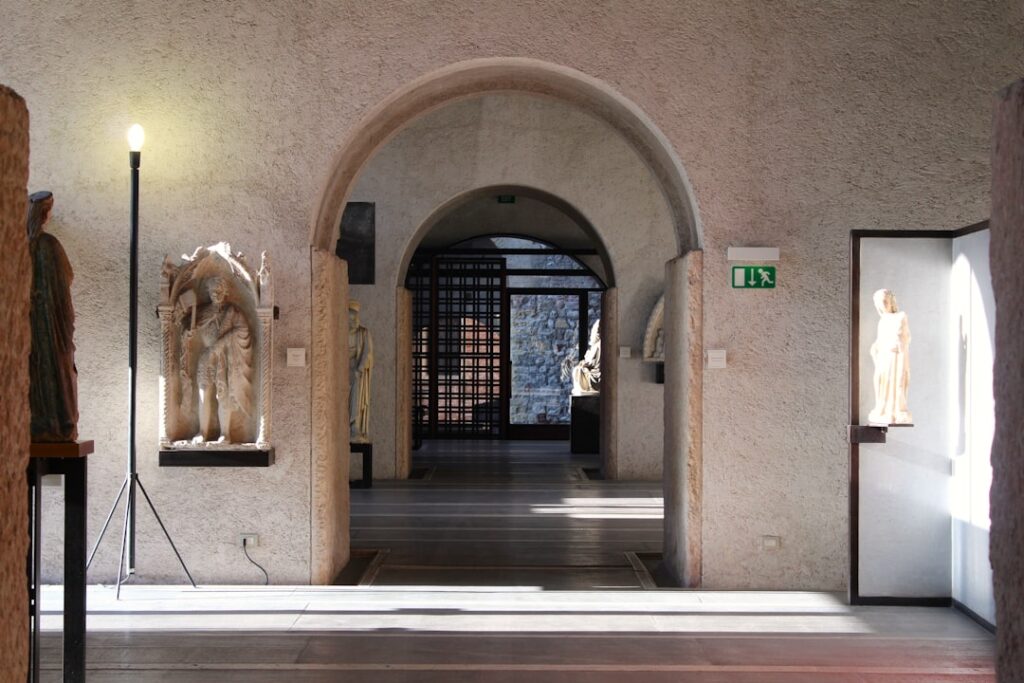
Immersive descriptions: here you move from sacred space to museum without an aesthetic break: fresco fragments mounted in sober rooms, protective display cases and labels that explain the original commissions. The small adjoining chapels, sometimes refurbished in a baroque style, retain marble altars and paintings by local masters. It’s an ideal spot to contextualize Padua’s secret chapels: objects moved to the museum often come from those little sanctuaries and allow a broader reading of devotional practices.
Practical tips: combine the museum visit with the Cappella degli Scrovegni for a fuller experience. The neighborhood is close to the busy Via Roma and historic cafés — perfect for a break after visiting. If you’re traveling by train, Padova station is less than a 20-minute walk; otherwise take a local bus toward il centro storico and get off at the “Eremitani” stop. Watch for museum closed days (often Monday for some institutions) and specific opening times for temporary exhibitions.
Conclusion: How to Prepare and Make the Most of Padua’s Hidden Chapels
Exploring Padua’s hidden chapels requires a mix of preparation, curiosity and flexibility. The chapels on offer are varied: from the Cappella degli Scrovegni, a world-renowned sanctuary for Giotto’s frescoes, to tiny oratories where light uncovers painted faces — each place delivers a unique experience. To get the most out of your visits, follow some practical rules: book timed tickets in advance (especially for the Cappella degli Scrovegni), check museum and basilica hours (which change with the season and religious holidays), and have backup plans in case of unexpected closures.
Think logistics: parking near the historic center (Parcheggio Prato della Valle or public peripheral car parks), navigating on foot or by bike to enjoy the alleys, and regularly consulting the ufficio turistico di Padova website for updates. Carry an offline map or app (for limited connectivity), a fast lens if you’re a photographer, and comfortable shoes for cobblestones. Respect visiting rules: silence in oratories, flash often forbidden, and in some chapels photography prohibited. Donations are always appreciated to help maintain these fragile little sites.
Finally, give yourself time: the beauty of hidden chapels often lies in details — a frozen glance in a fresco, a cracked gilding, a naive ex-voto — that invite you to slow down. Then wander the neighboring quarters: Piazza dei Signori, Prato della Valle, the historic cafés on Via Roma and local markets to complete the experience. By combining practical planning with contemplative attention, you’ll turn a visit to Padua into a memorable route through these sacred art gems that sit off the beaten path.