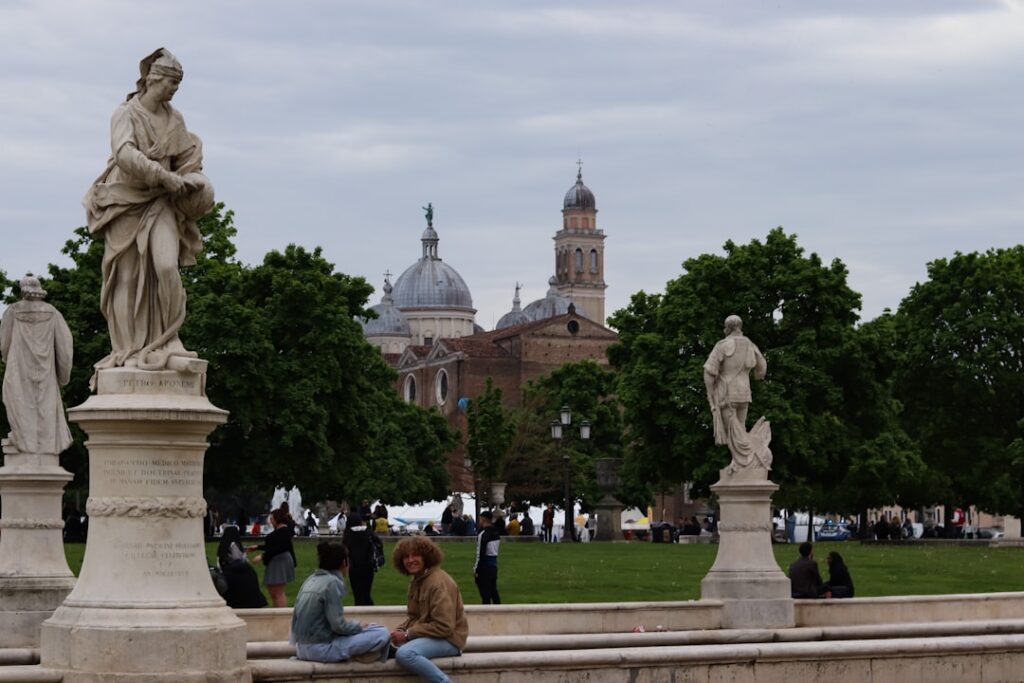






Introduction: A Walk in Giardino degli Eremitani — a haven of art, calm and nature in Padua
In the heart of Padua (Padova), a northeastern Italian city steeped in art and history, there’s a small green gem that blends artistic memory, botanical calm and urban life: the Giardino degli Eremitani. Just a stone’s throw from the city’s major heritage sites, this public garden is a must-stop when you’re exploring Padua’s museums, churches and historic squares. More than just a park, the Giardino degli Eremitani sits at the crossroads of tamed nature and art — a place where sculptures, archaeological remains and peaceful vantage points unfold away from the bustle of the shopping streets.
This detailed, guided walk will take you along the garden’s paths and its immediate surroundings, with practical pointers: exact addresses, opening hours, entrance fees for nearby sites, immersive descriptions and local tips to get the most from your visit. The garden is perfect for solo travelers, families, photographers and history buffs looking for a green break without leaving the historic center. You’ll learn how to combine a cultural morning (museums and the Cappella degli Scrovegni) with a picnic on the grass, or a late-afternoon stroll when golden light kisses Padua’s old stones.
In the immediate vicinity you’ll find must-see places such as the Museo Civico agli Eremitani (Civic Museum of the Eremitani), the Cappella degli Scrovegni famed for Giotto’s frescoes, and the wide esplanade of Prato della Valle. Giardino degli Eremitani is therefore an excellent starting point or finishing touch for a full city circuit. Here we’ll not only describe the garden’s sensory and visual experience — the rustle of leaves, seasonal scents, shady benches — but also provide concrete info: precise addresses, prices, opening times and practical tips to avoid the busiest hours, find a local café or plan a respectful picnic.
Finally, this guide goes beyond description: it suggests itineraries, seasonal alternatives, photo tips and recommendations for visitors with children or reduced mobility. Giardino degli Eremitani is best experienced slowly; the aim here is to give you everything you need to savor each moment, respect the site and get the most out of your visit, whether you have an hour or a full day in Padua.
1) Location, access and first impressions: how to get there and what to expect
Giardino degli Eremitani sits almost in the center of Padua, right next to the Cappella degli Scrovegni and the Museo Civico agli Eremitani, in the historic district. Practical addresses:
- Giardino degli Eremitani — Piazza Eremitani, 35121 Padova PD, Italy.
- Museo Civico agli Eremitani — Piazza Eremitani, 8, 35121 Padova PD, Italy.
- Cappella degli Scrovegni — Piazza Eremitani, 8, 35121 Padova PD, Italy (entry via the Scrovegni route — separate ticketing).
Getting there:
- On foot: from Padua train station (Stazione di Padova), expect a 20–25 minute walk through the historic center. It’s a pleasant route that crosses shopping streets and squares like Piazza delle Erbe.
- By tram/bus: several bus lines serve the area. Get off at the stop « Piazza Eremitani / Scrovegni » or « Prato della Valle » depending on your line. Urban tickets must be bought before boarding (ticket machines or kiosks): typical fare around €1.50–€1.80 for a single ride — check local ACTV/APS pricing.
- By car: the historic center has ZTL zones (limited traffic). If you drive, park in a public lot such as « Parcheggio Prato della Valle » (via Tommaseo area) or the underground car parks around the station and walk from there.
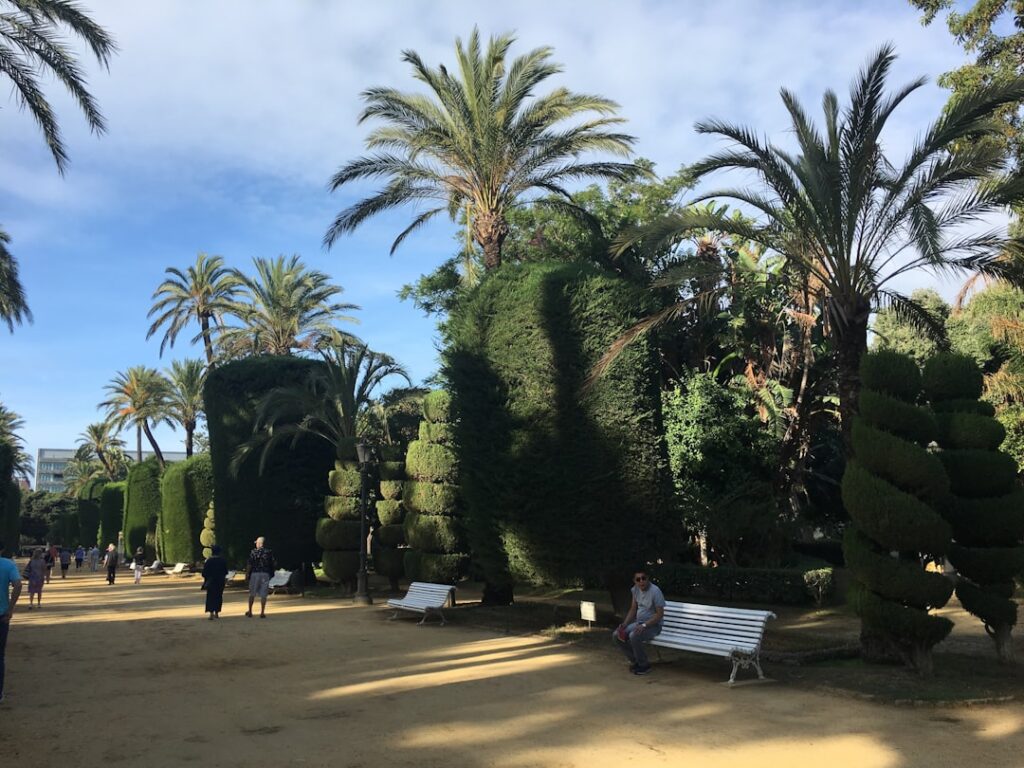
First impression: the garden is modest in size but well laid out, featuring lawns, tree lines, flower beds, some modern sculptures and archaeological remains integrated into the landscape. The atmosphere is especially peaceful early in the morning or late afternoon: the murmur of passersby fades, students and office workers come for a moment of rest, and photographers enjoy the soft light filtering through the foliage.
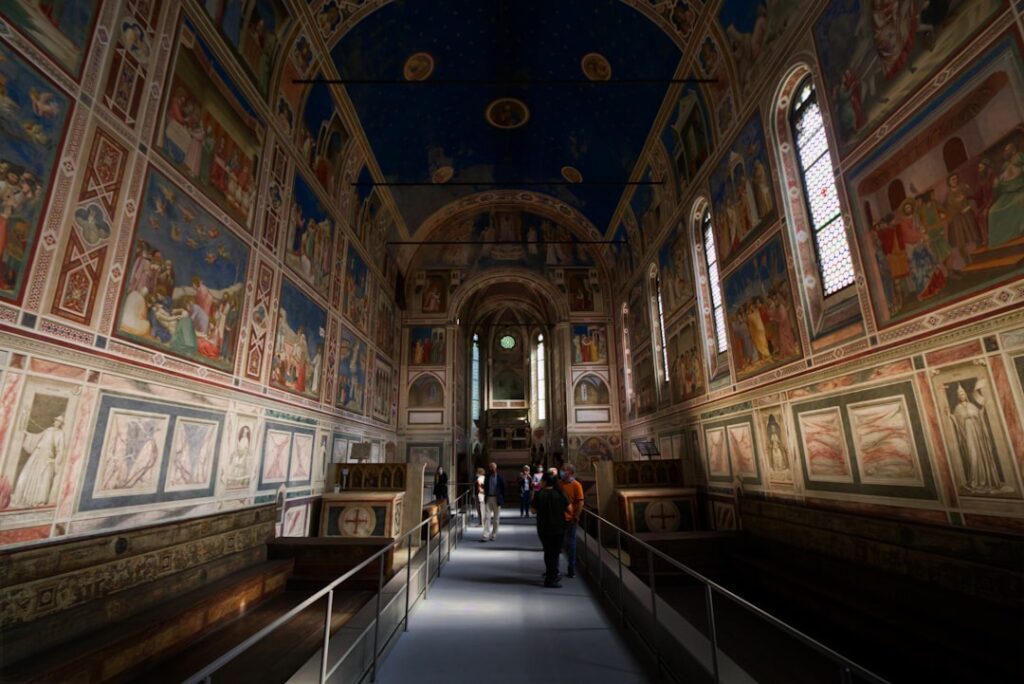
What to see first? If you arrive after visiting the Cappella degli Scrovegni (book ahead for the chapel), stroll slowly through the garden to let the intensity of the frescoes settle. Alternatively, starting with the garden will put you in the right frame of mind to visit the nearby museums with a calm, attentive mindset.
2) Points of interest around the garden: museums, chapels and complementary walks
Giardino degli Eremitani is located in a culturally rich area. Don’t miss the following sites (addresses, opening hours and prices are listed to help plan your visit):
- Museo Civico agli Eremitani — Piazza Eremitani, 8, 35121 Padova PD. Hours: Tuesday–Sunday 9:00–19:00 (closed Monday). Typical admission: €6.00 for standard entry (student and senior reductions available; combined tickets with other sites sometimes offered). The museum houses archaeological collections, medieval paintings and local history objects. You’ll appreciate the contrast between archaeological heritage and modern collections, as well as the architecture of the complex.
- Cappella degli Scrovegni (Scrovegni Chapel) — Piazza Eremitani, 8, 35121 Padova PD. Visits by reservation with timed entry; generally 9:00–19:30 with slots every 15 minutes depending on the season. Typical price: around €15.00 (includes entry and audio guide, varies with promotions). It’s essential to book online or at the ticket office in advance: capacity is limited to preserve Giotto’s 14th-century frescoes. The frescoes are considered one of the pinnacles of European painting.
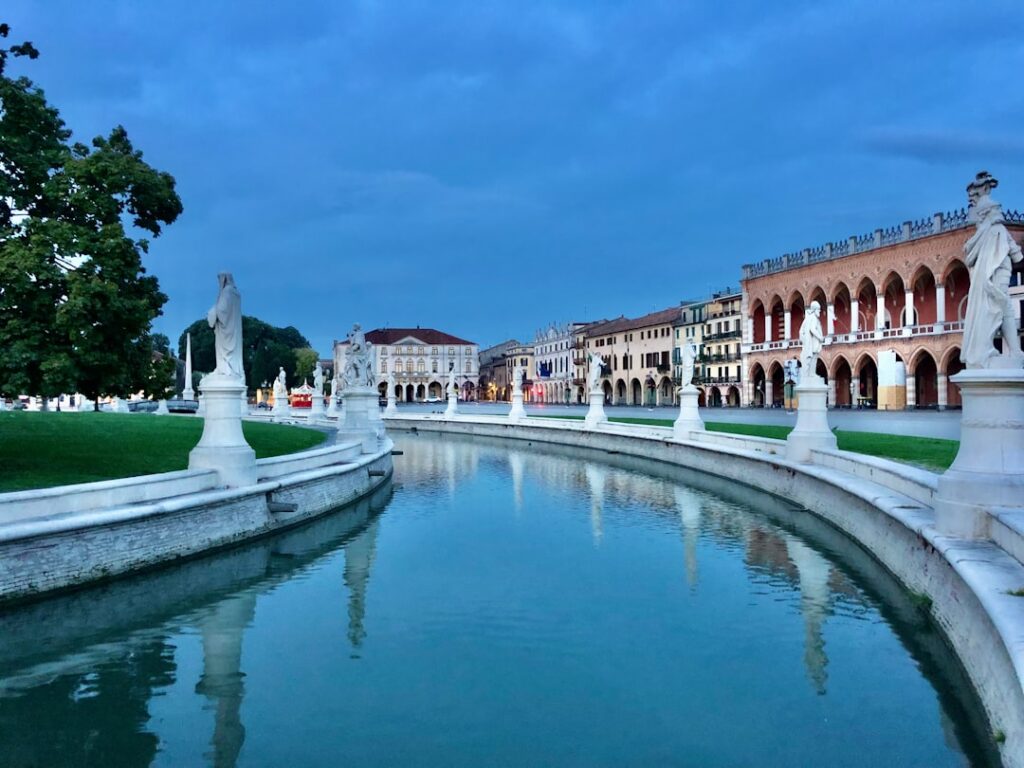
- Prato della Valle — Isola Memmia, 35121 Padova PD. A large square and esplanade open 24/7 and free to access. About an 8–10 minute walk from Giardino degli Eremitani. Perfect for a long stroll, exploring statues and canals, or a Sunday picnic.
- Basilica di Sant’Antonio di Padova (Basilica of Saint Anthony) — Piazzale del Santo, 35123 Padova PD. Hours: 6:00–19:00 (times vary with religious services). Access to the basilica is free (some chapels or adjacent museums may request a contribution). About a 12–15 minute walk from the garden.
Suggested route: start with the Cappella degli Scrovegni (book an early slot to enjoy the coolness and avoid crowds), then visit the Museo Civico agli Eremitani if time allows, and drift into Giardino degli Eremitani for lunch or a coffee break. Finish with a walk to Prato della Valle at sunset, when the light lingers on the statues and the canal’s surface.
3) Sensory and photographic experience: composition, seasons and little discoveries
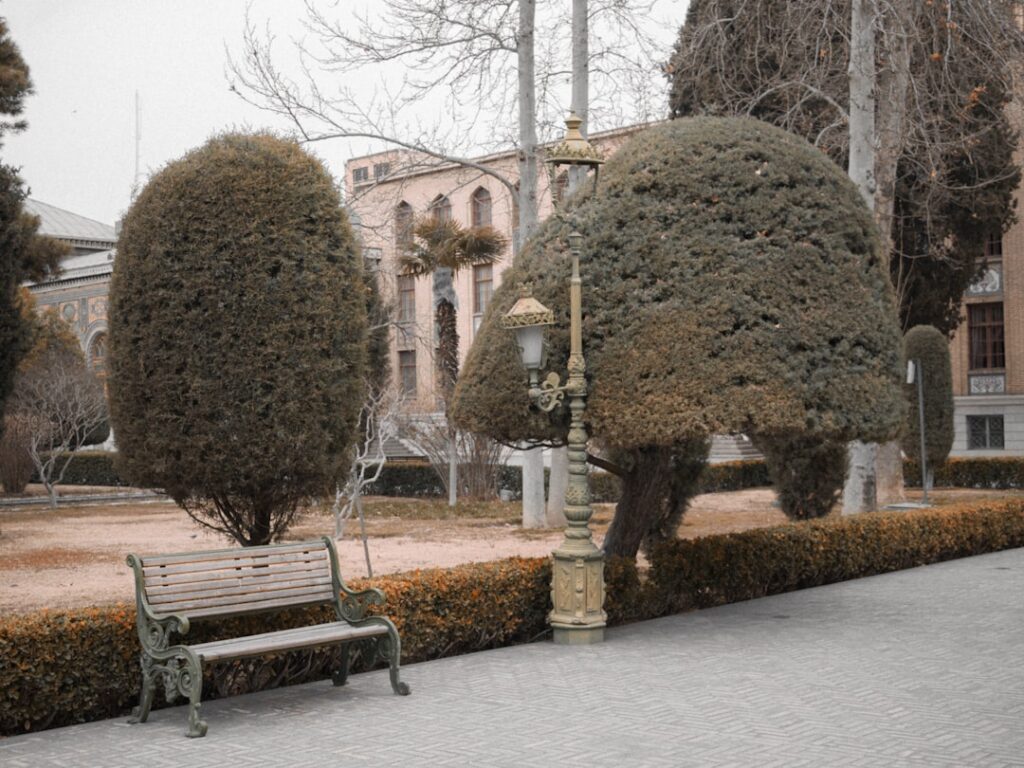
Giardino degli Eremitani offers a sensory palette that shifts dramatically with the seasons. In spring the flower beds burst with color and gentle fragrances: white blooms, roses and lavender planted near the paths dominate the scentscape. In summer, the tree canopy forms welcome shady pockets; sit on a bench to read or watch city life go by. Autumn dresses the garden in warm hues — ochre, red and yellow — creating striking photographic compositions. In winter, with low light and a quieter city, the bare silhouettes of trees and the garden’s statues form a dramatic contrast against the sky.
Photography tips:
- Shoot in the morning or late afternoon: favor the soft light windows (golden hour) for images rich in texture and depth.
- Include architectural elements: frame branches and statues against the Museo Civico agli Eremitani façade or the Cappella degli Scrovegni as a storytelling backdrop.
- Details and macro: don’t forget plants, lichens on stones, worn benches and engravings on memorial plaques — small items that reveal the site’s story.
- Human perspective: photograph passersby, a street musician or children running on the grass to give scale and motion.
Little discoveries: as you wander the paths you’ll sometimes spot commemorative plaques, fragments of Roman columns embedded in the ground, information boards about local flora, and scattered contemporary sculptures. Take time to read these notes: they provide valuable cultural context and highlight how the site has evolved over the centuries.
Accessibility and comfort: the site is mostly flat and suitable for families with strollers; however, some areas may have uneven surfaces (gravel, old slabs). Public restrooms are nearby (check current municipal arrangements). Bring a water bottle in summer and check for available benches if you need to sit frequently.

4) Practical tips, opening times, prices and local recommendations
To make the most of Giardino degli Eremitani and its surroundings, here’s a compact practical guide and some local tips:
- Garden opening hours: Giardino degli Eremitani is a public garden; hours vary with the season and municipal rules. Typical hours: open from 7:00 to 20:00 in the low season, and until 22:00 in summer (check the Comune di Padova for exact hours at the time of your visit).
- Pricing: access to the garden is usually free. Nearby sites have fees: Cappella degli Scrovegni about €15.00 (booking recommended), Museo Civico agli Eremitani about €6.00. Reduced fares may apply for students, young people and seniors, and cultural cards may grant discounts.
- Tickets and reservations: book the Cappella degli Scrovegni online (official site) to secure your slot. For Museo Civico and temporary exhibitions, check the Museo Civico agli Eremitani website or the Padua tourist information office (IAT).
- Best time to visit: April–June and September–October offer the best balance of pleasant weather and manageable crowds. July–August is hotter and can be busier with tourists.
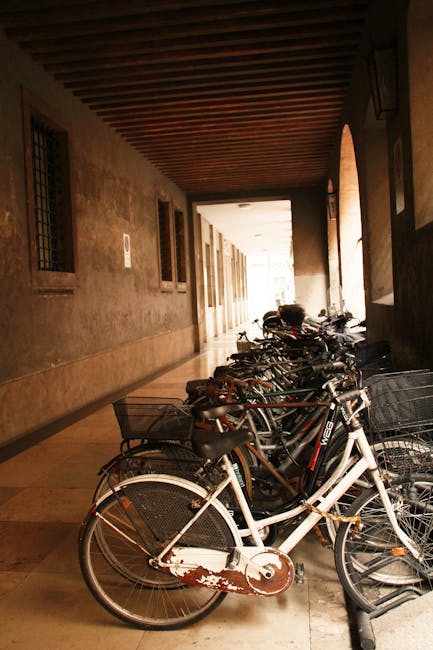
- Local transport: walking or cycling is preferable. Padua is very bike-friendly and many bike-sharing points are available. Trams and local buses cover the rest of the city.
- Where to eat: several cafés and trattorie are within a 5-minute walk. Traveler-friendly suggestions: Trattoria al Prato (approximate address: via San Francesco area) for traditional Padovan dishes, or small cafés around Piazza delle Erbe for a quick bite. Average lunch cost: €10–€20 per person at a local bistro; a gourmet meal ranges €30–€60 depending on the restaurant.
- Safety and rules: follow signage (do not pick flowers; dispose of rubbish in bins). The garden is generally safe; keep your personal belongings close as you would in any tourist area.
Local tips:
- Arrive early to enjoy the quiet and the ideal light for photography.
- If you plan to picnic, use designated lawns and bring a bag for your trash: the municipality keeps a close eye on cleanliness in green spaces.
- Combine your visit to the garden with a stop at a local gelateria: an artisan gelato on a garden bench is a simple, delicious memory.
- If it rains, head to the nearby museums: Museo Civico agli Eremitani is a good option to continue your cultural discovery indoors.
Conclusion: Why Giardino degli Eremitani is worth a visit — summary and final recommendations
Giardino degli Eremitani might not be the largest or the most famous park in Italy, but it holds a special place in Padua’s character. Thanks to its strategic location — backing onto the Museo Civico agli Eremitani and just steps from the Cappella degli Scrovegni — it serves as a breath of fresh air between cultural sites and the lively streets of the historic center. The garden offers a valuable contrast: immersion in urban nature while remaining at the heart of history and art. For observant travelers, it’s also a spot for small discoveries: fragments of antiquity, informative plaques and contemporary works that converse with the past.
Practically speaking, the success of your visit depends on good planning: book the Cappella degli Scrovegni if you plan to see it, choose a calm time slot for the garden (morning or late afternoon), and combine nearby sites for a full day out. The garden is ideal for a respectful picnic, an afternoon of reading in the shade, a photographic stop or simply a sensory pause in the middle of a historic city.
Finally, treat Giardino degli Eremitani as a base from which to explore other corners of Padua: Prato della Valle, the Basilica of Saint Anthony, medieval alleyways and local cafés. Locals appreciate the garden for its tranquility and proximity to cultural institutions — adopt the same habits: respect, slowness and curiosity. That way, your stroll won’t just be a checklist of monuments, but a true immersion in today’s Padua, attentive to its past and open to its nuances.
Safe travels and enjoy your walk — may your time in Giardino degli Eremitani bring you as much serenity as wonder.