





Introduction — Green Venice: Riverside Walks Around Padua
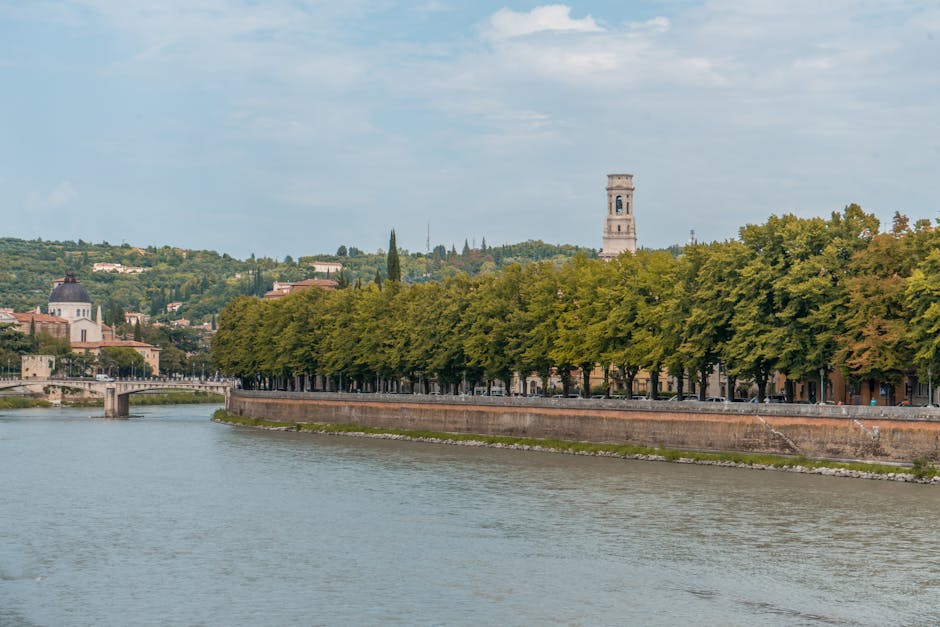
The Padua area, in the heart of Veneto, reveals a different northern Italy beyond Venice’s canals: a green Venice of shaded riverbanks, historic villas, tranquil shores and botanical gardens. Between Padua (Padova) and the lagoon, two main waterways shape a landscape rich in history and nature: the Bacchiglione, which runs through Padua’s center, and the Riviera del Brenta, a long ribbon of water lined with palaces and gardens between Padua and the Venetian lagoon. These riverside walks let you mix strolling, cycling, boat trips and cultural visits while enjoying lush vegetation — weeping willows, plane trees, reeds and water irises.
This general guide will walk you through step by step: walking routes, must-see spots with exact addresses, prices, opening hours, practical tips and recommended visits to make the most of each bank. Whether you want a relaxed half-day wandering along the Bacchiglione in Padua, a full day exploring the Riviera del Brenta villas by boat, or several stops to photograph gardens and architecture, you’ll find practical details and immersive suggestions here.
We’ll point out the best access points, suggested visiting times to avoid crowds, typical admission fees, and how to combine public transport with private services (water taxis, bike rentals). Green Venice is at its best outside the high season: spring and autumn offer soft light for photos, mild walking temperatures and aquatic blooms. Expect to meet locals — fishermen and gardeners — who add to the authentic atmosphere along Padua’s riversides.
This guide emphasizes the walk as much as the monuments; we’ll describe the sensations — the rustle of leaves, the scent of damp earth, the perspective of Baroque facades mirrored in the water — so you can picture each stop before you go. Practical information (addresses, prices, hours) is provided for the most visited sites and for a few lesser-known gems, to help plan a successful day or short stay in Padua’s green Venice.
1) The Bacchiglione in Padua: Urban Walks and Cultural Stops
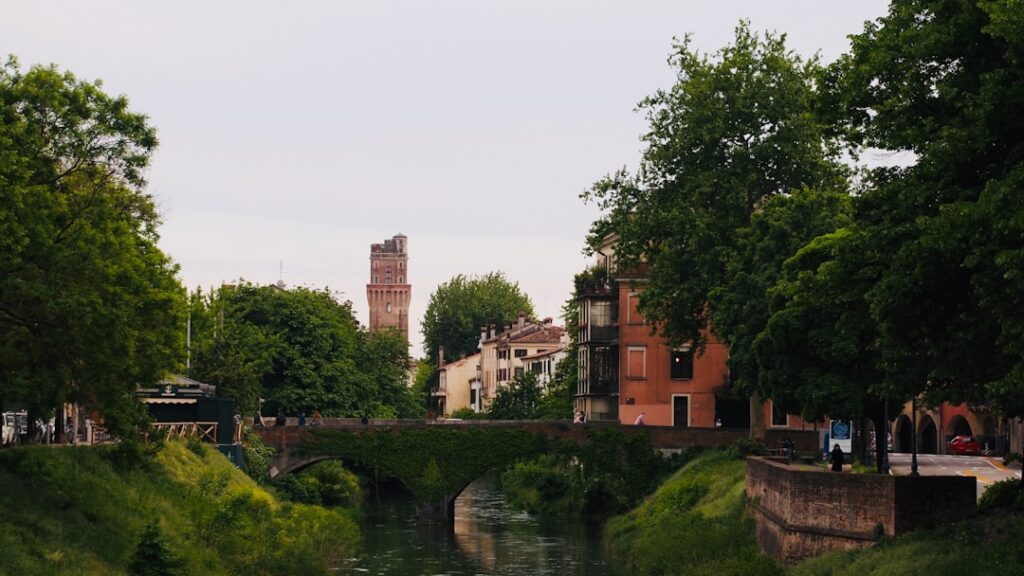
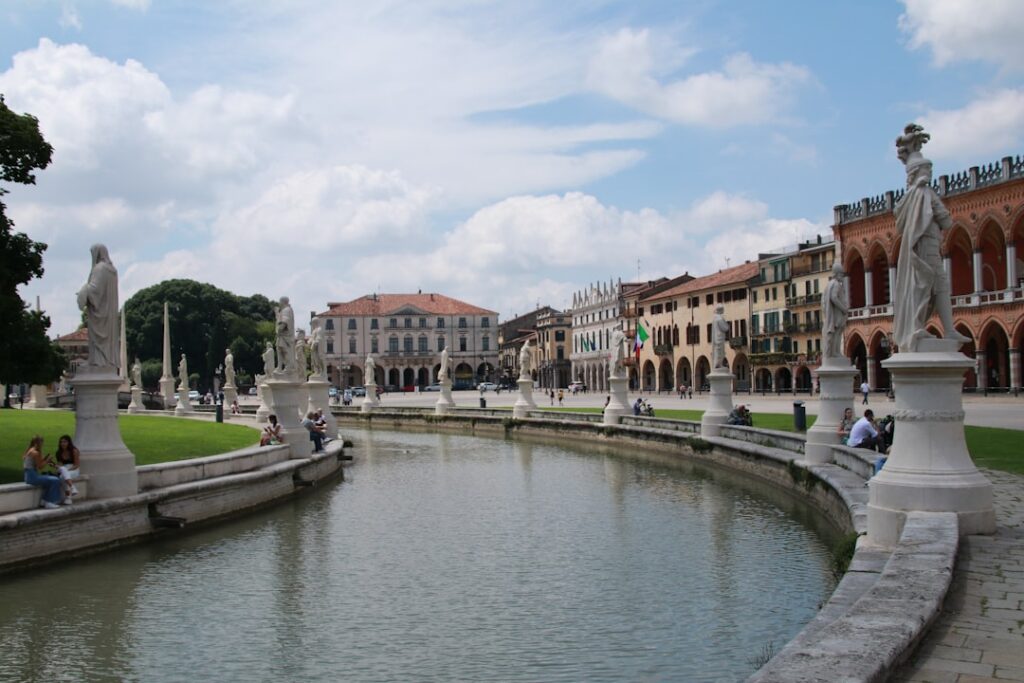
The Bacchiglione is the river that runs through Padua and shapes several easy urban walks accessible from the historic center. Start your route at Prato della Valle (Piazza del Prato della Valle, 35122 Padova PD), one of the largest squares in Europe, surrounded by an elliptical canal and a ring of statues that make for a perfect first encounter with water and greenery. The space is open 24/7 and free; it’s an excellent starting point for a morning stroll.
Continue northwest along Viale Codalunga and then Lungargine Portello, which run beside the Bacchiglione. Stop at the Palazzo della Ragione (Piazza delle Erbe, 15, 35122 Padova PD) for a dose of history: entry to the main hall and civic tower is around €6–€8 depending on exhibitions; typical opening hours are 9:00–19:00 (seasonal variations). A few minutes’ walk away, the Cappella degli Scrovegni (Via Antonio Caccianiga, 8, 35121 Padova PD) houses Giotto’s frescoes: booking in advance is strongly recommended, standard ticket roughly €15, timed entry slots apply, opening hours commonly 9:00–19:00 depending on season; tickets sold via the official site.
A natural detour: the Orto Botanico di Padova (Via Orto Botanico, 15, 35121 Padova PD), founded in 1545, is 10–15 minutes from the Bacchiglione and makes for a peaceful stop after your walk. Entrance fees usually hover around €6–€8, with variable hours (often 9:00–17:00/18:00 in high season). The garden features a succession of greenhouses, ponds and shaded paths — ideal for spotting aquatic plants and local trees.
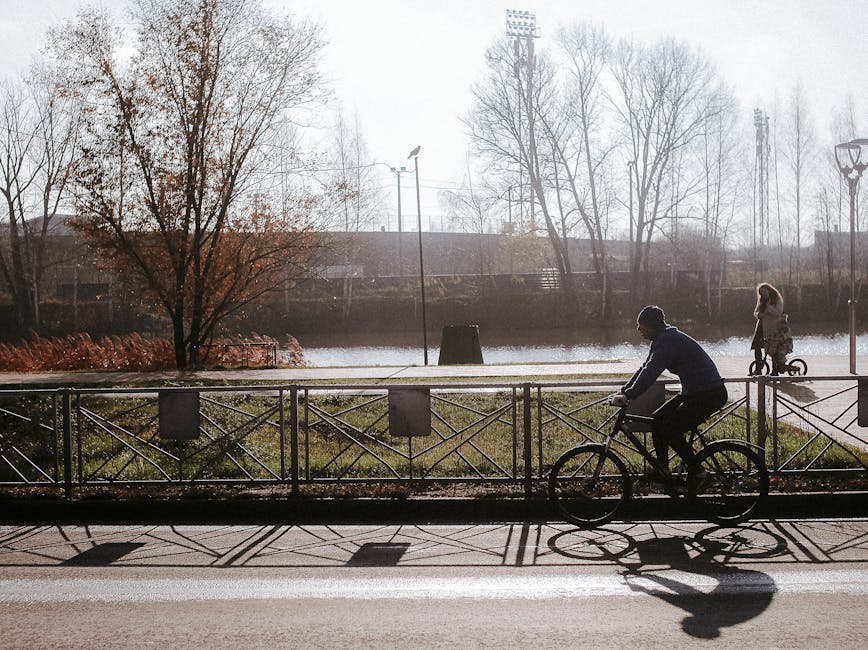
Practical tip: follow Lungargine San Nicolò on the south side of the center for less touristy views, where local cafés and small fishing boats add to the charm. Cyclists will find bike paths along many stretches of the Bacchiglione; renting a bike is recommended from Padova Bike or local shops, starting at about €8–€12 for a half-day. In the late afternoon the riverbank offers ideal light for architectural photography, with reflections dancing on the water.
2) The Riviera del Brenta: Villas, Boat Trips and Historic Walks
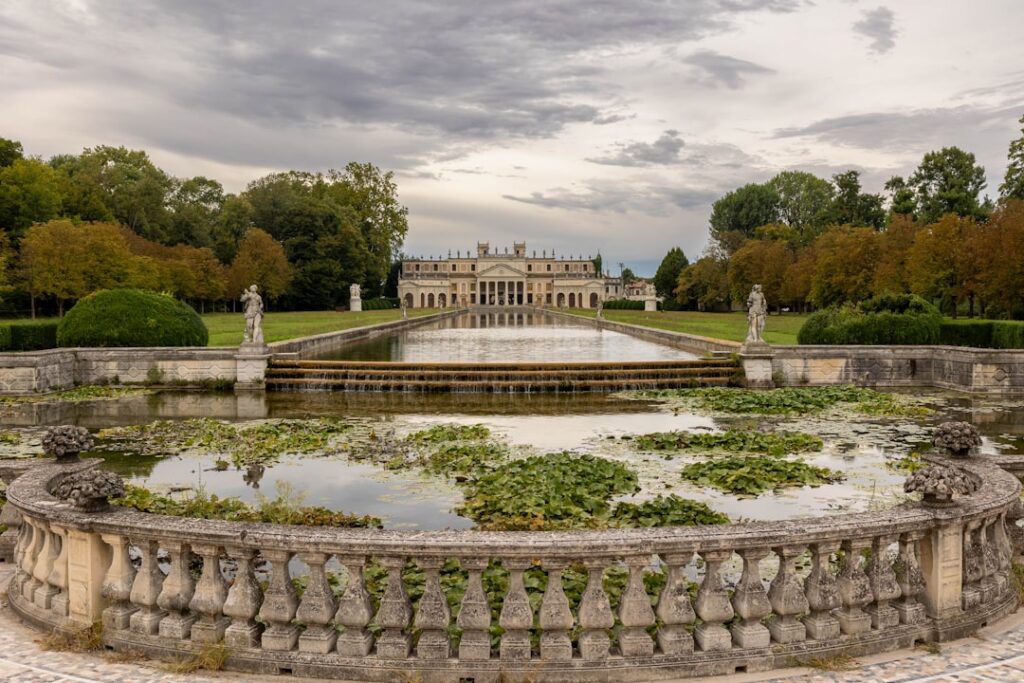
The Riviera del Brenta is the legendary waterway linking Padua to the Venetian lagoon, dotted with Venetian villas from the 16th to the 18th centuries that once housed noble families. The classic route starts in Stra, following the SS11 toward the lagoon, or even better, by taking a guided boat trip from Padua or Dolo. One major stop is the Villa Pisani – Museo Nazionale (Strà, Via Doge Pisani, 31, 30039 Stra VE): the museum is generally open from 9:00 to 19:00 (seasonal hours), with an entrance fee of about €10 for adults and €8 reduced. The gardens and the maze are must-sees for photos and that sense of escape.
Halfway along, visit Villa Foscari « La Malcontenta » (Via Doge Morosini, 1, 30030 Malcontenta, Comune di Mira, VE) — a Palladian masterpiece on the Brenta’s banks. Visits are often by reservation and guided tours; fees vary (around €8–€12 depending on exhibitions), with hours subject to weekend bookings. Another gem is Villa Widmann in Mira, rich in frescoes and gardens, commonly included in Riviera itineraries.
How to travel by boat: local companies offer shared and private cruises along the Brenta. Indicative prices for a 3–4 hour shared excursion range from €30 to €70 per person, while private tours can cost €200–€450 depending on duration and boat size. Well-known operators include « Navigazione Brenta » and local agencies in Stra and Dolo (booking recommended, especially in high season). Main boarding points are Piazza Antenore in Padua for departures and the fondamenta at Stra for local services.
Local tips: start early to beat the summer heat and favor late afternoon for soft light on the façades. Photographers should aim for backlit views that bring out fresco details and watery mosaics. For an authentic lunch, try the canal-side trattorias: freshwater fish dishes and typical Venetian plates are common (average price €20–€35 per person).
3) Lesser-Known Banks and Waterway Walks: Villages and Nature
Beyond the main tourist routes, Padua’s riversides hide wilder sections and charming villages worth stopping for. Head along the Bacchiglione toward Battaglia Terme, where the terrain changes and the Euganean Hills rise on the horizon. The center of Battaglia Terme (Piazza Porta Padova, 35041 Battaglia Terme PD) is known for its thermal waters and river canals; walks around the lakes and thermal parks make for relaxing breaks after a long walk.
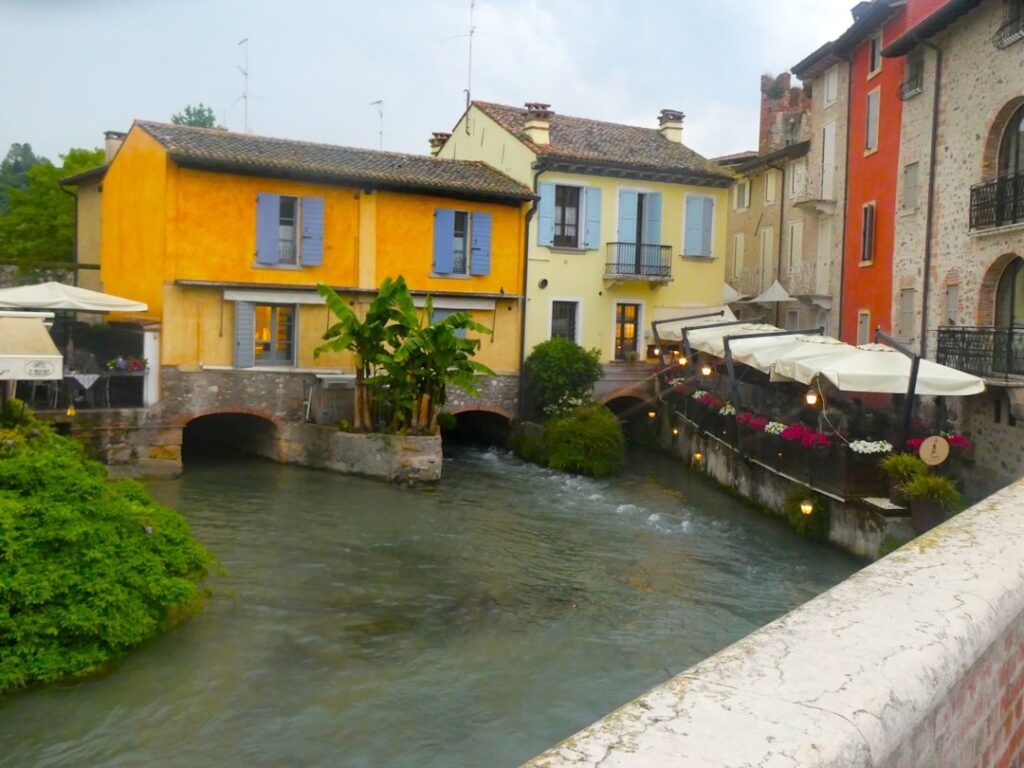
Further east, the small town of Dolo (Riviera del Brenta) keeps a preserved riverside charm: colorful façades, low bridges and landing stages. Stroll along the lungobrenta, stop at a caffetteria for a spritz and cicchetti, and notice the little bookshops and art galleries dotting the route. Dolo is a good spot to rent a bike or a small boat to explore at your own pace (approximate rental costs: bike €10–€15 per day, boat/hour €25–€40).
For wildlife and plant lovers, look for wetland areas near mouths and side channels: yellow irises, water lilies and waterbirds — herons, ducks and sometimes cranes. Best observation times are early morning and dusk. Bring binoculars and respect the quiet of these habitats.
Safety tip: some banks are natural and can be slippery after rain. Wear closed, non-slip shoes for dirt paths. If you follow a path along a private canal bank, check public access or ask for local permission. Also carry water, a hat and sunscreen in summer; in autumn bring a light waterproof jacket.
4) Combined Routes: Walk, Bike and Boat for a Full Day
To fully experience Padua’s green Venice in a day, combine walking, cycling and boating in a balanced itinerary. Example recommended route: an early start in Padua (Prato della Valle) for a short visit to the Orto Botanico (Via Orto Botanico, 15, 35121 Padova PD), then rent a bike (several shops in the center, prices around €10–€18 per day). Follow bike paths toward Stra via the Bacchiglione and the Riviera del Brenta, stopping to visit Villa Pisani (Via Doge Pisani, 31, 30039 Stra VE).
In Stra, book an afternoon cruise along the Brenta (typical duration 2–3 hours, approximate cost €30–€60 depending on the package). Shuttles usually depart between 14:00 and 16:00 in high season; check times with your chosen operator. You can disembark at Mira or Malcontenta to visit Villa Foscari (La Malcontenta) and continue walking along the banks to Dolo, before returning to Padua by regional train (most convenient station: Padova Centrale; regional fares around €3–€6 depending on distance).
Practical transport info: Trenitalia regional trains and local buses connect Padua with Stra and Dolo. Look up schedules on trenitalia.com and on local service sites (ACTV for the Venice area). Boat reservations are recommended in season: most operators accept card and cash; bring some coins for small purchases in villages.
Tips for a successful day: carry a paper map or an offline app, as some stretches may lack mobile signal. Check museum opening times the day before and arrive 15 minutes before closing to enjoy them without rush. Pack a small picnic with local specialties (prosciutto, cheeses, focaccia) to eat on a riverbank or in a public garden. Finally, wear comfortable shoes and travel light — you’ll be switching modes and will appreciate the freedom to stop wherever you like.
Conclusion — Why Choose Padua’s Green Venice for Your Walks
Padua’s green Venice offers a complementary experience to classic Venice: it’s quieter, more accessible and boasts diverse landscapes. Between Padua and the Riviera del Brenta, walkers find a balance of nature and cultural heritage, where medieval bridges, Palladian villas, botanical gardens and wild riverbanks follow one another. Walks along the Bacchiglione and Brenta suit every pace — gentle strolls, bike rides or escapes aboard a historic boat.
This guide has given you precise addresses (Prato della Valle, Piazza delle Erbe 15 for Palazzo della Ragione, Via Antonio Caccianiga 8 for the Cappella degli Scrovegni, Via Orto Botanico 15 for the Orto Botanico, Via Doge Pisani 31 for Villa Pisani, Via Doge Morosini 1 for Villa Foscari / La Malcontenta), typical price ranges (museum entries €6–€15, rentals and cruises €10–€60 depending on the option) and general opening hours. Keep in mind these details can change with seasons and special events; it’s best to check official sites of monuments and navigation operators before you travel for current schedules and availability.
To get the most from Green Venice, choose less crowded periods (spring and early autumn), combine walking and boating for varied perspectives, and don’t hesitate to chat with locals: fishermen, gardeners and restaurateurs bring these banks to life. Finally, respect natural areas — stay on marked paths, take your rubbish with you and avoid disturbing wildlife. That way, your riverside walks around Padua will become lasting memories, full of images, scents and calm.