





Introduction — Savoring Coffee the Old-School Way in Padua
Padua (Padova), a university city of age-worn arcades and bustling squares, is the perfect stage for anyone wanting to drink coffee the old-fashioned way. Here, the coffee ritual isn’t just a morning necessity but a slow ceremony: thick cups, tight crema, exchanges of glances at the bar, and conversations that stretch like clouds over a lazy day. From the Basilica of Sant’Antonio to the Prato della Valle and the university lanes, several establishments have preserved the atmosphere, crockery and recipes of yesteryear — some since the 19th century — and stand as anchors of the city’s social and cultural history.
This article offers an immersive route to drinking coffee as people did long ago. We’ll visit the historic temples of caffeinated consumption, describe the vibe, décor, prices, opening hours, and share practical tips (where to sit, what to order, and the best times to avoid crowds). We’ll also touch on small side pleasures: house pastries, reading the local paper, or visiting nearby monuments to extend your afternoon. Each place listed keeps a strong identity — marble counters, worn wood, mirrors, framed portraits — that takes you back to a time when people truly savored a moment.
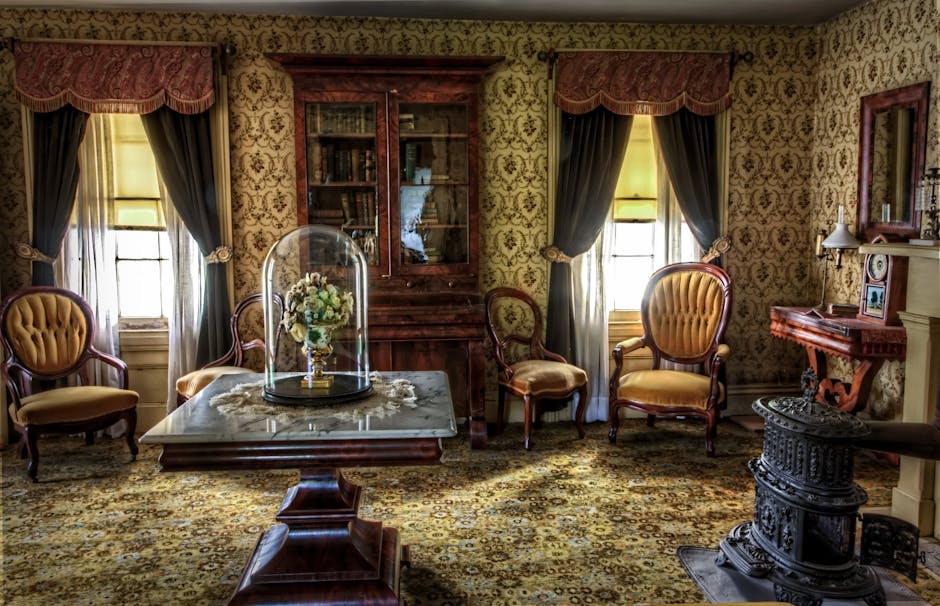
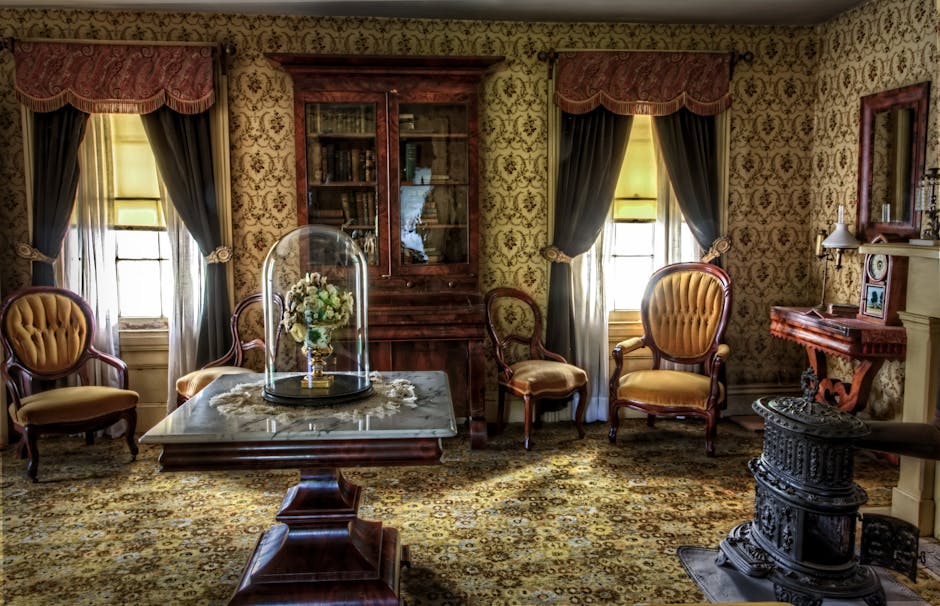
Drinking coffee « the old-school way » doesn’t just mean ordering an espresso. It means embracing a different pace: lingering, observing, listening to languages and voices; tasting sometimes-forgotten classics like caffè shakerato, an old-fashioned marocchino, or a cappuccino served in fine porcelain with a little biscuit. In Padua, some cafés still have handwritten menus, others display archival photos and restored espresso machines that purr like mechanical heirs to the 19th century.
This practical and narrative guide is for the traveler who wants to soak up Padua’s soul through the coffee ritual. You’ll find exact addresses, opening times to plan your visits, price indications, and local tips to make the most of every stop. So ready your palate and curiosity: between stone, art and the university, Padua offers a handful of cafés where people still drink « the old way. » Follow the route, let the aromas of roasting and the drifting conversations lead you — you’re about to learn how to drink coffee Italian-style, but as living heritage.
Before we start, a few practical notes: listed prices reflect the typical cost for a bar coffee and can vary slightly by season or house policy; opening hours are given as a general reference and it’s wise to check online or by phone if you plan to visit on holidays or in low season. Now let’s move on to the unmissable spots for tasting coffee in Padua’s traditional style.
Caffè Pedrocchi — The City’s Historic Drawing Room
Caffè Pedrocchi is undoubtedly Padua’s quintessential historic café, often dubbed the city’s « drawing room. » Located in the heart of Padua, right next to the landmark neoclassical building, its address is Piazza Pedrocchi 1, 35122 Padova PD. Founded in the early 19th century, it has long been a meeting place for students, artists, intellectuals and politicians. The interior mixes woodwork, marble, chandeliers and named salons, staying true to the spirit of the past while welcoming a cosmopolitan crowd today.
Typical opening hours: usually open daily from 08:00 to 20:00. Hours may vary by season; the reading room and certain salons may have different schedules. Indicative prices: espresso at the bar around €1.50 — €2.00, cappuccino €2.50 — €3.50, handcrafted pastry €2.50 — €5.00. For a small traditional coffee at the counter you’ll rarely pay more than €3.
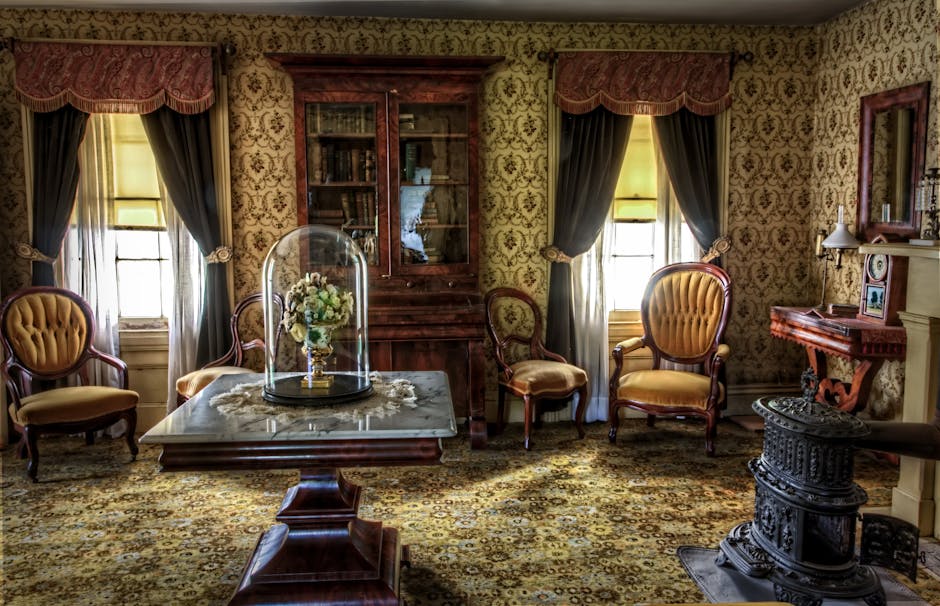
Ambience and immersive description: stepping into Pedrocchi is like entering an artistic interlude. The main counter, always lively, displays a ballet of uniformed servers and patrons reading newspapers at small low tables. The café keeps historic rooms — red, green and white salons — each with paintings and period furniture. The hum of the grinder and the old espresso machine blends with the clink of porcelain cups. In spring, the terrace overlooking Piazza Pedrocchi is ideal for watching students and tourists come and go, while on a winter evening the warmth of the salon invites long conversations.
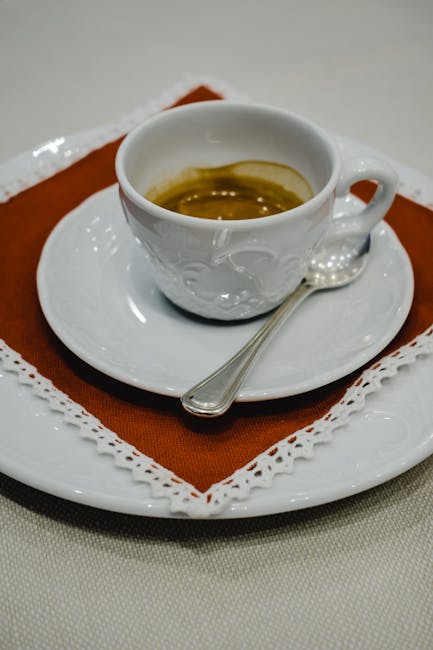
Practical tips: for the full « old-school » experience, order your espresso at the counter and ask for it in a demi-porcelain cup; then, if a historic salon is available, settle there. Avoid peak hours (between 12:30 and 14:30 and between 18:00 and 19:30) if you prefer a quieter vibe. If you love history, don’t miss exploring the café’s corners and asking staff for anecdotes about famous figures who frequented the place. Pedrocchi sometimes hosts temporary exhibitions and chamber music concerts — check the program at the entrance.
Caffè degli Specchi and Piazza della Frutta — Coffee, Mirrors and Tradition
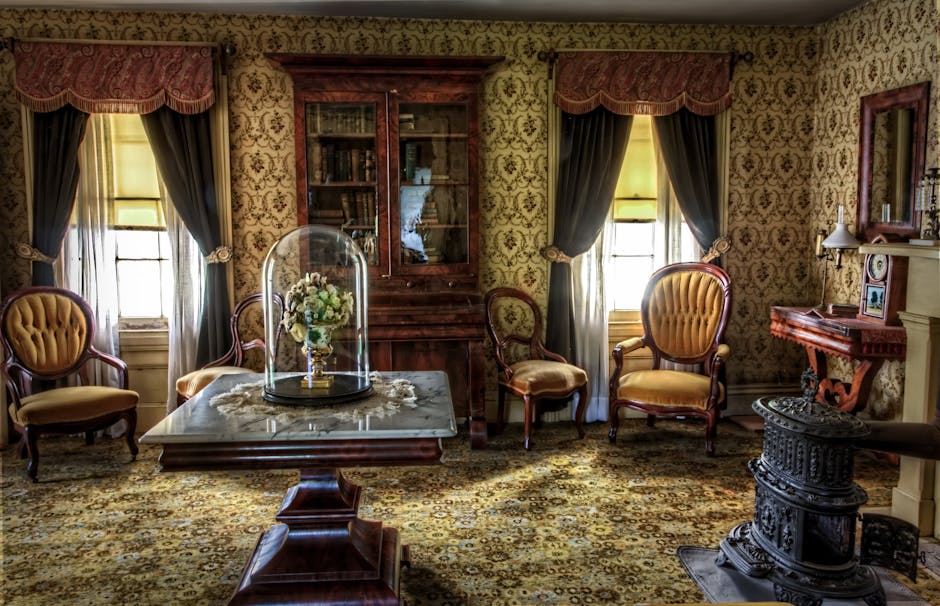
Caffè degli Specchi is another must-visit for lovers of Padua’s old-world atmosphere. Located on the historic Piazza della Frutta / Piazza dei Signori, its address is Piazza dei Signori 7, 35122 Padova. Often called « degli Specchi » in reference to the large mirrors adorning its walls, the café has retained a restrained elegance: patinated marble, leather banquettes and a service style reminiscent of late 19th-century cafés.
Typical opening hours: daily from 07:30 to 23:00; some weekends may extend to midnight. Indicative prices: espresso at the bar €1.20 — €1.80, cappuccino €2.00 — €3.00, full breakfast (coffee + pastry) €4.50 — €7.00. Caffè degli Specchi also offers gourmet coffees and light savory snacks during the day.
Description and ambience: the entrance opens onto the square where a market takes place on certain days, making the café a perfect vantage point on Padua life. Inside, the mirrors amplify the light and create a feeling of intimacy and elegance. The counter is often animated by regulars: professors, students, local shopkeepers. Bar service is quick and ritual — the bartender often remembers regular orders by heart. The furniture, though restored, bears signs of wear that testify to long use, which enhances the old-fashioned charm.
Practical tips: pick a table by the window to enjoy the square’s spectacle, especially in the morning. For a more authentic experience, order « un caffè al banco » (an espresso at the counter) and chat briefly with the server — you’ll often hear a local anecdote. If you’re visiting in the afternoon, try a « caffè shakerato » for a refreshing twist, or the « bicerin » if available — a historic mix of coffee, chocolate and cream often served in vintage glasses. Note: sitting inside may cost slightly more than drinking at the counter.
Other Spots and Routes for Old-School Coffee — Streets, the University and Pastry Shops
Beyond the two institutions mentioned, Padua is full of small places that keep the coffee ritual alive. Here’s a selection of venues and routes to extend your quest for coffee « the old way. » Each place has its own story and offers variations on the theme: tight espresso, cappuccino in porcelain, or artisanal pastries served alongside a slow coffee.
1) Bar Centrale / Via Roma (for example Via Roma 45, indicative address): traditional bars near the faculties offer cheap coffee and the typical student atmosphere. Hours: often open from 07:00 to 20:00. Price: espresso €1.00 — €1.50. Tip: come early to catch student conversations and observe university routine.
2) Artisanal pastry shops on Via Altinate (take time to explore the historic bakeries along Via Altinate): pasticcerie offer dry biscuits and almond pastries that pair perfectly with an espresso. Hours: 07:30 — 19:30; pastry price €2.00 — €4.00. Tip: pair your coffee with a warm sfoglia or a ricotta cake for a period-appropriate treat.
3) Cafés around the Basilica of Saint Anthony (Basilica di Sant’Antonio, Piazza del Santo): these places benefit from a steady flow of pilgrims and visitors. Suggested location: cafés along Via del Santo. Hours: 07:00 — 21:00. Price: espresso €1.20 — €2.00. Tip: favor the bar if you want to feel the local atmosphere; avoid the most touristy terraces if you’re seeking authenticity.
4) University route: start at Caffè Pedrocchi, walk toward Palazzo del Bo (the historic seat of the University of Padova, via area near 8 Febbraio), cross Via Altinate and finish in a small pasticceria for something sweet. This route offers a two-hour historical and culinary immersion. Tip: bring a small map or use an app to spot the commemorative plaques and the inner courtyards that are often open.
Ambience and immersive description: wandering these streets, you’ll notice small mechanical espresso machines, carved wooden benches and display windows full of biscuits. Servers, often used to the same faces for years, adopt a familiar tone. Coffee at the counter is cheap, but plentiful in experience: a moment of observation and social bonding almost forgotten elsewhere. These secondary addresses also reveal regional variations in coffee: strength, grind and an appetite for conversation.
Practical Tips for an « Old-School » Tasting — Etiquette and Handy Addresses
To make the most of the old-school coffee experience in Padua, here are practical, local tips. They cover etiquette, drink choices, time management and money-saving hacks, plus ideas to prolong the historic ambiance.
1) Start at the counter: in many historic venues it’s best to order « al banco » (at the counter). It’s usually cheaper and gives you a genuine feeling of being part of local life. Espresso at the counter: €1.00 — €1.80; seated at a table: often +€0.50 to +€1.50.
2) Order like a local: say « un caffè » to order an espresso; « un cappuccino » is strictly a morning drink for many Italians (avoid after 10:30 if you want to respect local customs). For a traditional-style drink, ask for « un caffè lungo » (a lighter long coffee) or a « marocchino » (espresso with milk foam and cocoa) if available.
3) Payment and tipping: in Italy, service is generally included. You can leave some change for exceptional service, but tipping is not mandatory. Always have coins ready for quick bar payments.
4) Best times to visit: morning (08:00–10:30) for the university and market vibe; late afternoon (16:00–18:00) for the post-nap « caffè » hour; evening if you enjoy musical salons and public readings (check historic venues’ schedules).
5) Cameras and respect: take photos, but be discreet inside historic salons. These spaces remain places of work or reading for some regulars. Ask before photographing staff.
6) Combine sightseeing and coffee: plan to visit the Basilica di Sant’Antonio (Piazza del Santo), Palazzo della Ragione (Piazza delle Erbe) and Prato della Valle before or after your coffee break. This integrates the tasting into a full cultural loop.
7) Cultural programs: look into concerts at Caffè Pedrocchi or temporary exhibitions — they sometimes host « coffee-concerts » that recreate the spirit of literary salons of the past.
Conclusion — The Coffee Ritual, Padua’s Living Memory
Drinking coffee « the old-school way » in Padua isn’t just ingesting a dose of caffeine: it’s stepping into a shared story where each cup tells a page of local history. From Caffè Pedrocchi to Caffè degli Specchi, and through small patisseries along Via Altinate or near the Basilica di Sant’Antonio, the city offers moments of contemplation, exchange and simple pleasure. The fixtures — marble counters, mirrors, banquettes, historic espresso machines — and the service customs help create an atmosphere that elevates consumption into a cultural experience.
This guide has given you addresses, opening hours, indicative prices and practical tips to optimize your coffee breaks in Padua. Now it’s up to you to follow the route that suits your pace: stand at the counter for a quick, nervous espresso like a student, settle in a decorated salon for an afternoon of reading, or build a mini-tour combining monuments and cafés tied to the university and civic life. Remember every establishment has its golden rules: respect opening times, adopt the counter habit if you want to save, and let conversation carry you — it’s often the best seat to feel Padua’s soul.
Finally, keep in mind that prices and hours can change slightly: check the latest info online or call the venue before visiting, especially if you plan your trip during festivals or holidays. Above all, take your time — that’s exactly what the cafés of the past invite you to do. In Padua, coffee is a historical and social pause: savor it, listen to the conversations, let the city be told to you through its cups, and come back — in Padua, every café has a story and every cup a memory.