




Introduction: Literary cafés and the stories of Padua
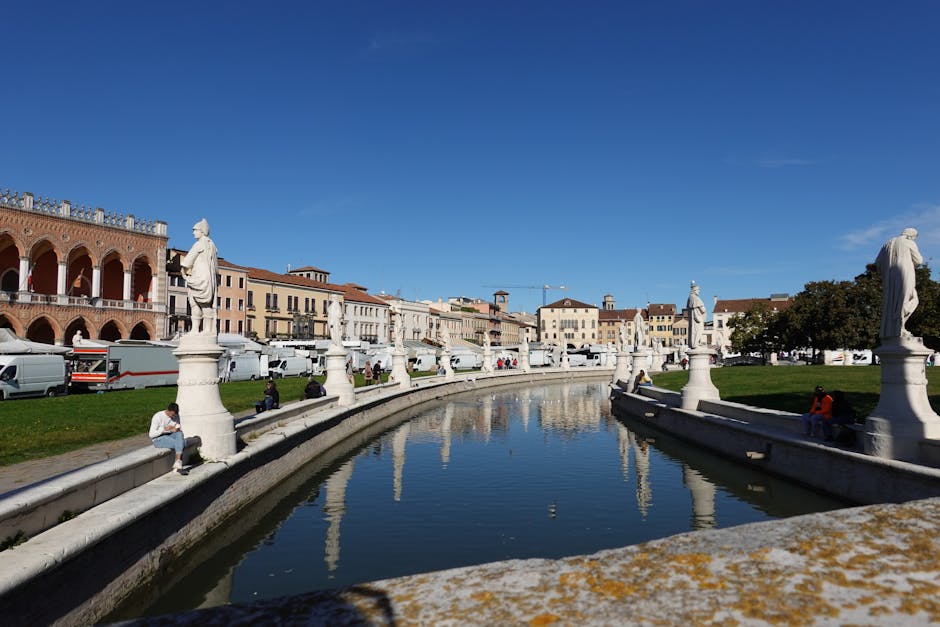
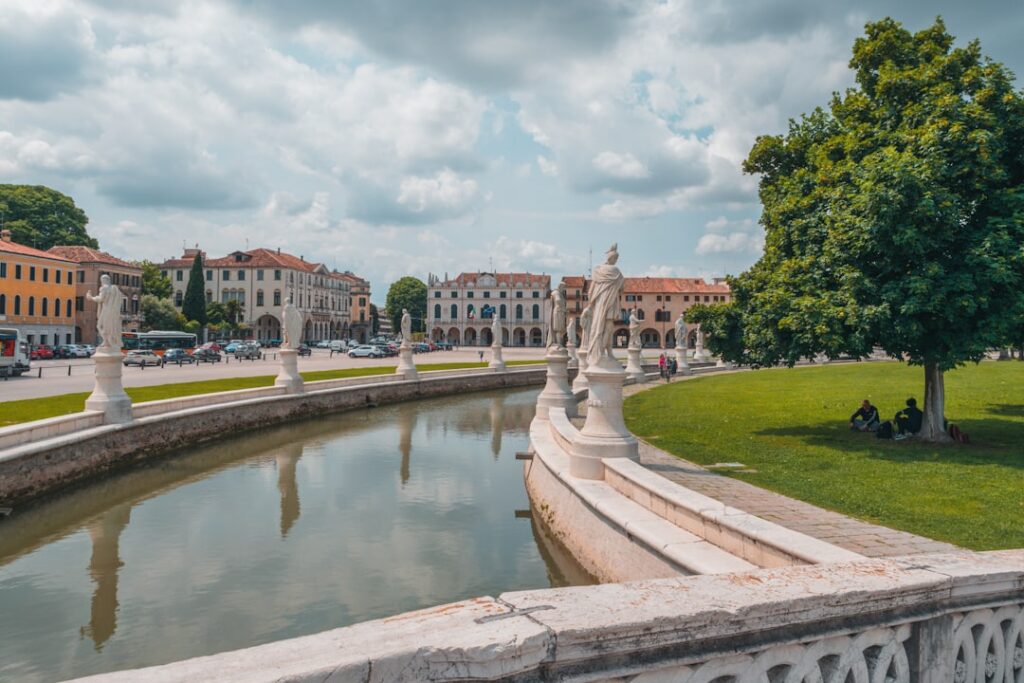
Padua (Padova in Italian) is a city where culture, university memory and café life intersect on every corner. Famous for its University of Padua, founded in 1222, and the Basilica of Saint Anthony, the city has cultivated over the centuries a strong tradition of spaces for conversation, reading and intellectual debate. Padua’s literary cafés are more than just espresso counters: they’re places where history is read in the woodwork, where students argue philosophy until dawn, and where local poets still pin flyers for reading nights on corkboards.
This guide offers a practical, immersive walk through Padua’s literary cafés and their stories: exact addresses, opening hours, indicative prices, sensory descriptions and insider tips. We’ll cover historic institutions like the Caffè Pedrocchi, small neighborhood cafés beloved by academics, bookshop-cafés where you can leaf through rare volumes over a cappuccino, and regular events — public readings, author meetups, translation workshops. The aim is to give you enough information to build your own literary route through Padua while keeping to the local pace: linger over a coffee rather than racing from sight to sight.
Expect detailed descriptions of interior architecture, menus and prices (listed in euros), typical opening hours and practical tips — how to pick the best table at Caffè Pedrocchi for morning light, where to find a power outlet to work on your novel, or which weekday poetry nights usually happen. Visual cues in the text will help you picture each place before you get there. This guide isn’t just for tourists: it’s also for readers, researchers and students looking for places to concentrate, be inspired and exchange ideas.
Caffè Pedrocchi: the historic institution and its intellectual whispers
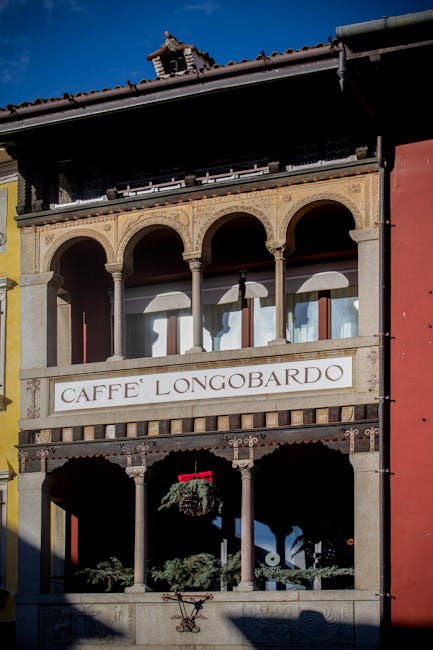
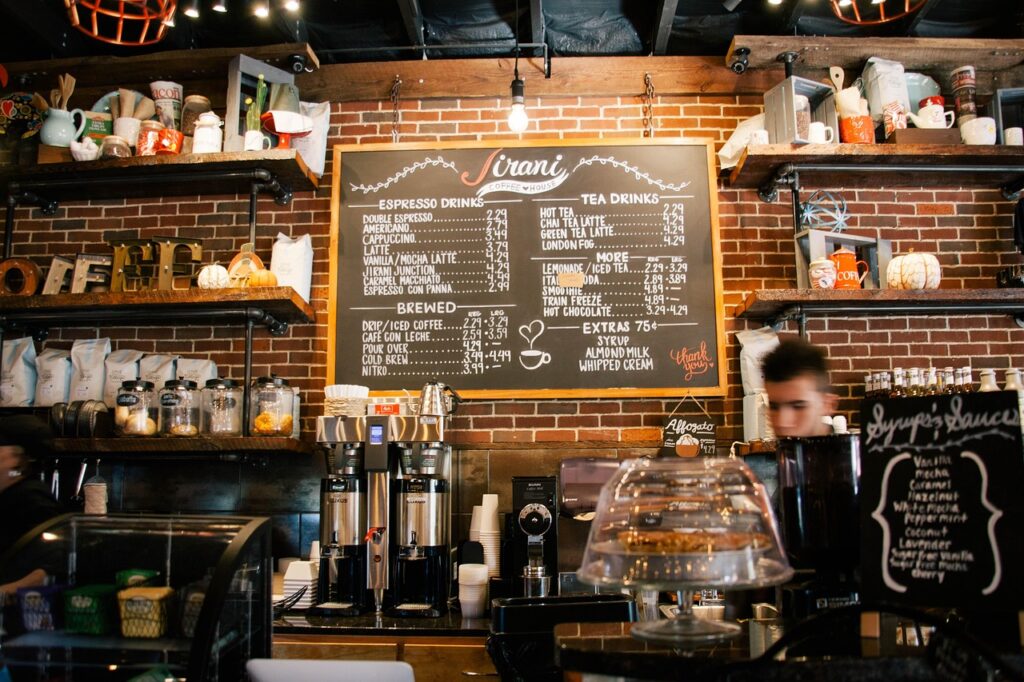
The Caffè Pedrocchi is often considered Padua’s literary and social heart. Located at Piazza Vittorio Veneto, 1, 35123 Padova PD, it occupies a neoclassical and eclectic building whose salons have been frequented by writers, politicians and academics since the early 19th century. The café is open every day; typical hours: Monday–Sunday: 07:30–19:30. Peak times are mornings (07:30–09:30) and lunch (12:00–14:00).
Menu and indicative prices: a single espresso costs around €1.50, a cappuccino €2.50, a house pastry €3.50–€5.00. The café also offers table service in some of the historic rooms with light dishes (salads, panini): mains range between €7.00 and €14.00. Prices can vary slightly depending on the room you choose (counter service is cheaper than table service in the historic salons).
Immersive description: on entering you immediately feel a place slightly out of time. Gilded mouldings, antique mirrors, worn sofas and marble tables create a setting made for reading. The walls sometimes display portraits of former regulars, and the acoustics preserve the murmur of conversation while allowing quiet, studious moments. For history buffs, the Stanza del Caffè Pedrocchi and its salons offer an overview of Padua’s social evolution: from 19th-century revolutionary gatherings to today’s cafés-philo.
Local tips: arrive early to secure a table by the windows overlooking Piazza delle Erbe; bring a notebook if you like to write — the morning light is excellent for jotting down notes. If you’d like a guided tour (building and salons), ask the staff; paid slots sometimes run (guided tours: €5–€8). In the evening some rooms close earlier, but the atmosphere remains friendly for a final drink.
Bookshop-cafés and reading spaces: where to find books and coffee in Padua
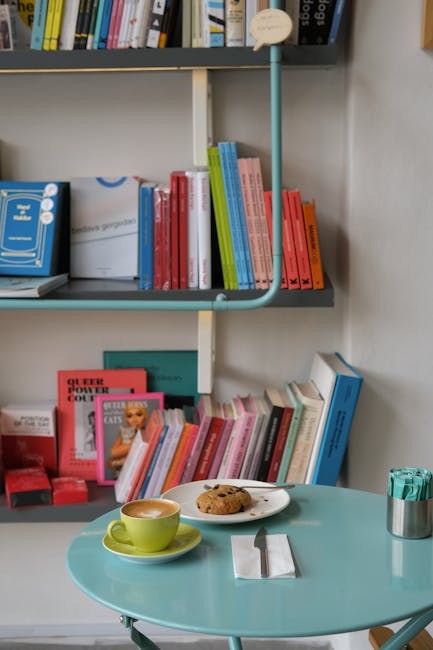
Padua has several bookshop-cafés and hybrid spaces where you can satisfy both a thirst for reading and a craving for good coffee. These places, often smaller and more intimate than the Pedrocchi, are ideal for literary research, writing sessions or simply browsing local titles. Here are some recommended spots, with practical details and atmosphere notes.
Libreria Pangea – caffè e libri
Address: Via San Gregorio Barbarigo, 2, 35122 Padova PD. Usual hours: Tuesday–Saturday: 10:00–19:30, Sunday: 10:00–13:00, closed Monday. Free entry, counter coffee: espresso €1.40, cappuccino €2.30. The place offers a selection of international literature, travel guides and contemporary novels. The café area is small (10–12 seats): hushed atmosphere, good for concentration.
Immersive description: dark wood, soft lighting and stacks of books that invite you to sit and get lost in a long read. Pangea regularly hosts author events (usually evenings — check their calendar or the notices on the door). Tip: reserve a seat if an event is listed — capacity is limited.
Feltrinelli Point Padova Bookstore
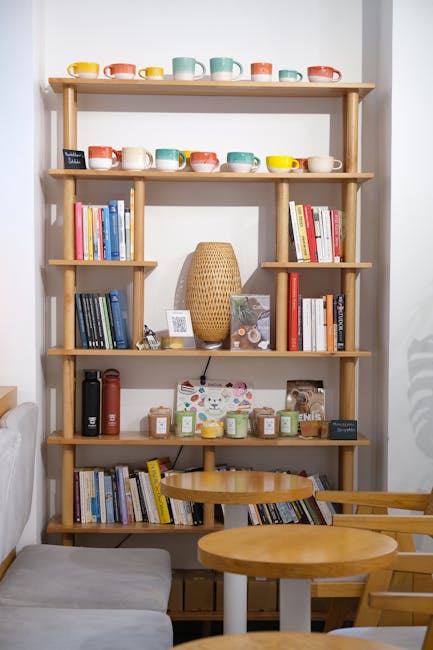
Address: Via Roma, 52, 35122 Padova PD. Hours: Monday–Saturday: 09:00–20:00, Sunday: 10:00–18:00. Integrated café (bar at the entrance): espresso €1.60, cappuccino €2.60. Feltrinelli is a chain, but this location is set up for students and professionals: large tables, free Wi‑Fi and power outlets. There’s also a significant selection of foreign-language books.
Immersive description: wide space, natural light and comfortable chairs for day-long study. Events — book launches, writing workshops — are frequent and well organized. Local tip: come outside of the university rush hours (11:00–13:00 or 15:00–17:00) if you need a quiet corner to work.
La Corte dei Miracoli – small literary café
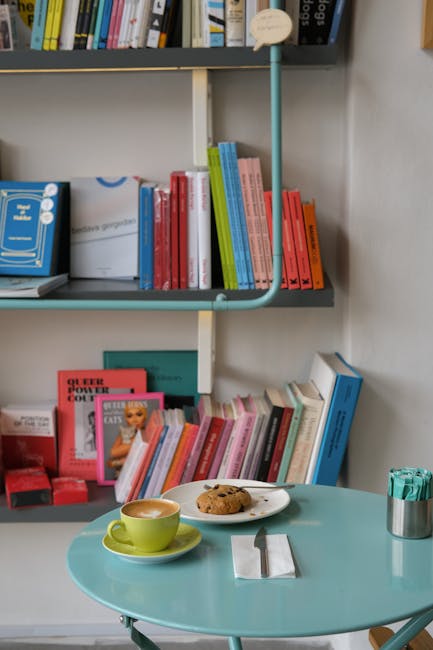
Address: Via delle Melette, 10, 35121 Padova PD. Hours: Tuesday–Sunday: 09:30–19:00, closed Monday. Prices: espresso €1.30, cappuccino €2.20, panini €5–€8. This independent book-café specializes in contemporary poetry and small-press editions. Bohemian vibe, poetry readings on Friday nights (often free entry or a suggested donation, €3–€7).
Immersive description: walls covered in posters, small wrought-iron tables, mismatched armchairs; it’s the kind of place you come to listen, chat and discover new writers. Tip: follow their social page to catch themed nights and consider bringing a book for the popular book-swap among regulars.
University cafés and student hangouts: where conversations turn into research
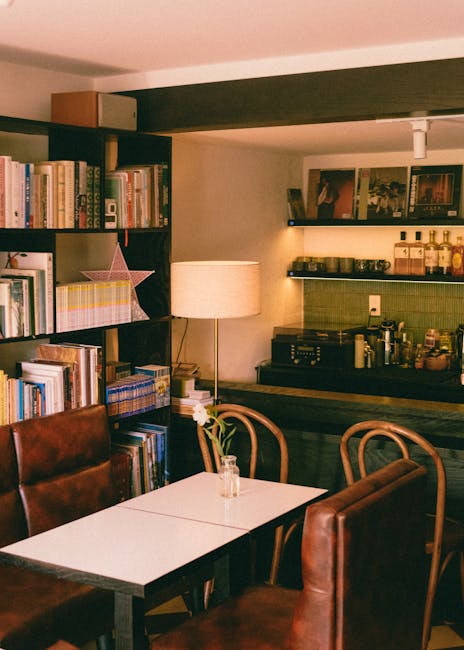
The University of Padua has shaped the city: in cafés near the faculties you can still hear the rustle of pages and academic debates. These spots are less touristy, often more budget-friendly, and perfect for those wanting to dive into local intellectual life.
Bar Al Santo (near Basilica di Sant’Antonio)
Address: Piazza del Santo, 11, 35123 Padova PD. Hours: Monday–Sunday: 06:30–20:00. Prices: espresso €1.20, cappuccino €2.00, cornetto €1.50. Located steps from the Basilica of Saint Anthony, this bar draws pilgrims, students and tourists. It’s busy from dawn, and the atmosphere is lively but respectful.
Immersive description: a classic Italian counter, metal stools and old photos of the city on the walls. Students grab a quick coffee before class, discuss seminars and swap notes. Local tip: it’s a good starting point for literary strolls around Prato della Valle and the historic center; ask the server for local recommendations — they love sharing university anecdotes.
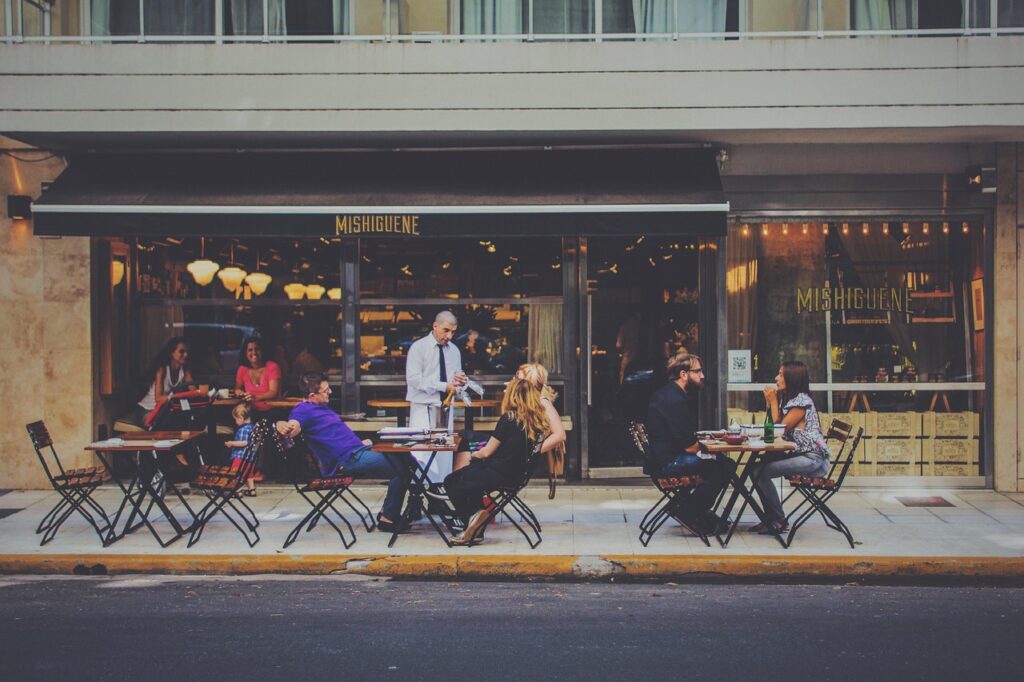
Caffè del Bo (University area)
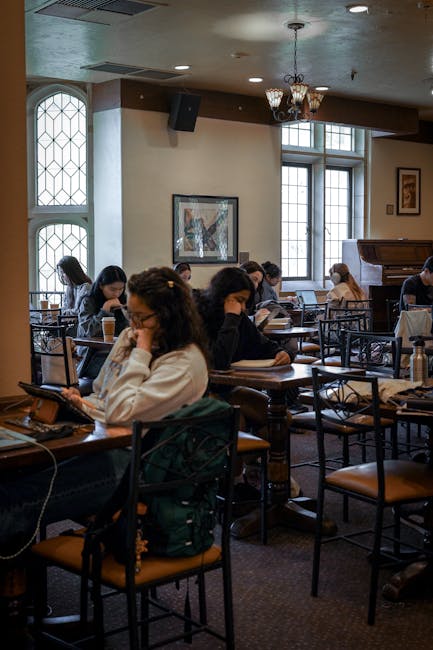
Address: Via VIII Febbraio, 2, 35122 Padova PD. Hours: Monday–Friday: 08:00–18:00, Saturday: 09:00–14:00, closed Sunday. Prices: espresso €1.30, cappuccino €2.20. Close to university buildings, this café serves as a meeting point for students and professors. Run locally, it often offers student discounts (student card = -10% on some items).
Immersive description: studious ambience, the hum of laptops and low conversations, chalkboard menus and homemade cakes. Tip: if you need a power outlet, get there early — tables with shared charging points fill up fast. To prep for a seminar, ask staff for a quieter corner; they know the class schedules and can suggest the calmest times.
Literary events, poetry nights and tips for taking part
For its size, Padua has a surprisingly full cultural calendar: from reading series to cafés-philo and author meetups. Here’s how to spot, plan and make the most of these events.
Where to look for events: check the noticeboards at the cafés listed (Libreria Pangea, La Corte dei Miracoli, Caffè Pedrocchi), scroll the Facebook pages of local bookshops (Feltrinelli Padova) and the Università degli Studi di Padova websites (cultural agenda). The municipal libraries (Biblioteca Civica di Padova, Piazza Capitaniato, 1, 35122 Padova PD) also display regular programs — hours: Monday–Friday: 09:00–19:00, Saturday: 09:00–13:00.
Prices and arrangements: many café events are free or ask for a small contribution (donation €3–€7). Book presentations in larger venues may have tickets (€5–€12). Writing workshops usually carry higher fees (typically €15–€50 depending on length and instructor).
Practical tips: 1) arrive 20–30 minutes before start to choose a central seat; 2) bring cash — some small cafés prefer cash for donations; 3) respect the format of the evening: some sessions are participatory (open reading), others are purely performative; 4) if you want to take part, notify the organizer in advance: literary jam sessions often have sign-up sheets.
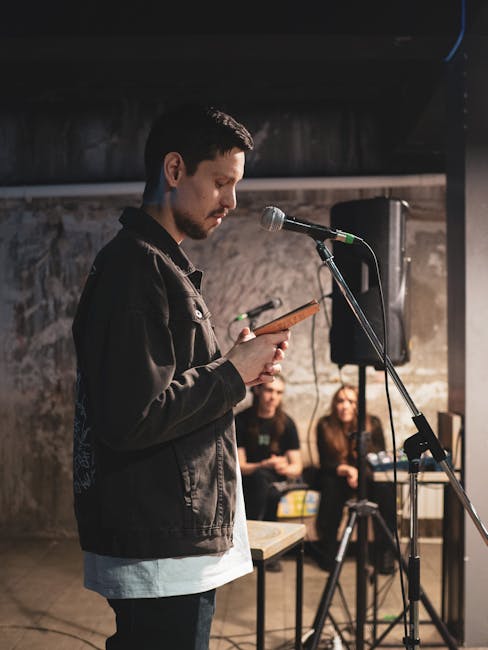
Joining these events is a great way to meet local writers, practice literary Italian, or simply soak up the cultural energy that fuels the city. Gatherings are generally welcoming to curious foreigners: bring a translation if you’d like to share a reading in another language.
Conclusion: weave Padua’s literary tradition into your trip
Padua is not only a destination for lovers of art and history: it’s a living city where literary cafés play a vital role in social and intellectual life. From the grand Caffè Pedrocchi to intimate bookshop-cafés like Libreria Pangea or La Corte dei Miracoli, each place offers a distinct experience — a slice of history, a quiet corner for writing, a stage for listening and exchanging ideas. The addresses, hours and prices in this guide will help you plan your days and evenings according to your interests: whether you’re after a studious breakfast, an evening reading, or just a wander with an espresso in hand.
Final recommendations: prioritize walking between these spots to truly taste the atmosphere of Padua’s alleys; double-check event times (they can change seasonally); and don’t hesitate to ask baristas and booksellers for tips — locals love sharing discoveries and stories. For researchers and students, Padua offers resources (libraries, university archives) accessible with permission; plan ahead to consult special collections.
Finally, remember that coffee culture in Italy is also a social practice: take your time, respect local codes (many prefer ordering at the counter for a quick espresso), and enjoy these moments of pause to listen, read and take part in local literary life. Padua, with its long university tradition and cafés full of memory, is a city where every table has a story to tell. Whether you’re a curious reader, a writer seeking inspiration or a casual stroller, let the voices, pages and aromas of Padua’s literary cafés soak into your experience.