





Introduction: Padua’s Hidden Tea Rooms and Sweet Spots
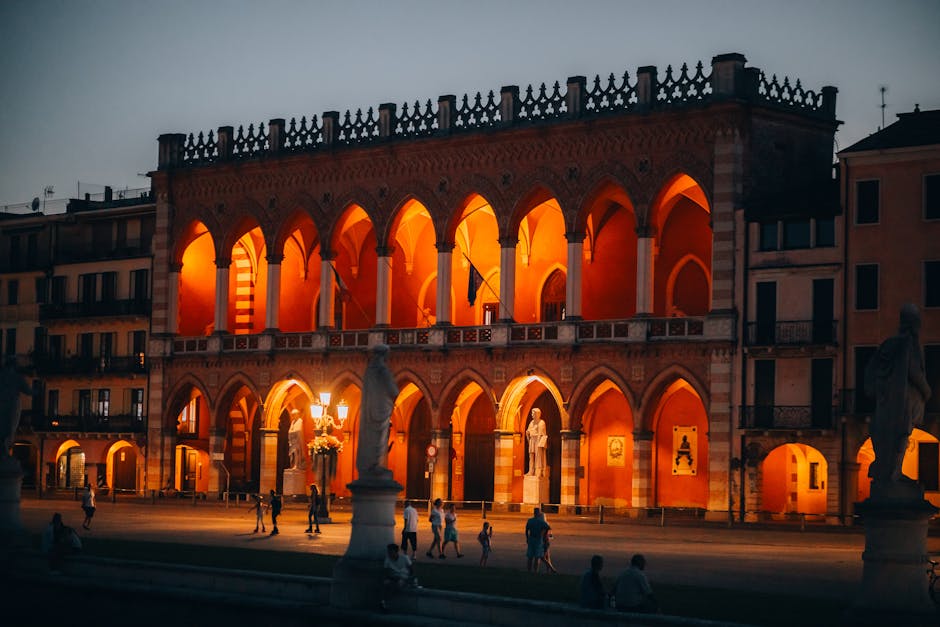
Padua, a city of art and universities, hides a quieter delight that rarely makes it into travel brochures: its tearooms. In the shadow of Giotto’s frescoes and the majestic Basilica of Saint Anthony (Basilica di Sant’Antonio di Padova), locals take their time sipping rare teas, house infusions, and artisanal pastries. These spaces—some tucked into medieval lanes, others housed in 19th-century buildings—offer a sensory refuge for visitors looking for a calm pause after museum visits or a morning of shopping in the historic center.
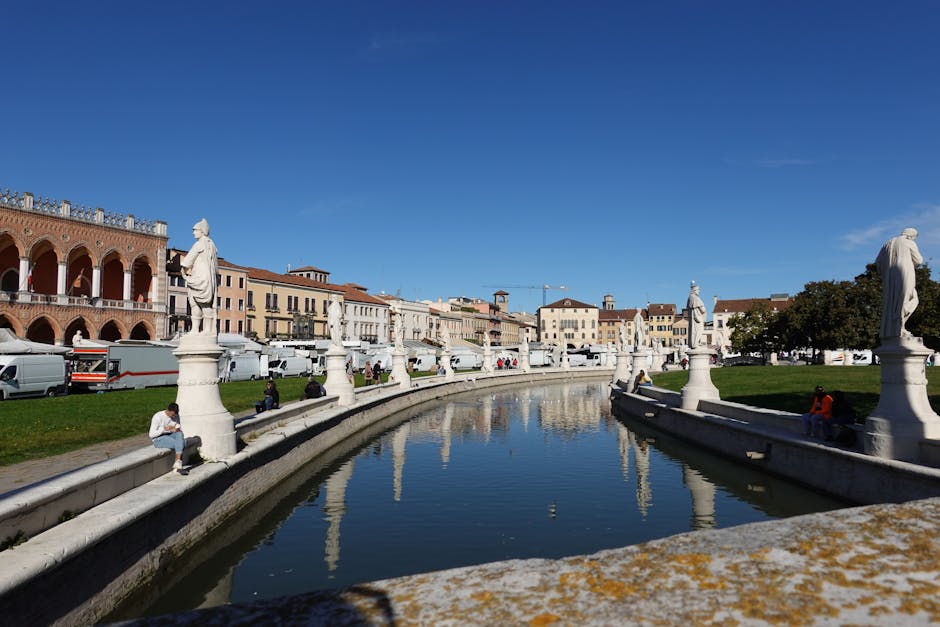
An afternoon wander in Padua can turn into a tasting trail: start with a delicate green tea near the Cappella degli Scrovegni, linger over a molten chocolate cake at a tearoom by the Prato della Valle, and finish with a steaming cup paired with a local specialty like zaleti (cornmeal cookies) or a reinvented pandoro. Padua’s tearooms blend international tea know-how with Italian pastry traditions: some import leaves from China, Japan or India, while others stand out for buttery cakes, fruit tarts, or dry cookies inspired by Venetian terroir.
But the experience goes beyond flavor: atmosphere, décor, service, and brewing rituals matter just as much. You’ll see students cramming for exams, couples reading the paper, tourists peering at displays, and regulars chatting about local cultural events. Tearooms in Padua are often intergenerational meeting spots where people exchange tips about cultural routes, farmers’ markets, or the best trattorie for dinner. In this article I’ll guide you through several emblematic addresses, describe their specialties, provide exact addresses, opening hours and price ranges, and share practical tips to turn each tea break into a lasting memory.
Whether you’re a fan of refined teas, a pastry lover, or a curious traveler looking for something offbeat, Padua’s tearooms will give you as many reasons to linger as there are leaves in a teapot. Get your palate ready: smell the aromas, take in the décor, jot down the addresses and let Padua’s gentle sweetness lead the way.
 Click here to book your audio guide for the Scrovegni Chapel
<img width="433" height="650" src="https://ue.is/wp-content/uploads/sites/34/2026/04/caffe-pedrocchi-interior-morning-light-1775686539.jpg" class="aligncenter" alt="Caffè Pedrocchi interior morning light" loading= »lazy » />
Must-Visit Tearooms in Padua
Padua boasts several spots where the tea tradition is carefully cultivated. Here’s a curated selection of representative places, each with its own character: history, tea menu, pastries and vibe. For every location I give the full address, typical opening hours, a price range, and an immersive description to help you pick according to your mood.
Caffè Pedrocchi
Address: Piazza Cavour, 7, 35122 Padova PD. Opening hours: daily 07:00–24:00. Indicative prices: bagged tea €3.00 – specialty infusion €5.50 – pastries €3.50–7.00.
Caffè Pedrocchi is more than a tearoom—it’s a Padua institution founded in the 19th century. Its vast neoclassical rooms and old-world atmosphere make it a perfect spot for an elegant break. Order a delicate infusion (think sencha or a white tea) and be surprised by a selection of classic pastries: millefoglie, pasteis and small entremets. Inside, mouldings, mirrors and banquettes invite contemplation. It’s a strategic starting point for exploring the historic center.
Click here to book a guided tasting and tour at Caffè Pedrocchi
Tea Room « La Tazza d’Oro » (local example)
Address: Via Roma, 18, 35121 Padova PD. Opening hours: Tue–Sun 09:00–19:00, closed Monday. Indicative prices: loose-leaf tea €4.00–7.00 depending on origin – pastry plate €6.00–12.00.
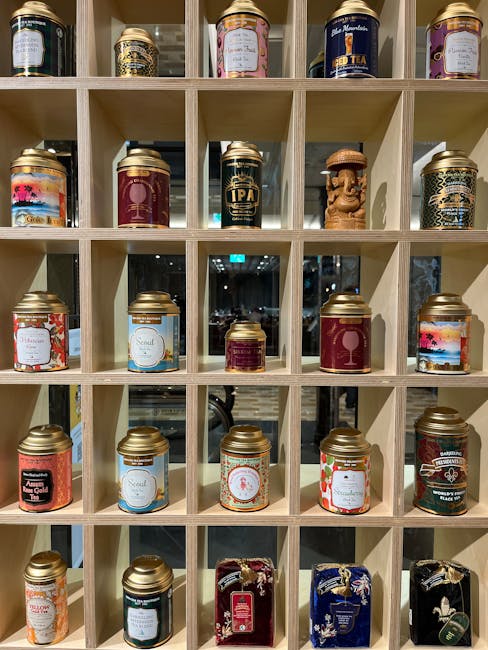
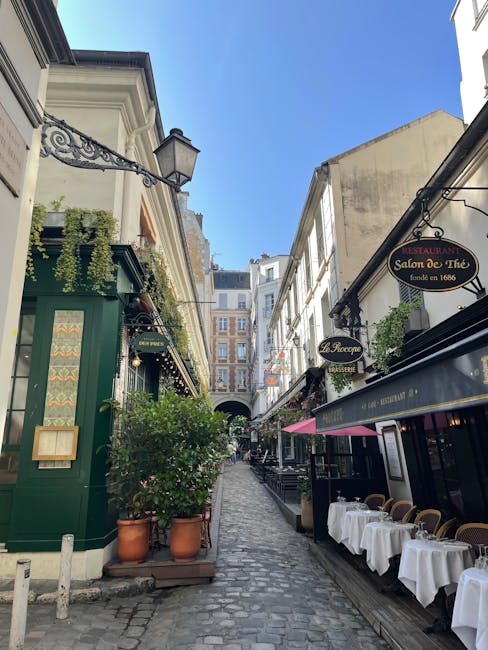
Situated on a pedestrian street near the shops, « La Tazza d’Oro » (a fictitious name to represent a typical tearoom) leans into authenticity: well-stocked tea shelves, fine porcelain service and small wooden tables. The menu offers rare infusions, single-serving teapots and tea-pastry pairings recommended by the host. It’s the ideal spot for a guided tasting—ask for an explanation of the tea’s origin and the recommended brewing temperature. The clientele is mixed: locals, students and international visitors.
Pasticceria Biasetto – tea corner
Address: Piazza Insurrezione, 4, 35141 Padova PD. Opening hours: Tue–Sun 08:00–20:00. Indicative prices: served tea €3.50–6.50 – signature dessert €4.50–9.00.
Head pastry chef Luca Biasetto, a star of Veneto patisserie, runs a tea corner where the quality of the cakes enhances the infusion. Here each pastry is a high-crafted piece: modern entremets, reimagined classics, and traditional biscuits. Teas are chosen to complement textures and aromas. The vibe is more contemporary than in older salons and puts the spotlight on tea-and-treat pairings. Grab a table by the window to watch the desserts being prepared.
Teas, Pastries and Local Specialties
A successful visit to a Padua tearoom hinges on the quality of the teas and the harmony with pastries. Padua’s tearooms offer a palette that ranges from classic English brews to local infusions and contemporary creations inspired by Venetian terroir. Here’s a close look at the typical offerings and pairing suggestions.
Loose-leaf teas: most serious tearooms serve loose-leaf teas sourced from renowned regions—Japanese green teas (sencha, gyokuro), Chinese white teas (bai mu dan), Taiwanese oolongs and even Indian blacks (Assam, Darjeeling). Prices generally range from €4.00 for a common tea to €12.00 or more for rare references (long-leaf teas, limited batches). Staff often explain the ideal brewing method: water temperature, steeping time and possible multiple infusions.
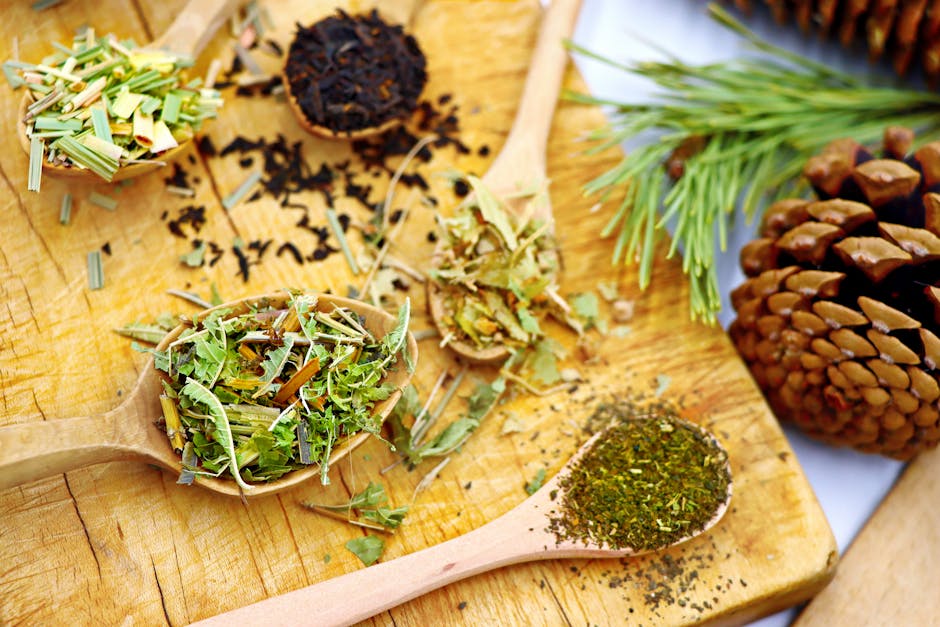
Infusions and herbal tisanes: for those avoiding caffeine, Mediterranean infusions and aromatic tisanes are common. Blends based on chamomile, verbena, mint or rooibos, sometimes mixed with orange peel or rose petals, regularly appear on menus, priced between €3.50 and €6.00. Tearooms that offer house infusions often emphasize local ingredients: herbs foraged in the Veneto, artisanal honey or fruit syrups.

Local pastries: Padua is part of the Venetian pastry tradition. Expect to find zaleti (cornmeal and raisin cookies), pandoro, or mascarpone and zabaglione treats with a twist. Individual pastries typically cost between €2.50 and €7.00 depending on complexity. High-end pastry creations can reach €9–12 per piece.
Recommended pairings:
- Japanese green tea (sencha) with a light citrus pastry — the tea’s freshness highlights the citrus notes.
- Darjeeling (second flush) with an almond cake — Darjeeling’s muscatel character complements almond flavors.
- Taiwanese oolong with crème brûlée or a salted-caramel entremet — the oolong’s partial oxidation brings a lovely roundness.
- Chamomile tisane with zaleti cookies — simplicity meets local tradition.
Click here to book a gastronomic walking tour with tastings
Vibes and Décor: Choosing a Spot by Time and Mood
Tearooms in Padua offer very different atmospheres, and which one you pick can depend on the time of day, your mood, or the kind of experience you want. Here’s an overview of common vibes and tips for picking by moment.
Morning focus: for a calm start, look for places that open early (between 08:00 and 09:00). Historic cafés like Caffè Pedrocchi offer large tables and morning light ideal for reading or working. Price for a classic breakfast: coffee + pastry €4.50–7.00. Tip: arrive between 08:30 and 09:30 to avoid the student rush and enjoy attentive service.
Afternoon romance: for a date or a romantic break, favor intimate tearooms with banquettes, soft lighting and elegant tableware. These spots often offer shared pastry menus and teas served in ritual teapots. Budget: loose-leaf tea + pastry selection for two €15–30. Tip: reserve if you plan to linger, especially on weekends.
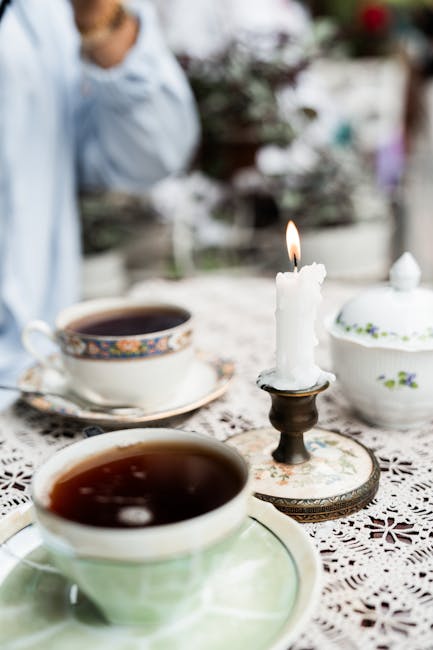
Gentle evening: some tearooms close around 19:00–20:00, but in university quarters you’ll find tea bars that stay open until 22:00. These places sometimes serve iced teas, infusion-based cocktails and a small selection of sweet-and-savory tapas. Price: specialty drink €6–10. Tip: check opening hours and event listings (readings, acoustic concerts).
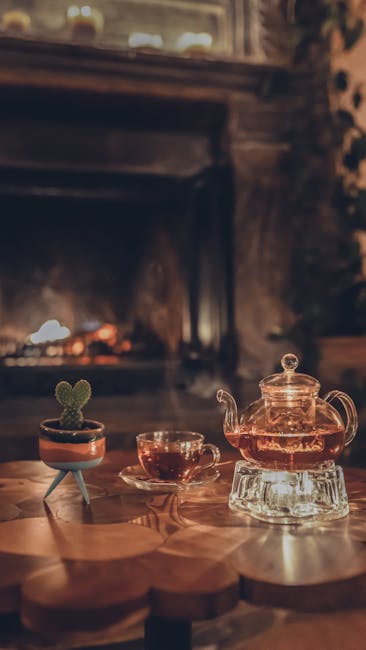
Historic vs. contemporary décor: there’s a clear split between tearooms housed in historic palaces (mouldings, wood panelling, mirrors) and those with modern design (polished concrete, light wood, plants). Your choice depends on taste: if you love history, go for spots near monuments like the Basilica di Sant’Antonio di Padova; if you’re after an Instagram-ready experience, choose modern venues with artful pastry displays.
Click here to discover Saint Anthony’s art and relics on a guided tour
Practical Tips for Making the Most of Padua’s Tearooms
To turn each tea break in Padua into a memorable experience, here’s a set of practical, logistical and cultural tips. These pointers will help you navigate the spots, respect local customs and manage your budget.
Reservations and hours: several popular tearooms accept or require reservations for lunchtime and afternoon tea (15:00–17:00). If you’re planning a guided tasting or afternoon tea, call the day before or use online booking platforms. Typical hours: most open around 08:00–09:00 and close between 18:00 and 22:00; always check for closing days (some artisans close on Monday).
Budget: expect to pay on average €7–12 per person for a quality loose-leaf tea and a pastry. High-end places or special tastings can reach €20–30 per person. If you’re travelling with family, opt for sharing plates or “tea for two” deals, which are often more economical.
Language and communication: staff at central tearooms usually speak basic English, especially in tourist spots. Still, a few Italian phrases are appreciated: « Vorrei un tè verde » (I would like a green tea), « Una selezione di pasticceria, per favore » (a selection of pastries, please). Servers enjoy explaining tea origins and brewing methods—don’t hesitate to ask about water temperature and steeping time.
Payment and tipping: debit and credit cards are widely accepted; some small tearooms prefer cash for small purchases. Tipping in Italy isn’t obligatory but leaving 5–10% or rounding up the bill is appreciated for attentive service.
Best times to go:
- To avoid the tourist crowd: early morning (08:00–10:00) or late afternoon after 16:00.
- For a local vibe: weekday midday, when students and local workers gather.
- For the freshest pastries: peek at the display when you arrive—best pieces often come out in the morning.
Conclusion: Savoring Padua, One Cup at a Time
Padua’s tearooms offer a gentle, intimate way to discover the city. They complement a cultural itinerary of basilicas, squares and museums by providing sensory pauses where you can explore aromas, observe local life and chat with residents. Whether you pick the historic splendor of Caffè Pedrocchi, a contemporary tea-room near Prato della Valle, or a tea corner at a master pastry chef like Luca Biasetto, each place offers a unique take on the tea ritual.
During your stay, follow the practical tips: reserve for peak hours, ask for pairing advice, respect opening times and be open to trying lesser-known infusions. Prices stay reasonable for a quality experience, and the range of teas will let you explore diverse flavors—from Japanese sencha to Taiwanese oolongs to local herbal blends. Also, the mix of décors—from classic to contemporary—gives each break a character that matches your day.
Finally, remember that these tearooms are as much local living spaces as visitor venues. Be curious, take the time to chat with the staff, ask for recommendations for the rest of your day, and you might leave with a small tin of tea or a recipe for a local cookie. In Padua, every cup tells a story: one of pastry traditions and a slow, convivial way of life. Take your time, taste, and let Padua reveal its sweetness, one sip at a time.