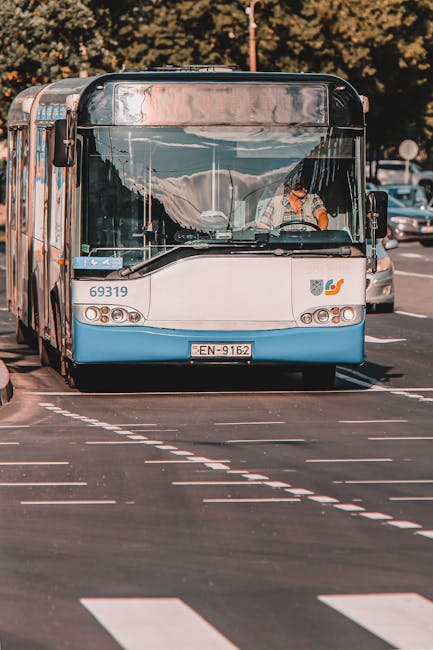





Introduction — Getting Around Padua by Bus Like a Local
Padua (Padova in Italian) is a lively university city in northeastern Italy, packed with history, art and everyday local life. Traveling by bus in Padua isn’t just a practical, budget-friendly way to reach tourist spots — it’s a chance to tap into the city’s rhythm: overhear Venetian-accented conversations, spot students hurrying to the Università degli Studi di Padova, or watch neighborhood markets spring up around stops. Knowing a few essential tips for using the bus network will save you time and money and help you avoid common mistakes — like boarding without validating your fare or missing the line that serves Prato della Valle at golden hour.
Padua’s urban and regional bus network is operated by several local providers; one of the main ones is APS (Azienda di Trasporto Pubblico Padova), which runs the majority of city routes around key hubs such as Padova Station (Piazzale della Stazione, 35131 Padova), the Basilica di Sant’Antonio (Piazza del Santo, 35123 Padova) and the vast open space of Prato della Valle. Buses are generally frequent during the day, less so at night and on Sundays. Understanding fare zones, sales points, validation procedures and useful apps will help you act like a local: buy a multi-ticket book, use electronic validation or spot the shuttle buses that link the train station and Venice airport.
This introduction leads to a list of 10 practical, numbered tips to help you use Padua’s buses like a native. Each tip includes exact addresses (for offices, stations and sales points), prices in euros, key timetables, immersive descriptions of places and hands-on local advice (where to sit, how to request a stop, how to avoid pickpockets, etc.). Whether you’re crossing Piazza delle Erbe, heading to the Orto Botanico (Orto Botanico di Padova, via Orto Botanico, 15) or doing a round trip between Padova Station and Prato della Valle, these pointers will help you optimize journeys, save money and see the city through a Paduan’s eyes. Get ready to note line numbers, exact stops and schedules: let’s dive in.
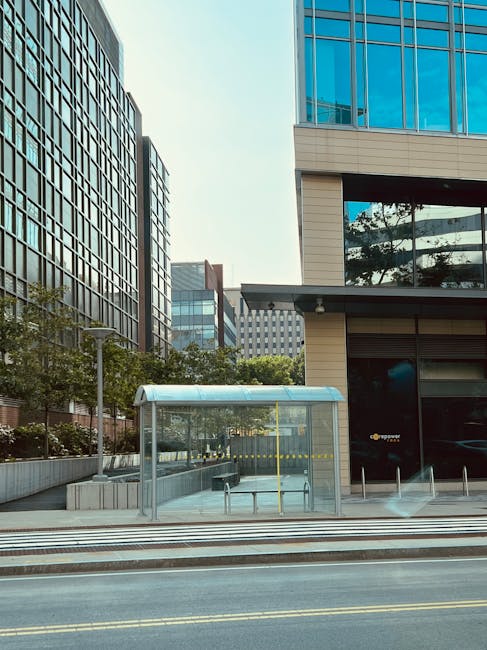
1. Buy the Right Ticket and Know How to Validate It
First rule of local riders: don’t buy a random ticket. In Padua, a single urban ticket usually costs €1.30 and is valid for 60 minutes from validation (this fare is typical for city trips). The daily ticket (biglietto giornaliero) costs about €4.50 and allows unlimited journeys for 24 hours — perfect for a packed sightseeing day (for example, Padova Station → Basilica di Sant’Antonio → Prato della Valle → Orto Botanico). There are also 10-trip booklets at a reduced rate (around €11.50) and weekly or monthly passes for longer stays (ask at the APS Agency).
Where to buy:
– Ticket machines at Padova Station (Piazzale della Stazione, 35131 Padova), available 24/7 for machines though the station ticket counter follows train service hours;
– Tabaccherie (Tobacconists) and official kiosks (e.g. Tabaccheria Piazza Insurrezione, Piazza Insurrezione 14, 35122 Padova);
– APS Agency: Via San Francesco, 33, 35121 Padova (opening hours: Mon–Fri 8:30–13:00 and 14:30–18:00, Saturday 9:00–12:30).
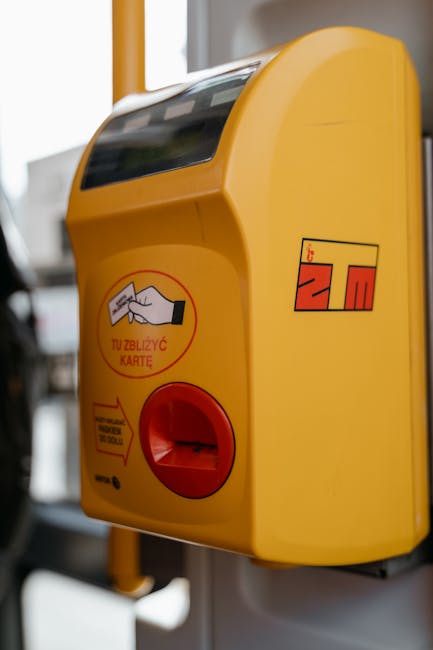
Validate: the local routine is precise — once on board, insert (or tap) your ticket in the yellow validation machine near the door. If you bought a digital ticket through the official app (search for « APS Padova » on iOS/Android), show the QR code to the inspector if asked and keep proof of purchase. Boarding without validating can lead to a fine (checks happen often): penalties can reach €50–€100 depending on current regulations. If you plan to use buses several times in a day, the daily ticket often works out cheaper.
2. Learn the Key Lines and Tourist Stops
To travel like a local, memorize 4–5 useful lines based on your hotel and interests. For example:
– Line 1: links Padova Station (Piazzale della Stazione, 35131 Padova) to the southern part of the city and passes near Prato della Valle (used to reach Piazza del Santo in 10–15 minutes).
– Line 3: serves the historic center, the Cappella degli Scrovegni (Piazza Eremitani, 35122 Padova) and stops close to Piazza delle Erbe (Piazza delle Erbe, 35122 Padova).
– Line 5: connection between the station and the university area (Via 8 Febbraio, 35122 Padova).
– Shuttle A (navetta): small downtown loop, high frequency on Saturday nights.
Must-know stops and useful addresses:
– Padova Station, Piazzale della Stazione, 35131 Padova — the main hub for trains and regional buses.
– Prato della Valle, 35123 Padova — the huge elliptical square, stop named « Prato della Valle – Isola » on the south side.
– Basilica di Sant’Antonio, Piazza del Santo, 35123 Padova — stop « Santo » or « Basilica ».
– Orto Botanico di Padova, via Orto Botanico, 15, 35123 Padova — last stop on some university lines.
Knowing the exact stop name shown on maps and timetables will prevent you from missing your destination.
3. Use Apps and Paper Maps — Which to Prioritize
Locals often combine two approaches: an app for real-time schedules and a paper map for the overall line logic. Recommended apps: « APSPadova » (official app), Google Maps (transit mode), and Moovit. These apps show estimated waiting times, disruptions and line numbers. Download offline maps if your mobile data is limited.
Timetables: official urban line timetables are on the APS website and displayed at stops: most lines operate roughly from 5:30 to 0:30 on weekdays, with reduced service on Sundays. Night shuttles or « notturno » buses run on some nights, especially during university events or local festivals; check dates on the APS site. To stay ahead, check the « Comunicazioni » section on aps.it or the notice boards near the train station (displaying lines and frequencies).
Local tip: add a shortcut to your most-used route on your home screen. Students and workers in Padua often use a « next departure » alert to avoid waiting outside in bad weather.
4. Timings, Rush Hour and How to Avoid Crowds
Understanding Padua’s rush hours will make your journeys more comfortable. Morning (7:30–9:00) and evening (17:00–19:00) peaks are busy with students and commuters. Lines serving the Università degli Studi di Padova (Via 8 Febbraio, 2) and Padova Station are particularly crowded at these times. To dodge the crowds, plan sightseeing trips between 9:30–11:30 and 14:30–16:30.
Service and frequency: during the day main lines run every 8–15 minutes on weekdays. Saturday mornings stay fairly frequent, while on Sundays buses run every 20–40 minutes depending on the line. If you have a flight from Venezia Marco Polo, allow plenty of buffer time: regional shuttles and direct buses to Mestre run, but transfer times can vary (allow at least 90 minutes for connections).
Practical tip: if you’re carrying luggage or a stroller, look for stops with more space and board through the middle door when allowed. Modern buses in Padua often have reserved space for wheelchairs and suitcases near the rear door; locals will gladly make room for travelers.
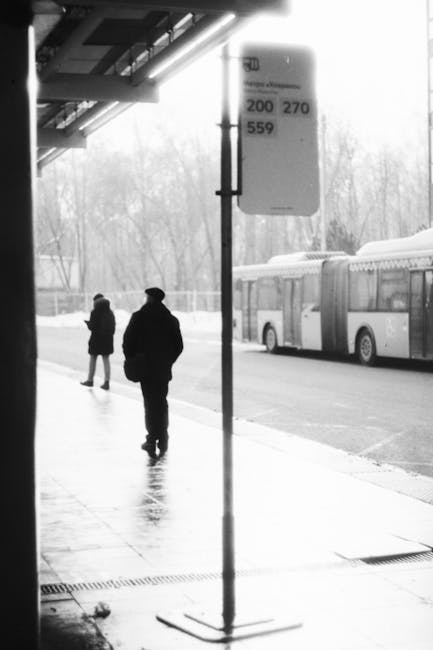
5. Onboard Etiquette: Local Codes and Politeness
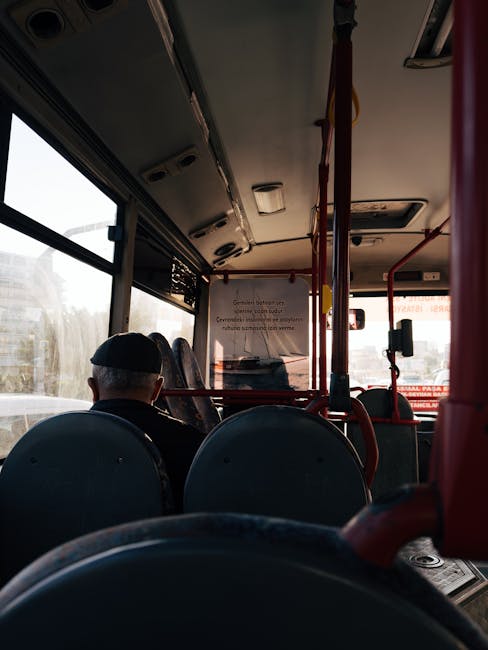
Paduans are discreet and polite; on the bus keep respectful behavior: avoid loud conversations, put your phone on silent and offer seats to the elderly, pregnant people and parents with strollers. Saying « grazie » and « permesso » when asking to pass is appreciated and easy.
Requesting a stop: signal your intent to get off by pressing the illuminated button (usually red or yellow) well before your stop. Locals also say aloud « fermata, per favore ». If you’re unsure of a stop name, ask the driver « Scusi, questo passa per … ? » while pointing to your destination. Drivers are often helpful but may be rushed during peak times; have your change or ticket ready before boarding.
Safety: Padua is generally safe, but stay aware of your belongings in crowded areas (station, main stops like Piazza Garibaldi, Piazza Cavour). Pickpockets target open bags and rear pockets. Locals keep bags cross-body and avoid leaving valuables within easy reach.
6. Where to Buy Special Tickets and Practical Info
For special fares or passes (students, seniors, subscriptions), go to the APS Agency: Via San Francesco, 33, 35121 Padova. Opening hours: Mon–Fri 8:30–13:00 and 14:30–18:00; Saturday 9:00–12:30. The office also sells monthly passes and issues certificates for student discounts (university student ID required).
Kiosks and tobacco shops: for a single ticket, most tabaccai (Tabacchi points) accept cash or card. Example: Tabaccheria Piazza Insurrezione, Piazza Insurrezione 14, 35122 Padova (generally open 7:30–19:30 except Sunday). Ticket machines are available in stations and some main stops: Padova Station, Piazzale della Stazione, 35131 Padova — available 24/7.
Cards and discounts: ask about the CartaFrequenza and seasonal subscriptions if you plan to stay more than a week. Regional mobility offices (Agenzia per la Mobilità del Comune di Padova) can advise on integrated passes that include interurban services (connections to Venezia, Vicenza, Rovigo).
7. Practical Routes to Major Sights
Here’s how to reach key attractions by bus, with addresses and estimated times:
– Basilica di Sant’Antonio, Piazza del Santo, 35123 Padova — stop « Santo »; 10 min from Padova Station (Piazzale della Stazione, 35131 Padova) via line 1 or 3. Basilica opening hours: 6:30–19:30 (check religious services for chapel access).
– Cappella degli Scrovegni, Piazza Eremitani, 35122 Padova — stop « Eremitani »; 5–10 min from the center. Guided visits recommended (skip-the-line tickets about €13).
– Orto Botanico di Padova, via Orto Botanico, 15, 35123 Padova — served by a few university lines; allow 10–15 min from Piazza delle Erbe. Opening hours: Mon–Fri 9:00–18:00 (closed on some public holidays).
– Prato della Valle, 35123 Padova — reachable in 5–10 min from the center via several lines; great at sunset.
Local tip: always get off at the exact stop that corresponds to the part of the monument you want to visit (e.g., for the Cappella degli Scrovegni, prefer the « Eremitani » stop rather than « Centro » to avoid extra walking).
8. Alternative Options: Bikes, Trams and Taxis
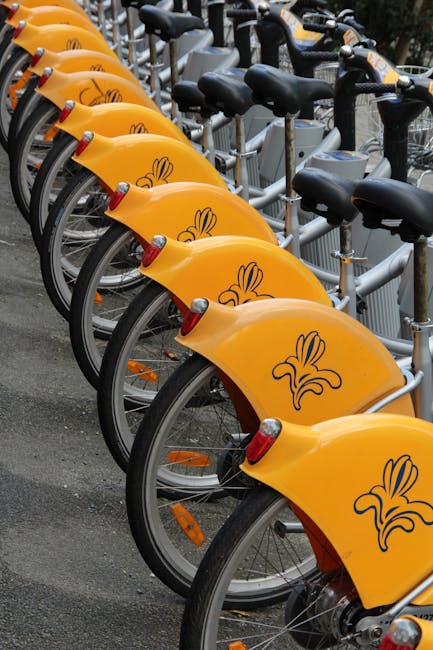
Padua also offers alternatives that locals mix with buses. The bike-sharing service (BikeMi-style or private providers) is handy for short distances around the historic center — main station: Piazza Garibaldi. There’s no tram system like in Venice/Mestre, though soft-mobility projects are underway; buses remain the backbone of public transport.
Taxis: main taxi ranks are at Padova Station (Piazzale della Stazione, 35131 Padova) and Piazza Insurrezione. Indicative fares: pick-up about €3–4, + €1.20–€1.50/km depending on the route; night and Sunday rates are higher. For an early transfer to the airport, a taxi can be worth it if you travel with others or heavy luggage.
Mixing modes: a local might take the bus to Prato della Valle, then rent a bike to cycle along the quays and reach narrow lanes where buses don’t go. Keep coins for helmets or bike rental (about €3–€6/hour).
9. Special Events, Markets and Temporary Services
Padua hosts many events that temporarily alter bus circulation: the Fiera di Padova (fair, location: Padova Fiere, Via Tommaseo, 59, 35131 Padova), university festivals, the Santa Giustina market and religious gatherings at the Basilica di Sant’Antonio. During these events, special lines, shuttles or diverted routes are set up. Always check the « Avvisi » section on aps.it or announcements at Padova Station.
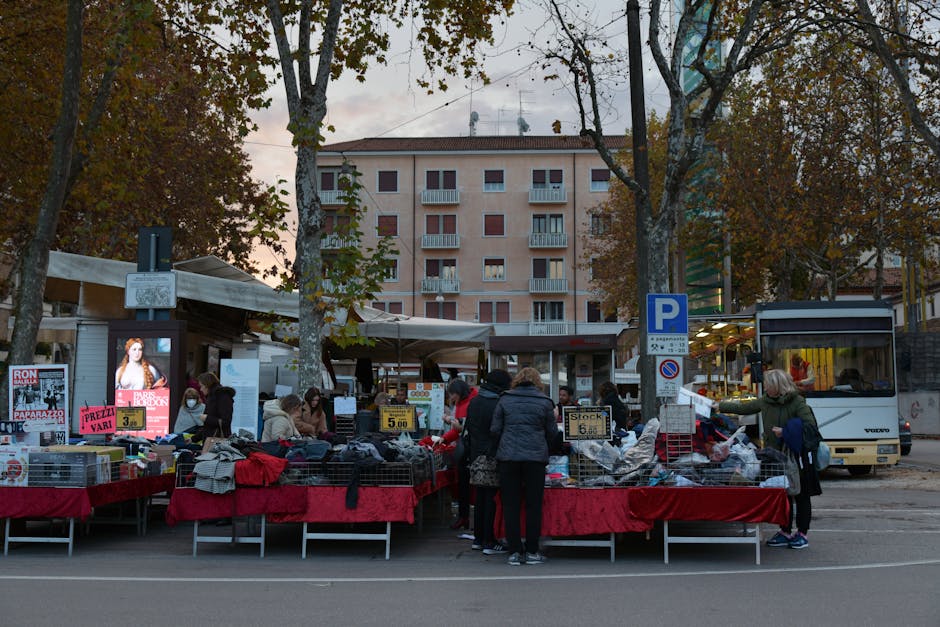
Markets: the daily food market changes location by day; Piazza delle Erbe (35122 Padova) is a central hub. On market days arrive early to avoid crowded buses and expect a short walk — nearby stops can get congested.
Practical tip: for big events (e.g., concerts at Gran Teatro Geox, Via Segrè, 1, 35131 Padova), buy shuttle bus tickets in advance if available and arrive 30–45 minutes early to skip queues.
10. Final Tips to Live Like a Local Every Day
– Learn a few key phrases: « Quanto costa il biglietto? » (How much is the ticket?), « Dove si trova la fermata per … ? » (Where is the stop for … ?), « Per favore » and « Grazie ».
– Carry small change: some drivers don’t accept cards and tabacchi close early on Sundays.
– Travel light: historic streets are often cobbled and getting on/off the bus with heavy luggage is cumbersome. Paduans favor cross-body bags and compact backpacks.
– Respect priority seating: « riservato » seats are strictly left for those who need them.
– Stay informed: subscribe to APS notifications for disruptions and possible strikes.
These small habits will help you save (avoiding fines and unnecessary purchases), gain time and be better accepted by locals. By adopting their pace, you turn a simple journey into a living, authentic experience.
Conclusion — Bus Travel: How to Blend into Padua
Riding the bus in Padua is more than getting from A to B: it’s a window into daily life in a historic university city. Master ticket purchase and validation (single ticket €1.30 — 60 minutes; daily €4.50), know key stops like Padova Station (Piazzale della Stazione, 35131 Padova), Prato della Valle (35123 Padova) or the Basilica di Sant’Antonio (Piazza del Santo, 35123 Padova), and use apps smartly — APS Padova, Google Maps or Moovit — to save time and avoid common pitfalls. Schedules vary (main service 5:30–0:30 on weekdays, reduced frequency on Sundays); watch the information panels at stops and the APS site to find the best routes. Onboard etiquette — validate your ticket, give up seats, signal your stop early — immediately brands you as a respectful traveler in locals’ eyes.
The tips compiled here — from buying tickets to timetables, to alternatives (bike, taxi), and on-board behavior — will help you blend in with Paduans. Use trips as opportunities to observe: a low-voiced conversation in Piazza delle Erbe, a sunset at Prato della Valle, a student racing to the Università degli Studi di Padova. These moments, often missed by hurried visitors, are the real treasures of travel. Finally, adapt to temporary changes (events, fairs, markets) by checking local announcements; this will spare surprises and enrich your stay. Safe travels — or as they say here in Italian, buon viaggio — and enjoy Padua not just for its monuments but for its shared journeys.