





Introduction
Getting from Padua (Padova) to Venice (Venezia) is one of the most convenient and busiest short routes in north‑eastern Italy. Whether you’re making a short tourist hop between Padua’s Basilica of Saint Anthony and Venice’s St. Mark’s Square, heading to a business meeting, or taking a day trip, understanding the transport options — trains, buses, tram, and water buses — will make your journey faster, less stressful and often cheaper. This article gives you a complete map of connections between Padua and Venice, detailing stations, coach stops, the local tram network, Venetian vaporetto lines and auxiliary services like shuttles or combined tickets. You’ll also find exact addresses, typical schedules, indicative fares in euros, practical local tips and recommendations to optimize your transfers.
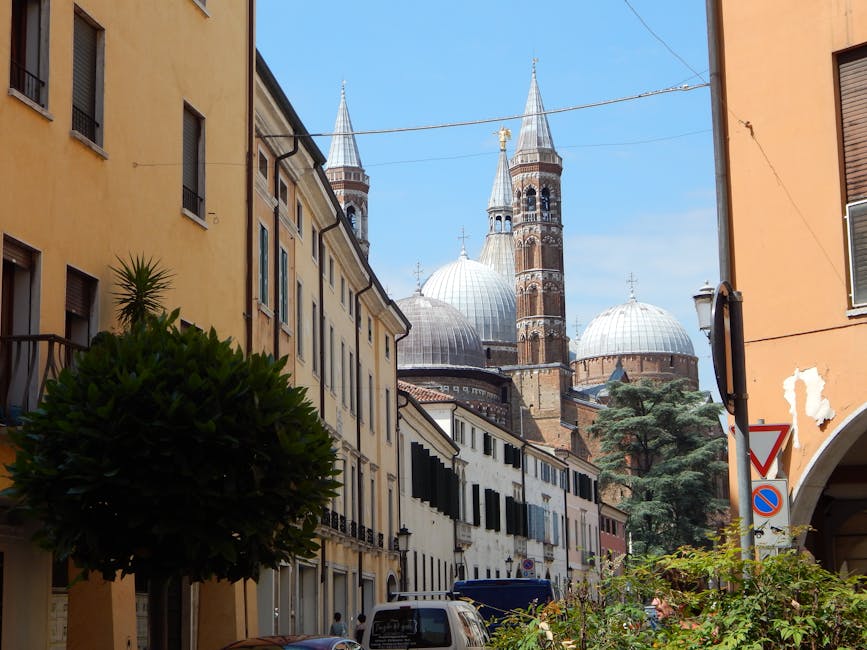
Padua, with its Renaissance palaces, Prato della Valle and the Basilica di Sant’Antonio (Piazza del Santo, 35123 Padova PD), is served by a main station, Padova Centrale (Piazza della Stazione, 13, 35131 Padova PD), which is the starting point for most trips to Venice. The main lagoon-side arrival is Stazione di Venezia Santa Lucia (Fondamenta Santa Lucia, 30121 Venezia VE), located right on the Grand Canal, while Venezia Mestre (Piazzale Roma / Venezia Mestre Stazione) is the usual option for those who want to stay on the mainland. Regional Trenitalia trains, plus some long-distance or intercity services for longer connections, link these two hubs frequently — sometimes every 15–30 minutes at peak times.
Beyond trains, Padua has a network of city buses and a modern tram line that make it easy to reach the station and main sights. Venice, being car-free in its historic centre, relies on the ACTV vaporetto (water-bus) network, bus lines for Mestre and Piazzale Roma, and shuttles for airports or parking areas. Knowing how to combine train + vaporetto, or bus + tram + train, helps you save time and money — especially in high season when queues at ticket offices and boarding points can get long.
In this guide you’ll find practical instructions on buying tickets (ticket offices, machines, Trenitalia/Italo/ACTV apps), sample schedules (morning, midday, evening), approximate prices (in euros) and local tips (best times to travel, recommended platforms, luggage storage locations, useful addresses like tourist offices). I also suggest budget alternatives (long‑distance buses like BlaBlaBus, FlixBus) and faster options (Regionale Veloce trains), plus tips on how to start exploring Venice as soon as you arrive — for example, get off at Venezia Santa Lucia for direct access to the Grand Canal and Rialto, or choose Venezia Mestre if you want cheaper parking and better road connections.
Trains between Padova Centrale and Venezia Santa Lucia: schedules, fares and tips
The most used connection between Padua and Venice is provided by Trenitalia regional trains. The main Padua station is Padova Centrale, located at Piazza della Stazione, 13, 35131 Padova PD. Station opening hours and ticket office times vary: the main concourse is accessible 24/7, ticket machines operate continuously and the Trenitalia ticket office is generally open from 06:00 to 20:00 (hours may change with the season). The tourist information point « Ufficio Informazioni » at the station is often open from 09:00 to 19:00 in high season.
Venice station address: Stazione di Venezia Santa Lucia, Fondamenta Santa Lucia, 30121 Venezia VE. The main concourse is open 24/7; most services (left‑luggage, ticket offices, shops) generally operate from about 06:00 to 21:00. For those preferring to arrive on the mainland, Venezia Mestre station (Viale Stazione, 30173 Venezia Mestre VE) is also widely used and linked to Piazzale Roma by urban buses and tram.
Travel time: generally plan on 20–35 minutes depending on the train type (Regionale = 25–35 minutes; Regionale Veloce ≈ 20–25 minutes). Frequencies: at peak times, a regional train departs every 15–30 minutes. Fares: a standard Trenitalia Regionale ticket between Padova Centrale and Venezia Santa Lucia costs around €3.50–€4.20 for single class (indicative public price subject to regional pricing policies). High-speed trains (Frecciarossa, Frecciargento) aren’t necessary for this short stretch and are rarely used between these nearby cities.
Buying a ticket: use the station machines (card or cash accepted), Trenitalia ticket offices, or the Trenitalia mobile app and website. Important: paper regional tickets must be validated (composted) before departure; if you have an e‑ticket or mobile ticket, check the usage conditions. Practical tip: buy tickets in advance on the app to avoid queues at the machines in the morning or during special events (Festa del Santo, Venice’s Regata Storica).
Local tips: arrive at the station at least 10–15 minutes before departure to find your platform (i binari) as departure displays can change quickly. From Padova Centrale, platforms for Venice are often announced on tracks 3–6; at Venezia Santa Lucia, keep your luggage near exits if you plan to cross the Ponte degli Scalzi to reach the Santa Croce district. If you travel with a bike, check boarding rules: regional trains often accept folded bikes for free or non-folded bikes for a supplement depending on time and crowding.
Buses and coaches: budget options and direct connections
If you’re after a cheaper option or prefer a direct coach, several operators serve the Padua → Venice route. In Padua the main starting point for long‑distance coaches is the Stazione Autolinee (Piazzale Stazione, near the railway station). Useful address: Piazzale della Stazione, 35131 Padova PD (coaches area and dedicated stops). Local city buses are operated by APS — Padova Mobilità (urban service); lines serve the station, Prato della Valle and the historic centre. City bus schedules vary: on weekdays services typically run from about 05:30 to 23:30, and some night lines operate until 02:00–03:00.
For intercity connections, FlixBus, MarinoBus and other companies offer direct trips Padova → Venezia Mestre / Piazzale Roma. Travel time: usually 30–50 minutes depending on traffic. Price: FlixBus or BlaBlaBus tickets can start from €3.00–€6.00 when booked early, often pricier at the last minute (€10–€15). Drop‑off point in Venice: Piazzale Roma (Viale Tommaso Mocenigo, 30135 Venezia VE) is the main coach hub where you can access urban buses and vaporetti — a 10–15 minute walk from the Ponte della Costituzione leading into the historic centre.
Schedules and practical addresses: the ACTV information point at Piazzale Roma is located near the bus station and is open roughly 06:00–22:00; automated vaporetto ticket machines are available 24/7 but ticket counters open during the morning. If you take an overnight coach, always check the precise stop shown on your booking — some coaches stop at Venezia Mestre Stazione (Viale Stazione, 30173 Venezia Mestre VE) rather than Piazzale Roma.
Practical tips: to save money, book intercity coach tickets online in advance and check exact stops (some coaches stop in Mestre, requiring a short tram or bus transfer to Venezia Santa Lucia). If you have heavy luggage, prefer Piazzale Roma where it’s easier to get water taxis or find left‑luggage services. Finally, during events (like the Biennale or Carnival) intercity coaches can be rerouted: allow a 45–60 minute buffer for journeys during those periods.
Tram and urban transport in Padua and connections to Venice
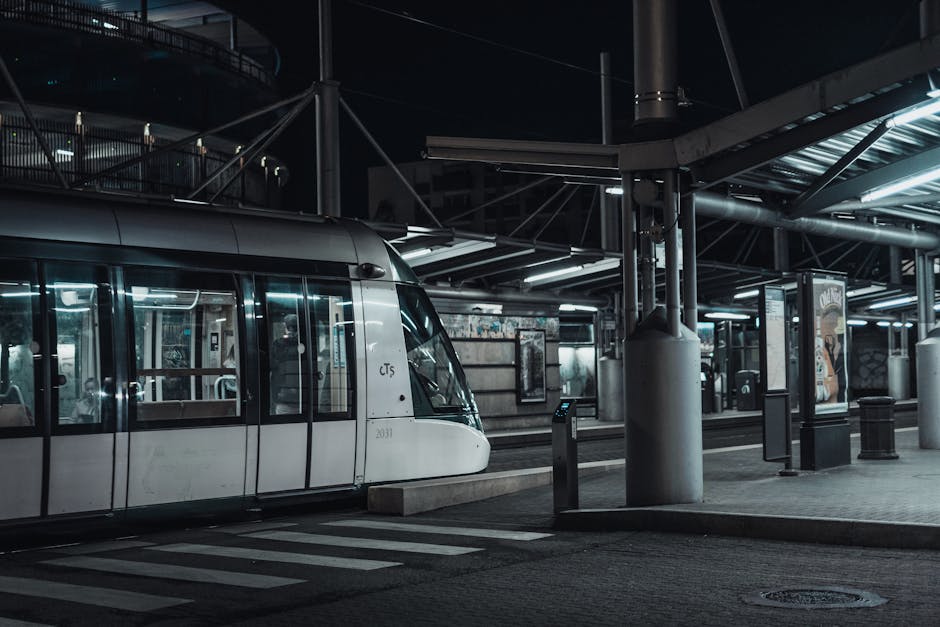
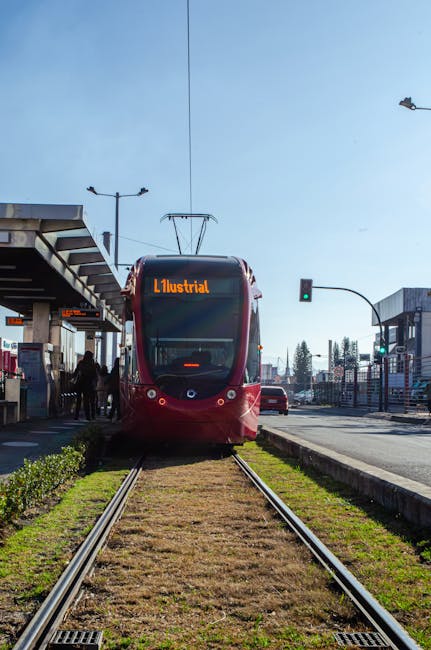
Padua has modernized its urban transport with a tram line that links key points of the city to the station, making it easier to catch trains to Venice. Central points like Piazza Insurrezione and Prato della Valle are served by several bus lines and by the tram depending on seasonal timetables. The local operator is APS / Padova Mobilità; their headquarters are often listed at Via Giacomo Matteotti, 23, 35121 Padova PD for general information and complaints.
Tram and bus schedules: on weekdays trams and buses generally run from about 05:30 to 00:30, with higher frequencies during the day (every 5–15 minutes depending on the line). Night lines exist on some routes but with reduced frequency. Fares: a single urban ticket (validity varies, often 75 minutes) costs around €1.50–€1.70 in Padua depending on ticket type (single, 10‑ride carnet, day pass). Purchase points: station machines, tobacconists (Tabaccheria), newsstands and via the official Padova Mobilità app.
Connections to the station: main stops serving Padova Centrale are clearly indicated on station maps; the tram and many bus lines alternate to bring travelers right to the station’s main entrance. If you’re staying near Prato della Valle (Piazza Eremitani, 35123 Padova PD) or the Scrovegni Chapel (Cappella degli Scrovegni, Via Giotto, 35122 Padova PD), allow 10–20 minutes to reach the station by tram or local bus depending on traffic.
Local tips: buy a carnet of tickets if you’ll use public transport several times across 2–3 days — a 10‑ticket bundle is often the best value for visitors. Also check zones and ticket validation: in Padua tickets must be validated when you board the bus or at the validators in tram stations. And if you’re heading to Venice early to catch sunrise over the lagoon, plan your transfer the day before: locate the nearest stop and check first train times at the ticket office or via the app.
Getting around Venice after arrival: vaporetto lines and ACTV prices
Once you arrive at Venezia Santa Lucia, you’ll switch modes: here, you get around mainly on foot or by boat. The water‑bus service is run by ACTV (Azienda del Consorzio Trasporti Veneziano). Useful ACTV address: Riva degli Schiavoni, 411, 30122 Venezia VE (main office and information). The lines of most interest to visitors coming from Padua are Lines 1 and 2 (Grand Canal), plus directional lines to Murano, Lido and other districts.
ACTV fares (indicative): single vaporetto ticket 75 minutes = €8.50; 24‑hour ticket = €25.00; 48‑hour ticket = €37.00; 72‑hour ticket = €55.00 (prices may change; check the ACTV website before travel). Tickets can be bought at station machines, ACTV counters at Piazzale Roma and Tronchetto, at tobacconists, or via the official AVM/ACTV app. Schedules: most lines run from 05:00 to 00:30; some routes (airport links and a few heavily used services) run 24/7.
Practical connections: from Venezia Santa Lucia Line 1 takes you along the Grand Canal to San Marco (Piazza San Marco, 30124 Venezia VE) in 25–35 minutes depending on traffic. If you get off at Piazzale Roma you’re already at the city’s gateway for coach arrivals or departures. To reach islands such as Murano (Faro di Murano) or Burano (Piazza Galuppi), consult the peripheral lines and expect crossings of between 30 minutes and 1 hour depending on the destination.
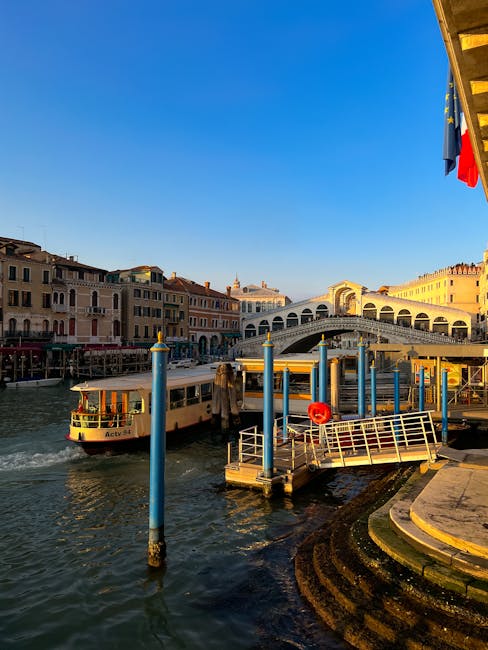
Practical tips in Venice: avoid buying tickets from unofficial resellers; keep your ticket for the full validity period (controls are common). During peak hours (morning 08:00–10:00 and late afternoon 17:00–19:00) docks and vaporetti are very busy: if you have bulky luggage choose off‑peak departures. For a scenic arrival, exit to the left as you leave Venezia Santa Lucia station: you’ll see the Grand Canal and the Ponte degli Scalzi, a great preview before exploring Rialto and San Marco on foot.
Conclusion
Getting between Padua and Venice is straightforward, fast and flexible thanks to a range of options: frequent, budget-friendly regional trains between Padova Centrale (Piazza della Stazione, 13, 35131 Padova PD) and Venezia Santa Lucia (Fondamenta Santa Lucia, 30121 Venezia VE), affordable intercity coaches to Piazzale Roma or Venezia Mestre, an efficient tram/bus network in Padua to reach the station, and the essential ACTV vaporetto network for moving around the lagoon. Knowing the exact addresses, typical schedules (station concourse accessible 24/7 but ticket offices often 06:00–20:00; main ACTV lines 05:00–00:30), and indicative fares (regional train ≈ €3.50–€4.20; single vaporetto 75 min ≈ €8.50; FlixBus coaches from €3–€6 on promotions) will save you time and money.
For a stress-free trip: buy tickets in advance via the Trenitalia or ACTV apps when possible, validate paper regional tickets before boarding, and allow extra time during busy tourist periods (Carnival, Biennale, the Feast of the Santo). If you travel with luggage, favour Piazzale Roma for bus/car connections or Venezia Santa Lucia for immediate access to the old town. Day passes from ACTV often pay off if you plan multiple vaporetto rides in one day.
Finally, leave time to enjoy both cities: Padua deserves at least a few hours to visit the Basilica di Sant’Antonio (Piazza del Santo, 35123 Padova PD, usual hours 06:00–20:00, basilica entry free, some chapels may charge €3–€8), the Cappella degli Scrovegni (Via Antonio Paduano / Viale Marin, booking recommended, prices and times on the official site) and Prato della Valle (Piazza Eremitani, 35123 Padova PD) before heading to Venice for its canals, Piazza San Marco (Piazza San Marco, 30124 Venezia VE) and the Doge’s Palace (Palazzo Ducale, Piazzetta San Marco, 1, 30124 Venezia VE, opening times and prices to check). Follow the practical tips here — choose train or bus based on your budget, book tickets early, and locate platforms and stops — and your journey between Padua and Venice will be a smooth transition and a perfect chance to combine heritage, local food and unforgettable lagoon views.