





Introduction: Masters of the Sacred — an overview of Padua’s must-see frescoes
Padua (Padova in Italian) is a city where religious history and artistic creativity meet around every corner. As the heart of a rich pictorial tradition stretching from the Middle Ages to the Renaissance, Padua offers visitors an intimate route into the sacred: private chapels, monumental basilicas, quiet oratories and public halls plastered with frescoes that narrate biblical episodes, saints’ lives, apocalyptic visions and artistic inventions that became legendary. « Masters of the Sacred » sums up how these painted walls shape both the spiritual and aesthetic experience of the city. They define not just a visual landscape but also a way of reading the religious in public space.
This article is a detailed, immersive itinerary guiding you to Padua’s most emblematic frescoes: the Cappella degli Scrovegni (commonly called the Scrovegni Chapel) with Giotto’s cycle, the Duomo Baptistery with its cosmic vault, the Basilica di Sant’Antonio and its decorated chapels, the Palazzo della Ragione with its vast painted hall. For each site I give the exact address, typical opening hours, indicative prices, sensory descriptions of the works and practical tips to make the most of your visit (advance tickets, best times for photos, combined routes, rules inside sacred spaces).
Beyond practical info, the aim is to place each fresco ensemble in context: patrons, devotees, technical innovations, original pigments and restorations. Some frescoes invite a narrative reading — biblical scenes unfolding like medieval comics — while others impose their monumentality and mystery, where natural light and gilding shape the sacred experience. You’ll also find local tips to experience these places like a Paduan: when to join Mass at the Basilica di Sant’Antonio to hear the choirs, how to book the guided visit to the Cappella degli Scrovegni to avoid crowds, or where to grab an espresso and a spritz after a morning of art wandering.
Finally, this journey is not just a catalog of works; it’s an invitation to feel how mural painting transforms public and private space, how colors and figures become companions of devotion across generations. Whether you’re an art history enthusiast, a curious pilgrim, a photographer or a casual stroller, Padua offers a sequence of visual and spiritual experiences that take time and attention. Lace up your walking shoes, bring a notebook and your curiosity: Padua’s frescoes are waiting to reveal their stories of faith, power and beauty.
 Click here to book your ticket to the Scrovegni Chapel
Cappella degli Scrovegni (Scrovegni Chapel) — Giotto and the pictorial revolution
The Cappella degli Scrovegni is the high point of any pictorial visit to Padua: Giotto di Bondone’s masterpiece, completed around 1305, famous for having revolutionized Western painting through storytelling, sculptural treatment of form and the expressive handling of space. Located within the adjoining museum complex, the chapel presents a complete cycle devoted to the lives of the Virgin and Christ, arranged in sequential bands where each scene is framed, staged and painted with an economy of means that magnifies facial expression and the solidity of volumes.
Address: Cappella degli Scrovegni, Piazzetta Eremitani 8, 35121 Padova PD, Italy.
Opening hours: usually open Tuesday through Sunday, 9:00–19:00 (last entry varies by season). Closed on certain holidays; check the official site before your visit.
Prices: adult ticket approx. €15 (guided entry and skip-the-line with time slot included). Reduced rates for students and groups; free entry for children under 6 in some cases. Online booking strongly recommended.
Immersive description: stepping through the door of the Cappella degli Scrovegni is like entering a painted sanctuary where chromatic harmony and narrative staging take on the weight of a sacred tale. Scenes unfold across three registers — Life of the Virgin, Life of Christ, Last Judgment on the entrance wall — and Giotto’s palette, now stabilized by restorations, reveals vivid lapis lazuli blues, deep ochres and lively flesh tones. Gestures are precise: a turning glance, the fold of a cloak, a lone figure whose expressiveness creates a direct link with the modern viewer. The chapel uses a timed-entry system (short visits) to protect the pigments; the experience is therefore brief but intense — concentrate, let silence work on you and follow the cycle’s narrative in your mind.
Practical tips: book online in advance (official Musei Civici di Padova site or authorized managers). Pick an early time slot for softer exterior light and fewer people; avoid peak times (weekend late afternoons). Don’t miss the multimedia introduction room that outlines chronology and technical details (15–20 minutes there will prime your eye). Photography is forbidden inside; note down the images that strike you and take notes. Finally, combine this visit with the Museo Civico agli Eremitani next door to see fragments saved from the Ovetari Chapel (Mantegna) after the 1944 bombings.
Click here to visit the Scrovegni Chapel with an expert guide
Click here to discover the Scrovegni Chapel and the basilica
Basilica di Sant’Antonio di Padova and interior chapels — pilgrimage and frescoes
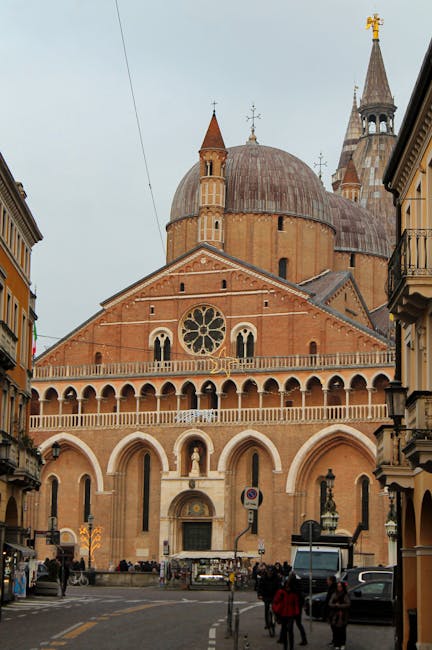
The Basilica di Sant’Antonio (Basilica del Santo) is a major religious complex for Padua and for Christianity. Built between the 13th and 14th centuries, it combines several architectural styles and houses numerous chapels decorated with frescoes, paintings and reliquaries. The site is at once a pilgrimage basilica (tombs and devotional objects of Saint Anthony of Padua), a museum and a living sanctuary where liturgy shapes visitor flow.
Address: Basilica di Sant’Antonio di Padova, Piazza del Santo, 11, 35123 Padova PD, Italy.
Opening hours: the basilica is generally open daily from 6:30 to 19:30; the lower basilica and some chapels may have slightly different hours (check locally). Mass times are posted at the entrance; the main Mass is often celebrated late morning.
Prices: entry to the main basilica is free, but some chapels and annexed museums require a ticket (Museo Antoniano & Tesoro del Santo approx. €6–8). Paid guided tours are available. As in any shrine, donations are accepted.
Immersive description: as you approach, the silhouette of domes and cupolas cuts into the Paduan sky; stepping inside brings you into a multi-level space where light filters through stained glass and illuminates deep and sometimes dramatic fresco cycles. The side chapels contain varied pictorial cycles — works spanning the 14th to the 16th centuries — and some still preserve paintings by Altichiero da Zevio and other local masters that convey a strong narrative intent. Votive scenes, saints’ lives, Marian episodes and allegories are painted to instruct and move: study the details of garments, saints’ attributes, inscriptions and old graffiti — all clues to popular devotion.
Practical tips: plan a quiet visit outside major religious festivals (Saint Anthony’s feast on June 13) if you want to avoid the pilgrim crowds. If you enjoy photography, the lower basilica offers interesting perspectives during the golden hour (late afternoon); nevertheless, respect the rules in worship areas (silence, modest dress). For art lovers, buy the combined ticket that includes the Museo Antoniano and the Tesoro del Santo to see relics, sculptures and liturgical paintings. Finally, take advantage of services to hear sung liturgy — a unique chance to experience how music and images complement each other in the sacred.
Click here to discover the art and relics of Saint Anthony
Battistero del Duomo and Baptistery frescoes — cosmos and sacred iconography
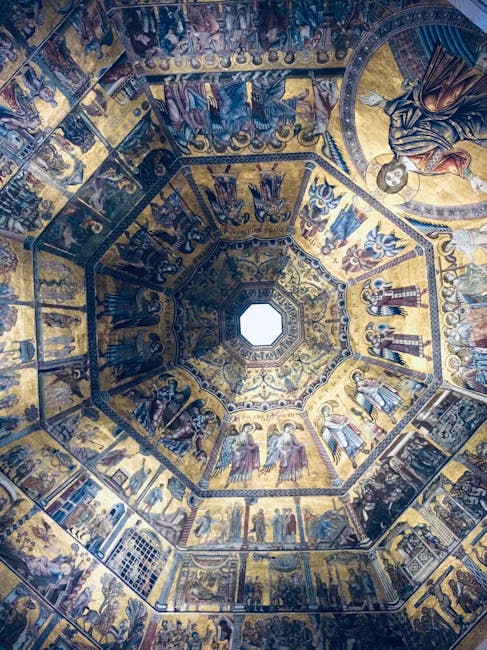
The Baptistery (Battistero) next to Padua’s Duomo is an outstanding example of late medieval mural decoration, with a cosmological and liturgical iconography. Its dome and walls are adorned with scenes about the life of Saint John the Baptist, New Testament cycles and allegorical figures, often attributed to Giusto de’ Menabuoi or his workshop tradition. The effect is intensely contemplative: the painting wraps the visitor like a pictorial « cage » echoing themes of passage and spiritual rebirth central to baptism.
Address: Battistero del Duomo, Piazza Duomo 14, 35122 Padova PD, Italy (next to the Duomo di Padova, Cattedrale di Santa Maria Assunta).
Opening hours: usually open Tuesday through Sunday, 10:00–13:00 and 15:00–18:00; times subject to change with season and services. Closed on some holidays.
Prices: entry is often combined with the Duomo and the Museo Diocesano; combined tickets approx. €4–6. Free access for worshippers during services.
Immersive description: entering the baptistery is to step into a schematic universe where the painting creates a symbolic cosmos: angels, prophets, Gospel scenes and celestial realms stand in a pictorial architecture that lifts the eyes. The iconography intends to instruct the baptized — the adult invited to transformation — through images that narrate the Passion, Redemption and heavenly hierarchy. The palette features ochres, deep greens and reserved reds, with gilding and dark backgrounds enhancing solemnity. Recent restorations have revealed colors closer to the original and iconographic details often hidden under later repainting.
Practical tips: combine the Battistero visit with the Duomo, the Museo Diocesano and a stroll around the Piazza del Duomo. Take an audio guide if available to decode the cycles, or pick up a specialist brochure. The baptistery is quieter in the morning; that’s the best time to study the vault and angelic figures without crowds. Respect closed-off areas and any photography rules; wide-angle lenses are handy for capturing the full dome.
Click here to visit the Baptistery and the Bishop’s Museum
Palazzo della Ragione and Museo Civico agli Eremitani — civic frescoes and fragments of history
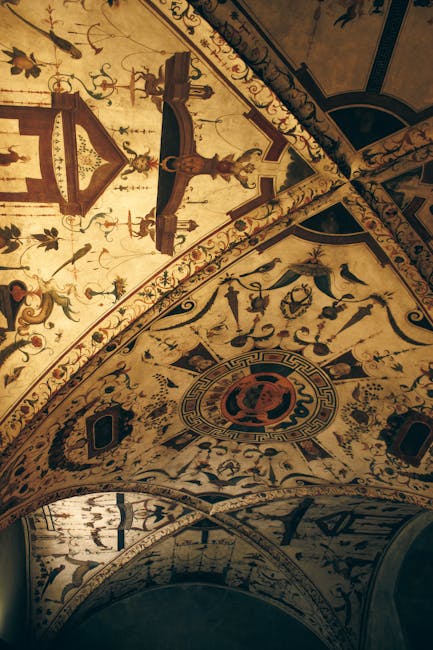
The Palazzo della Ragione, Padua’s civic heart, is famed for its enormous Salone (Great Hall) on the upper floor: a vast medieval « hall of justice » whose vault was once entirely painted. The Salone still preserves a monumental cycle of paintings and decorations that embody civic visual culture: allegories, heraldic scenes, historical episodes and symbolic representations of the world. Nearby, the Museo Civico agli Eremitani displays, in the church and museum rooms, fragments of famous frescoes (notably remnants from Andrea Mantegna’s Ovetari Chapel) saved after World War II destructions.
Address: Palazzo della Ragione, Piazza delle Erbe 10, 35122 Padova PD, Italy. Museo Civico agli Eremitani, Piazza Eremitani 8, 35121 Padova PD, Italy.
Opening hours: Palazzo della Ragione (Salone) often open daily 9:00–19:00; Museo Civico typically Tuesday through Sunday 10:00–18:00 (hours vary with exhibitions).
Prices: Palazzo della Ragione entry approx. €6–8; Museo Civico agli Eremitani ticket approx. €8–12 (temporary exhibitions may raise prices). Combined tickets with other municipal museums available.
Immersive description: experiencing the Salone of the Palazzo della Ragione is unique — you stand beneath a painted vault, a « celestial » ceiling that narrates the hierarchy of knowledge and power, mixing astrological symbols, virtues and allegorical figures. The atmosphere is civic and solemn; imagine medieval hearings, merchants’ assemblies and pleas unfolding under these frescoes. In the Museo Civico the visit turns more emotional: fragments of Mantegna’s Ovetari Chapel, the salvaged debris of destroyed decorations, tell the fragile material story of mural painting. Seeing these visual fragments, reading restoration notes and understanding the layers of history is to confront the vulnerability of mural art itself.
Practical tips: buy a combined ticket if you plan to visit several municipal museums (saves money and simplifies entry). For the Palazzo della Ragione, arrive early to avoid the Piazza delle Erbe market crowds and to enjoy soft light on the vault. At the Museo Civico, follow the signs about the Ovetari fragments and don’t miss the restoration section: it reveals techniques and pigments. Finally, the square around the Palace is a perfect spot for a coffee break; try a caffè corretto or a spritz on a terrace to visually digest what you’ve just seen.
Click here to explore Padua on a 2.5-hour walking tour
Conclusion: how to approach sacred mural painting in Padua — a multi-day itinerary
Padua deserves more than a quick visit. Sacred frescoes are found across varied sites — private chapels, basilicas, baptisteries and public halls — and each calls for a different pace and preparation. To truly take it in, plan a two- to three-day itinerary: a morning at the Cappella degli Scrovegni (booking essential), a half-day for the Basilica di Sant’Antonio and its museums, a morning for the Duomo and Battistero, and an afternoon for the Palazzo della Ragione and the Museo Civico. Between visits, leave time to wander alleyways, sip a cappuccino in the sun and review your sketchbook and notes.
Some final practical tips:
- Booking and timing: the Cappella degli Scrovegni has limited time slots; buy tickets in advance and allow 45 minutes for the timed visit. Municipal museums and the Basilica di Sant’Antonio are more flexible but can be busy on feast days.
- Dress and behavior: in places of worship, dress modestly and behave respectfully (keep quiet, put phones on silent). Some chapels enforce strict photography rules.
- Combined tickets: check combined ticket options (municipal museums, Museo Antoniano, Battistero) to save money and streamline your itinerary.
- Best times: early mornings and late afternoons offer softer light and fewer visitors; lunchtime is often a good moment to visit the Museo Civico.
- Guides and audio guides: a local guide or an audio guide will enrich the experience by explaining iconography, techniques and the history of commissions.
- Transport and access: Padua is compact and easily explored on foot or by bike; the train station (Padova Stazione) is within walking distance of major sites. Bring comfortable shoes.
Ultimately, Padua’s pictorial wealth reveals itself through multiple approaches: before Giotto you’ll be struck by narrative invention; in the basilica chapels by devotion and the accumulation of votive gifts; in the baptistery by a cosmos that envelops the baptismal rite; and in the Palazzo by the civic and symbolic dimension of mural painting. Each place is a laboratory of meaning where images speak to memory and faith. Take your time to look, reread and return: often a second or third viewing reveals details invisible at first glance. Padua doesn’t just display sacred art — it invites you to live it.
Click here to book a private tour including the Scrovegni Chapel