





Introduction: Why Reading Padua’s Frescoes Will Change How You See the City
Padua (Padova in Italian) is a place where religious and civic art reads like an open book across walls and vaults. Frescoes—whether fully preserved and protected in chapels like the Cappella degli Scrovegni or fragmentary and reassembled in the Musei Civici agli Eremitani—tell stories of faith, politics, patrons, and pictorial innovation. Learning to « read » these images—recognizing figures, understanding symbols, identifying gestures—turns a casual stroll into a rich, interpretive experience. This guide gives you a practical roadmap to the main fresco sites in Padua, suggests nearby stops, provides exact addresses, opening hours and ticket prices, and shares local tips to better sense the intentions of painters and patrons.
Padua’s wealth of art stems largely from the rise of narrative painting in the early Renaissance, when Giotto and the artists who followed him gave fresco cycles a new dramatic power. These cycles recount saints’ lives, biblical episodes, and political allegories. But the images were not only works of art: they served as teaching tools for a largely visual population and displayed the ambitions of families and local institutions. Spotting clues—an expressive hand, an object placed in the foreground, the arrangement of figures in space—lets you follow a story without needing a constant audio guide.
In this guide we’ll visit several major sites: the Cappella degli Scrovegni (the Scrovegni Chapel), the Musei Civici agli Eremitani (where fragments from the former Cappella degli Ovetari are preserved), the Basilica di Sant’Antonio di Padova, the Palazzo della Ragione, and a handful of smaller oratories and chapels where frescoes still convey their messages. For each place you’ll find the exact address, typical opening hours, entrance fees in euros, and practical recommendations—how to book, when to go to avoid crowds, and what to look for to read a scene like an art historian. We’ll also give symbolic reading tips: how to spot the hierarchy of figures, the use of color, saints’ attributes, and how perspective and scale create meaning.
Finally, this guide is aimed at both curious travelers and seasoned readers of art: it offers thematic entries (religious symbols, civic clues, political readings) and suggested half-day or full-day routes. With concrete details—addresses, prices, hours—you can plan your visit to Padua and get the most out of it, knowing not only where to look but what to look for. Prepare your eyes, notebook, and camera (respect any photography restrictions): Padua’s walls have a lot to say.
Cappella degli Scrovegni: Giotto’s Narrative Masterpiece
Address: Cappella degli Scrovegni, Piazza Eremitani, 8, 35121 Padova PD.
Opening hours: generally open Tuesday to Sunday, 9:00–19:00 (entries every 15–20 minutes); closed on Mondays. Check times and book online in advance—entry is limited to time slots to protect the frescoes.
Price: standard ticket around €15.00 (reduced and family rates available online; audio guide often included or offered for about €3.00–€5.00).
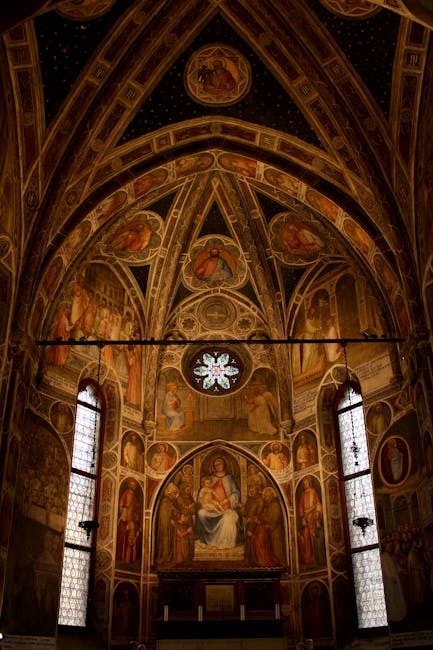
Immersive description: The Cappella degli Scrovegni is relatively small, but every inch of its surface is covered by Giotto’s fresco cycle (circa 1305). The iconography unfolds the Life of the Virgin and Life of Christ on the lateral walls, while the celestial vault and the Last Judgment at the south end complete a coherent thematic program. From the moment you enter, the scenes strike you with their clarity: Giotto arranges figures in distinct planes, giving gestures a new expressiveness. The colors, though aged, remain surprisingly powerful: lapis blue and ochres, contrasts of reds, and the gold of halos help structure the visual reading.
Tips for reading the frescoes: 1) Start at the lower register and work your way up—Giotto tells the story sequentially. 2) Look for attributes: books, keys, and holy garments. 3) Watch hand positions; in Giotto’s work hands often tell almost as much as faces. 4) Notice painted architectural spaces; they create narrative depth and lead your eye. 5) Spend time with the Last Judgment—it’s a theological summary where every element (angels, the blessed, the damned) is placed for maximum moral and visual impact.
Practical advice: book in advance via the official site (Musei Civici di Padova or the official ticketing manager), arrive 10–15 minutes before the time printed on your ticket, avoid large bags (cloakrooms are sometimes available), and respect the climatic pause—visitors are led through a climate-controlled waiting room for 15–20 minutes before entry so the air inside can be stabilized to preserve the frescoes. Photography rules are strict—follow the instructions.
Musei Civici agli Eremitani and Cappella degli Ovetari: Fragments, History, and Reconstruction
Address: Musei Civici agli Eremitani, Piazza Eremitani, 8, 35121 Padova PD. This museum complex adjoins the Cappella degli Scrovegni and houses works from the Cappella degli Ovetari.
Opening hours: generally open Tuesday to Sunday 9:00–19:00; closed on Mondays. Check holidays and special closures.
Price: entry to the Musei Civici around €6.00–€8.00; combined tickets for Cappella degli Scrovegni + Musei Civici are often available around €18.00–€20.00 depending on offers and reductions.
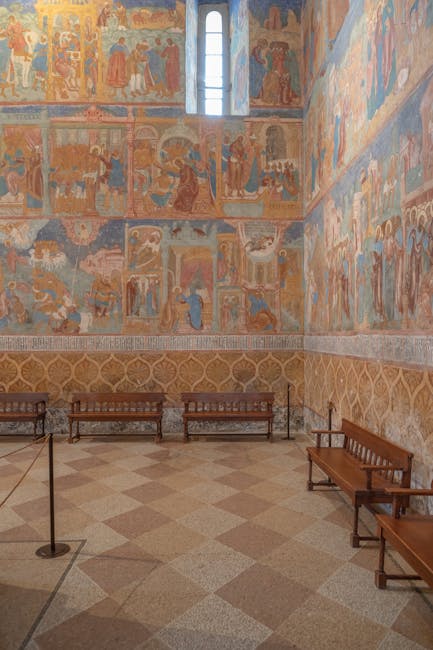
Immersive description: The museum displays fresco fragments and painted panels rescued after the Second World War; among them are remains from the Cappella degli Ovetari, once richly decorated by Andrea Mantegna and other artists. Walking through the museum’s rooms feels like encountering fragments torn from their original context and reassembled like pieces of a puzzle. The fragments reveal technique—the paint layers, retouches, and conservation interventions. Pay attention to materials: pigments, gesso, binder layers, and traces of charcoal or preparatory drawings.
How to read fragments: 1) Look for borders: they often indicate joins with painted architecture. 2) Note the scale of figures: isolated fragments can be misleading—imagining their original placement helps reconstruct the narrative. 3) Learn the original iconographic program: that context allows you to place each piece within a complete story. 4) Use the museum labels and reconstruction drawings; they are invaluable guides to understanding what no longer exists in situ.
Local tip: combine this visit with the Cappella degli Scrovegni on the same day for better perspective. Allow 1.5 to 2 hours to explore the museum, read the panels, and examine techniques. The museum shop offers high-quality prints and reproductions that are helpful for continuing your study after you return home.
Palazzo della Ragione, Basilica di Sant’Antonio and Other Spots: Civic Frescoes and Popular Devotion
Palazzo della Ragione
Address: Palazzo della Ragione, Piazza delle Erbe, 1, 35122 Padova PD.
Opening hours: generally open 9:30–19:00; closed on certain holidays. Check the local calendar for temporary exhibitions.
Price: entry around €6.00 (reduced rates for students and seniors). Combined tickets with other sites may be available.
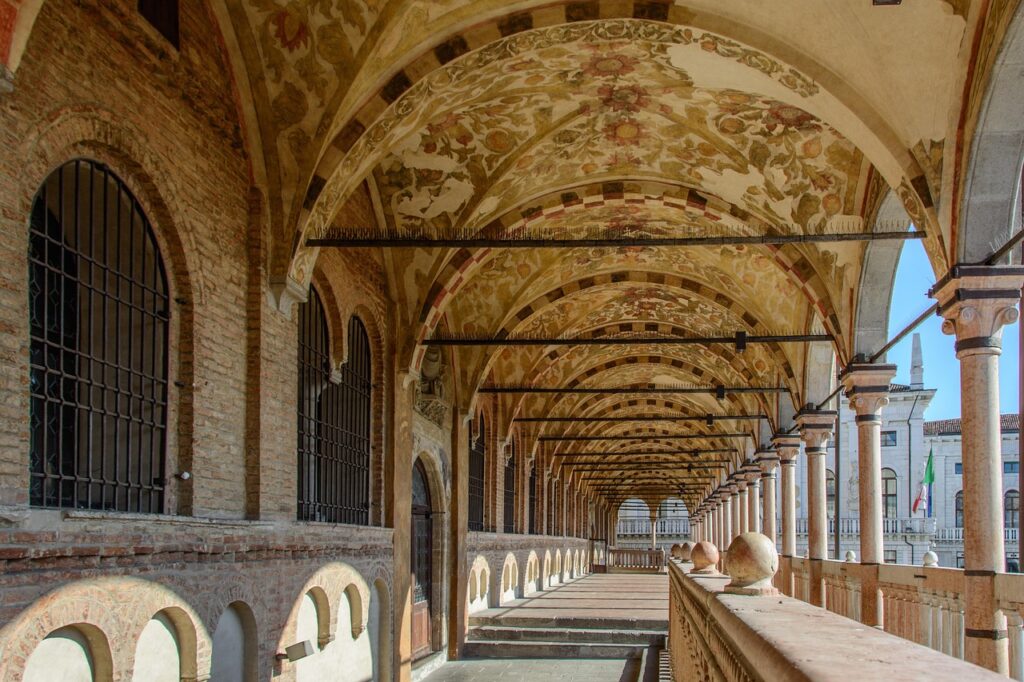
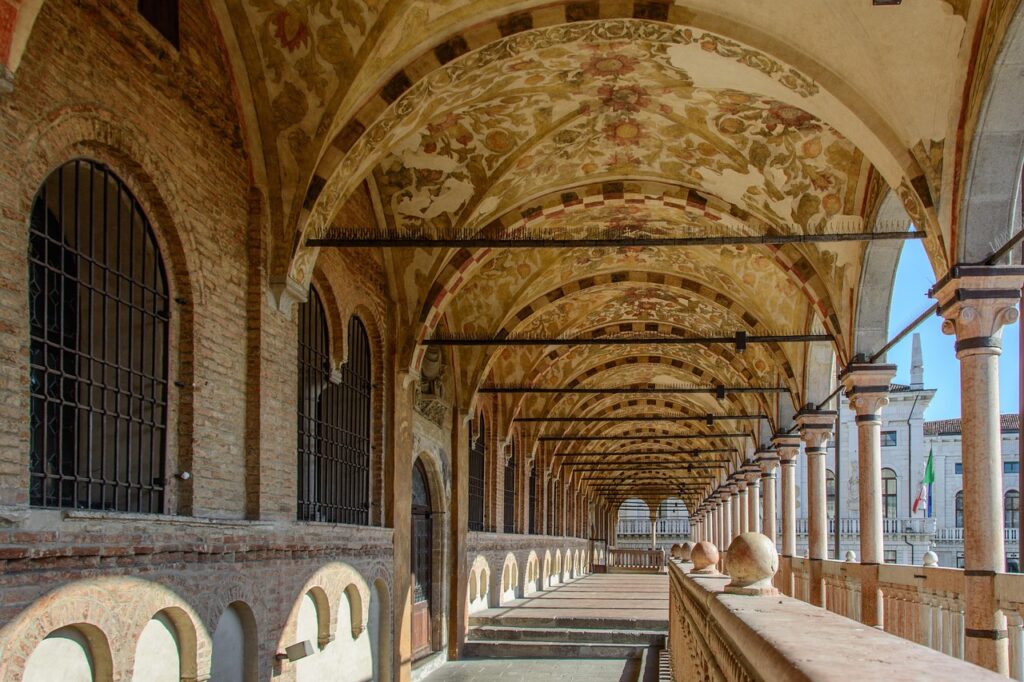
Immersive description: The vast Salone of the Palazzo della Ragione, which sits above the historic market, is covered with a complex cycle of medieval and Renaissance wall paintings. The ceiling and walls were used to display the order of the world, justice, and civic memory. These frescoes address civic themes—allegories of justice, scenes of urban life, and mythological figures reframed to speak to the citizens about the city and its governance.
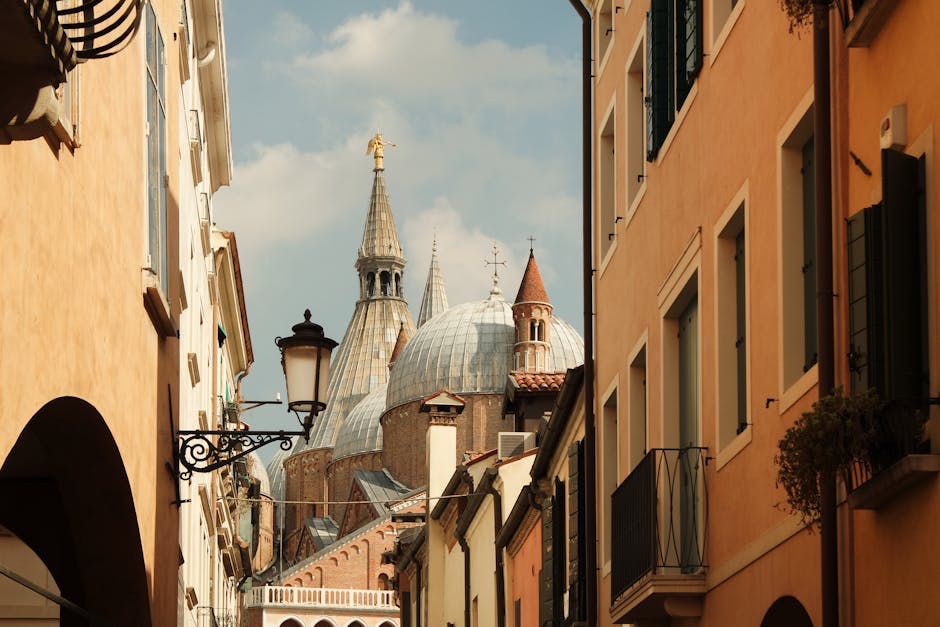
Basilica di Sant’Antonio di Padova
Address: Basilica di Sant’Antonio, Piazza del Santo, 11, 35123 Padova PD.
Opening hours: the basilica is open from early morning until evening, typically 06:00–19:30; service times vary (daily masses and special ceremonies on Sundays and feast days).
Price: entry to the basilica is free (donations are welcome for upkeep). Some chapels or attached museums may require a ticket or donation.
Immersive description: The Basilica del Santo is a sprawling complex where popular devotion meets pictorial cycles. Several side chapels house frescoes and paintings dedicated to episodes in the saint’s life and local devotions. These images are often less « theatrical » than Giotto’s cycles but express a strong spiritual closeness: processions, ex-votos, confraternity frescoes and oratories show how art served daily piety.
Other sites to know: the Oratorio di San Giorgio and the Oratorio di San Michele (access depends on restoration and opening schedules) can reveal lesser-known but highly expressive cycles—check at tourist information offices (IAT Padova in Piazza del Santo or Piazza delle Erbe) for access times. The Museo del Precinema and the Museo del Risorgimento round out the city’s cultural panorama and help trace the continuity between image and civic memory.
Practical tips: arrive early at the Basilica di Sant’Antonio to take advantage of interior light that highlights paintings. At the Palazzo della Ragione, go up to the terrace if accessible: the view over the roofs and low-angle light helps you see colors and textures more clearly. Consider hiring a local guide for deeper explanations of civic symbols and the political meanings behind painted cycles.
Interpreting Symbols: Keys to Deciphering Frescoes
Frescoes are coded visual texts: colors, attributes, positions and objects carried shared meanings at the time they were made. Understanding these codes lets you quickly decode scenes. Here are practical keys and examples drawn from Padua.
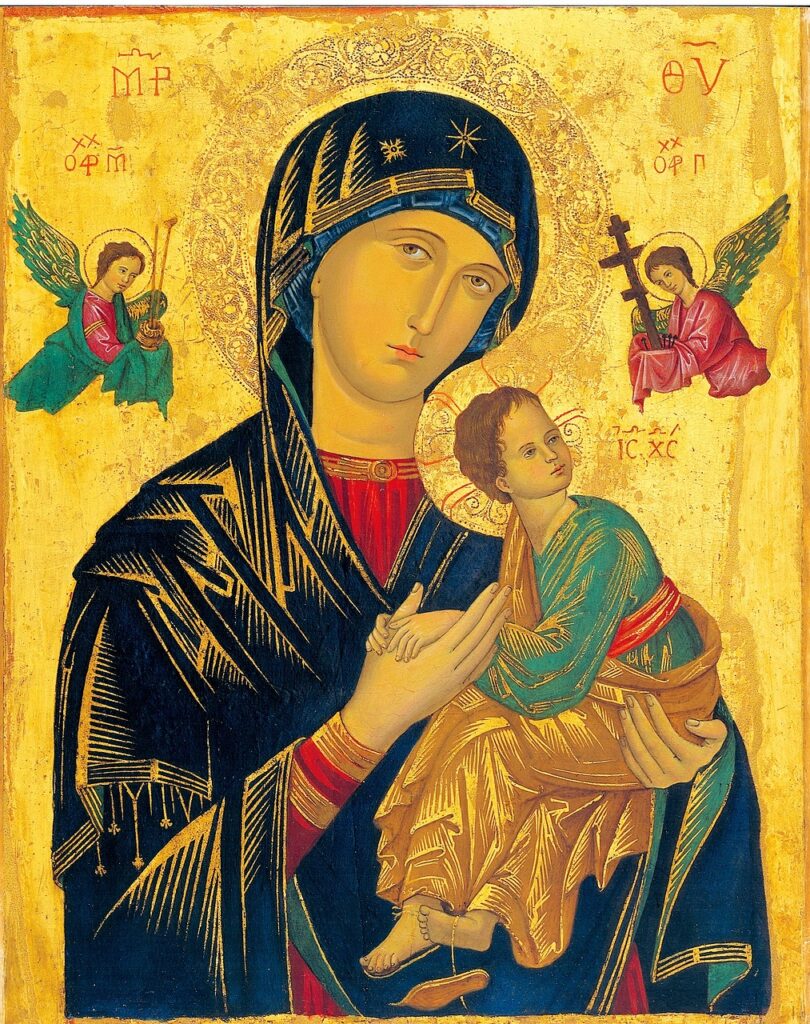
- Colors: blue (often lapis) signals divine dignity and Marian presence; red can mark passion, power, or martyrdom; green evokes life and hope. In the Cappella degli Scrovegni, the blue of the vault becomes the cosmic stage for the narrative.
- Saints’ attributes: a book often indicates teaching or the Gospel; keys point to Saint Peter and ecclesiastical authority; a palm branch signals martyrdom. Spot these objects in the foreground—they’re immediate identifiers.
- Gestures and gaze: the direction of a figure’s gaze invites you to read the scene in a certain order. In Giotto, a downcast look signals humility, while a hand gesture directs the narrative.
- Painted architecture: painted columns, arches and porticoes often mark spatial hierarchy—a figure placed inside a painted building is symbolically « inside » a power or sacred sphere.
- Composition: central scenes carry the narrative focal point; upper and lower registers often play chronological or moral roles (for example, upper register: heavenly; lower register: earthly).
Practical exercise: in any chapel, first identify the narrative center (Christ, the Virgin, the patron saint), then note three visible attributes and describe what they might mean. Next, try to place the scene in a chronological logic (beginning, middle, end). This short exercise sharpens the eye and turns viewing into an active investigation.
Conclusion: Read Padua Like a Library of Stone and Color
Padua is an open-air school for anyone who wants to learn how to « read » frescoes. From the Cappella degli Scrovegni, where Giotto laid the foundations of modern pictorial narration, to the Musei Civici agli Eremitani, which present broken but eloquent fragments, every site is a page of history. Adding the Palazzo della Ragione and the Basilica di Sant’Antonio to your itinerary helps you understand the variety of fresco functions: educational, liturgical, civic, and commemorative. The addresses and opening hours given here let you plan a concrete visit, while the observation tips provide tools to decode images on the spot.
When you come, remember to book the major sites (especially the Cappella degli Scrovegni) and mix museum visits with walks to grasp the city as a whole. Take breaks in historic cafés around Prato della Valle or on medieval squares—they offer additional perspectives on how Padua has preserved the relationship between civic space and image. Finally, keep in mind that reading frescoes improves with time: revisiting, comparing, and cross-referencing images with written sources will reveal the multiple readings each wall allows. Padua is not just an open-air museum; it’s a living library where color and stone speak—and every visitor can learn to translate an immortal story.