




Introduction : Mosaics of Padua, millennial shards to discover
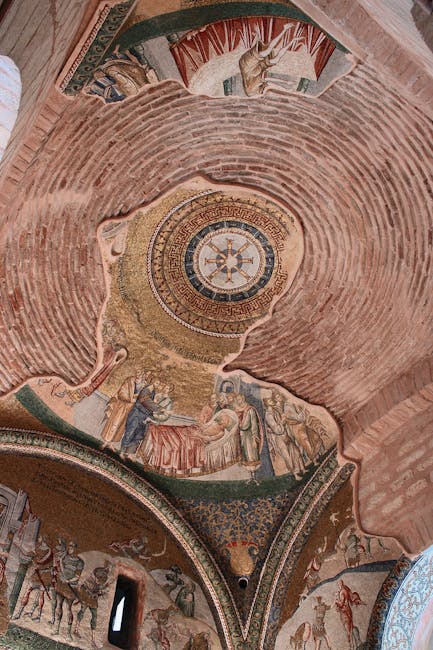
Padua (Padova in Italian) is often celebrated for its ancient university, buzzing squares and Giotto frescoes. But the city also hides a less-publicized yet equally fascinating treasure: its mosaics. Tiny pieces of glass, stone and terracotta form images that have survived for centuries, telling the religious, civic and artistic story of the city. In basilicas, baptisteries, archaeological museums and sometimes even underfoot in plazas and paving stones, Padua’s mosaics offer a sensory and intellectual journey — a direct encounter with old techniques, Byzantine, Roman and medieval influences, and modern restorations that protect them.
This article offers a comprehensive, practical guide to these mosaics: where to see them, how to understand the techniques, which sites to visit for full immersion, opening hours and likely prices, and tips for photographing, respecting and better appreciating these often fragile works. You’ll find detailed descriptions of major sites — such as the Battistero della Cattedrale (the baptistery), the Museo Civico agli Eremitani and its archaeological collections, and the rare paved mosaics that still survive in the historic center. Each location includes exact addresses, expected prices in euros, typical opening hours and local tips to help you make the most of your visit.
Mosaics are not just things to look at: they are surfaces meant to be seen in motion, in the shifting light of a Venetian sun or the sacred twilight of a sanctuary. They speak of piety, power, the skill of anonymous craftsmen and the commissions of patrons. In museums, fragments also tell the urban story — from Roman villas uncovered to medieval workshops that used colored glass tesserae imported from afar. Understanding a mosaic means reading a layer of local and transregional history: trade routes, artistic exchanges, metallurgical techniques used to create gold tesserae. That’s why this guide emphasizes historical context as much as practical information for today’s visitor.
Finally, for those who want to go beyond a simple glance, the guide provides information on workshops, themed guided tours and restoration centers where specialists now work to preserve these mosaics. You’ll learn how to book, what precautions to take (photography, conservation distances), and how to combine these visits with other Padua must-sees: Piazza dei Signori, the Basilica di Sant’Antonio, and the Prato della Valle. Whether you’re a Byzantine art lover, an archaeology enthusiast or just curious, this overview will let you approach Padua from a fresh angle — that of its millennial shards. Grab your notebook, your camera and comfy shoes: the mosaics await.
Must-see sites to view mosaics in Padua
Padua offers several places to admire mosaics from different periods. Here’s a selection of the major sites with descriptions, exact addresses, indicative prices and usual opening hours. It’s wise to check official sites before each visit, as temporary exhibitions and restoration work can alter openings.
Battistero della Cattedrale (Padua Baptistery)
Address : Piazza del Duomo, 35122 Padova.
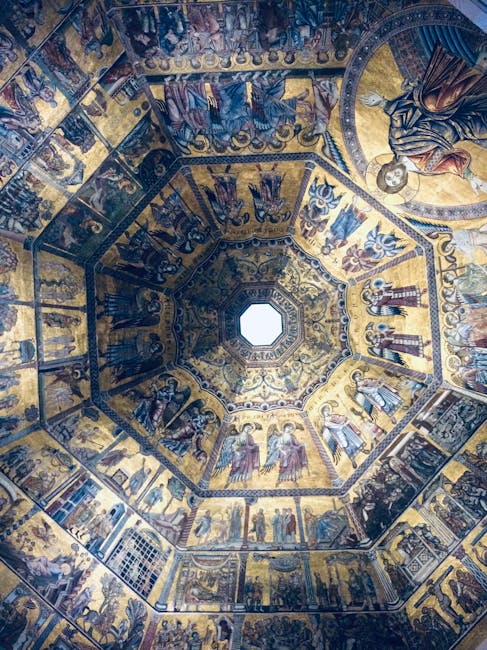
Description : Attached to the Cattedrale di Santa Maria Assunta, the baptistery houses an exceptional ensemble of mosaics and frescoes dating mainly from the 14th and 15th centuries, with older fragments that echo an earlier Byzantine tradition. The flooring and some wall surfaces feature tesserae arranged in geometric and figurative patterns: scenes from the life of Christ, saints and allegorical figures. The atmosphere is intimate — soft lighting makes the gold and colored tesserae sparkle, and the close view lets you appreciate the craftsmen’s meticulous work.
Opening hours : usually 8:30–12:30 and 15:30–18:30 (varies with season and mass times).
Price : entry is often included in a combined ticket for the Duomo and Baptistery, indicative price: €3.00–€5.00. Free during some religious celebrations.
Tips : visit late morning for light that highlights the gilding; respect barrier zones for conservation; ask staff for details about local conservation programs.
Museo Civico agli Eremitani and Archaeological Museum
Address : Piazza Eremitani, 8, 35121 Padova.
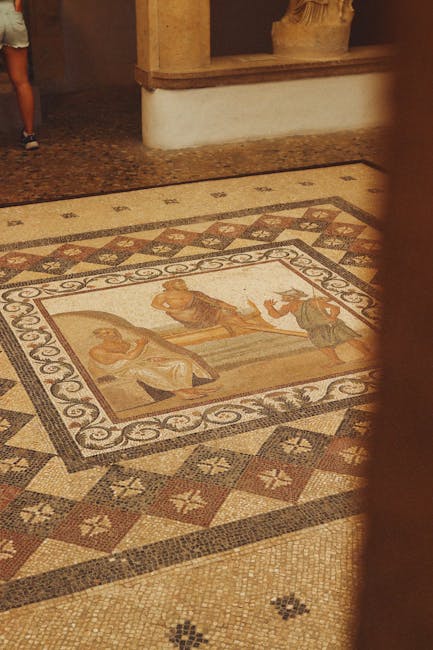
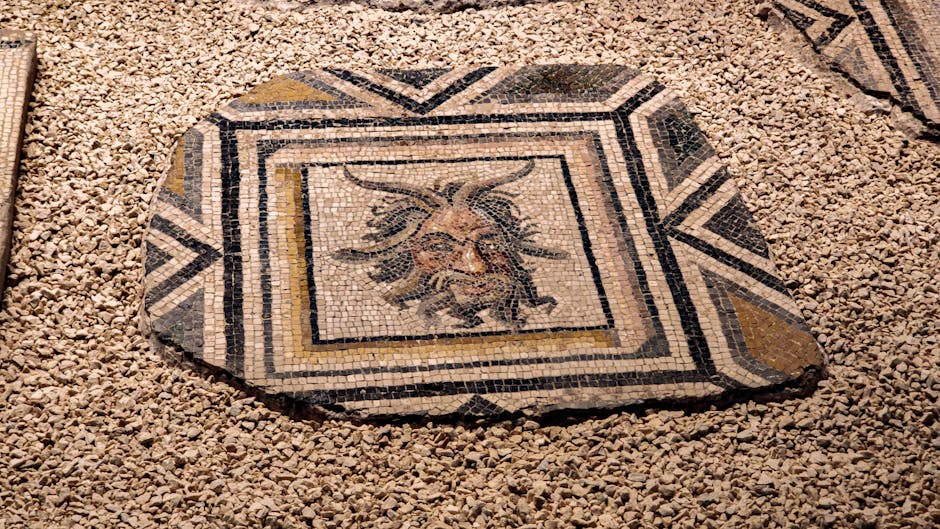
Description : The Eremitani museum complex houses archaeological and medieval art collections. In the archaeological section you’ll find several pavements and mosaic fragments from Roman villas in and around Patavium (ancient Padua). These polychrome mosaics often depict mythological scenes, animals and geometric motifs crafted from stone, marble and glass tesserae.
Opening hours : generally 9:00–19:00 (closed Mondays depending on the season). Hours may vary due to temporary exhibitions.
Price : standard entry around €8.00–€10.00 (reduced rates for students and seniors). Combined tickets may be available with other civic museums.
Tips : favor the themed guided tour “Mosaics and Archaeology” if available; take time to study the catalogue of finds — many objects recovered near the mosaics reveal clues about their domestic use.
Basilica di Sant’Antonio di Padova (The “Santo”)
Address : Piazza del Santo, 11, 35123 Padova.
Description : The basilica dedicated to Saint Anthony of Padua is best known for its architecture, decorated chapels and artworks. You can find mosaic surfaces and polychrome decorations here, notably in some side chapels and on ancient pavements. These mosaics depict sacred scenes and symbolic ornaments that complement the rich interior decoration of the “Santo.”
Opening hours : generally 6:00–12:30 and 14:30–19:00 (extended hours during liturgical celebrations).
Price : access to the church is free; entry to certain adjoining museum spaces (Museo Antoniano, sacristy access) may be charged, with fees around €3.00–€6.00.
Tips : visit early in the morning to avoid pilgrim crowds; spot mosaics in the side chapels and ask for the information sheet at reception for historical details.
Paved mosaics and urban fragments: Piazza del Duomo, Via Altinate and Prato della Valle
Address(es) : Piazza del Duomo, 35122 Padova; Via Altinate (historic thoroughfare); Prato della Valle, 35123 Padova.
Description : While wandering the historic center you’ll sometimes come across mosaic fragments reused in portals, medieval houses or displayed on outdoor museum stands. Piazza del Duomo and Via Altinate — former streets of the Roman city — have yielded tesserae discovered during excavations. Prato della Valle, a large circular esplanade lined with statues, occasionally hosts temporary displays that showcase mosaics found in the urban fabric.
Opening hours : public spaces accessible at all times; museums and temporary installations follow variable opening hours.
Price : free for public spaces; some small outdoor exhibits may ask for a symbolic donation or be part of municipal ticketing.
Tips : follow the information plaques and QR codes often placed near archaeological finds; many recent excavations have been published online by the Soprintendenza.
Techniques, history and interpretation of Paduan mosaics
Understanding a mosaic is more than seeing a set of colors: it’s about grasping the technique, the production chain, the liturgy and the symbolic message. Padua’s mosaics span a long historical period — from the Roman world (1st–4th centuries CE) through the early Middle Ages, and then a renewed return to more complex decoration during the communal era under Byzantine influence.
Technique : The tesserae are small square or irregular pieces made of marble, limestone, smalti (colored glass), glass paste, and sometimes gold leaf sandwiched between two sheets of glass. On floors, tesserae are laid on a bed of mortar, sometimes in multiple layers to ensure stability and flatness. Wall mosaics use similar methods, but the precision of the design is often higher, with smaller tesserae used for facial features and ornate details.
Stylistic influences : Padua, close to the Venetian lagoon and connected to maritime routes, received Byzantine contributions — notably the use of gold backgrounds and elaborate iconography for sacred scenes. Ancient Roman style favored mythological scenes and figurative compositions in villas. By the late Middle Ages, local traditions incorporated Gothic elements and iconographic solutions tied to the particular Catholic devotions of local institutions.
Iconographic interpretation : Paduan religious mosaics often display narrative cycles (Life of Christ, Lives of Saints) arranged in registers. Roman domestic mosaics can depict banquet scenes, hunting scenes or votive inscriptions. For visitors, it helps to learn a few visual cues: Christ in majesty often holds an open book (symbolizing the Gospel), saints are identifiable by their attributes (e.g., Saint Anthony with a book and sometimes a small child), and mythical animals may symbolize virtues or vices depending on context.
Conservation : Mosaics are fragile — sensitive to humidity, thermal variations, foot traffic and vibrations. That’s why many Roman pavements are displayed behind glass or conserved in museums. The Soprintendenza per Archeologia, Belle Arti e Paesaggio for the provinces of Padova and Rovigo oversees many restoration interventions, often carried out on-site or in specialized laboratories.
Interpretation tips for visitors :
- Read the labels: most museums and churches provide explanatory labels that give dating, provenance and techniques.
- Study the tessellation: get close (without touching) to appreciate tessera size; the smallest pieces usually indicate highly precise workmanship.
- Compare: looking for parallels between a Roman pavement and a medieval decoration can reveal interesting iconographic continuities.
Practical visits: tickets, hours, routes and local tips
Visiting Padua’s mosaics requires a bit of planning. Here are detailed pieces of information and suggested routes to optimize your stay, with addresses, prices and indicative opening hours. Rates and hours can change; always check official sites before you go.
Recommended half-day itinerary :
- Morning : Scrovegni (if you also want to see Giotto’s frescoes) — Piazza Eremitani, 8, 35121 Padova. Although the Scrovegni is primarily famous for its frescoes rather than mosaics, it’s a major cultural starting point. Ticket: around €15.00 (timed reservation required). Hours: 9:00–19:30 (seasonal).
- Late morning : Museo Civico agli Eremitani — Piazza Eremitani, 8. View the Roman and medieval mosaics on display. Entry: around €8.00–€10.00. Hours: generally 9:00–19:00.
- Afternoon : Cattedrale di Santa Maria Assunta and Battistero — Piazza del Duomo, 35122 Padova. Combined ticket for these sites: around €3.00–€5.00. Hours vary, often open in the morning and late afternoon.
Other practical tips :
- Booking: for the Scrovegni, booking is often mandatory for a specific time slot. Tickets sell quickly in high season (April–October).
- Combined tickets: look for municipal combo tickets (Padova Card or combined museum passes) which sometimes include the Museo Civico, the Battistery and other sites for a good saving.
- Photography: most museums allow photos without flash; inside churches, respect prohibitions. Use a fast lens to capture details without flash.
- Access: Padova train station (Stazione di Padova, Piazzale della Stazione) is a 15–20 minute walk from the historic center; several bus lines also serve the center.
- Language: main museums provide audio guides or leaflets in English and Italian; for in-depth explanations, opt for a guided tour in English or another language bookable via tourist offices.
- Respect: some mosaics remain liturgical or commemorative objects: avoid loud talking, don’t touch and stay behind barriers.
- Accessibility: historic buildings may have steps and limited access; inquire in advance about specific needs (lifts, wheelchair access).
Workshops, restoration and hands-on mosaic experiences
For travelers wanting a deeper dive, Padua offers more active experiences: behind-the-scenes visits to restoration workshops, beginner mosaic courses and lectures organized by museums and local universities.
Centers and workshops :
- Soprintendenza Archeologia, Belle Arti e Paesaggio per le province di Padova e Rovigo — headquarters and labs sometimes announce guided visits during restoration interventions. Administrative address: Via San Massimo (check the site for visits).
- Private workshops and art schools: several private ateliers and local schools (for example in the Università district) offer courses from half-day sessions to multi-day workshops on cutting and setting tesserae. Rates: intro workshops around €40–€80 per person for 2–3 hours; intensive workshops cost more.
- University of Padua (Università degli Studi di Padova) : the Conservation and Restoration faculty occasionally offers public seminars and lectures; consult the academic calendar.
Backstage visits :
When restoration labs open to the public (usually by reservation), you can observe procedures: sampling, consolidating supports, partial reconstruction using compatible mortars, and aesthetic integration of gaps. These visits are particularly enlightening for understanding why some mosaics are displayed under plexiglass and why others have been moved to museums.
Hands-on workshops for travelers :
- Duration : 2–3 hour sessions to create a small mosaic panel (20×20 cm) under the supervision of a restorer or artist.
- Price : €40–€120 depending on duration and materials used.
- Content : introduction to materials (smalti, marble, glass), setting technique, use of mesh backing, finishing and sealing.
Participation tips :
- Book in advance during high season.
- Wear comfortable clothes and possibly an apron (workshops can be messy).
- Check the languages available — some workshops may not offer instruction in French.
Conclusion : Take home a fragment of Padua — final recommendations and extended itineraries
Padua is best discovered layer by layer: the university, the basilica, frescoes, and for those who take the time, its mosaics — millennial shards that testify to a constant dialogue between cultures and techniques. Walking the city from the Duomo’s Battistery to the Museo Civico agli Eremitani, passing ancient pavements and the interiors of the Basilica di Sant’Antonio, you’ll witness an ancient materiality that has endured. Every tessera is a letter in a visual alphabet whose study enriches the visit.
For a mosaic-focused weekend :
- Day 1 : Morning — Museo Civico agli Eremitani; Afternoon — Cattedrale and Battistery; Evening — stroll at Prato della Valle.
- Day 2 : Morning — the Santo basilica and side chapels; Afternoon — a mosaic workshop or visit to a restoration lab; late afternoon — wander Via Altinate and stop at a historic café to debrief.
Some extra practical recommendations :
- Wear comfortable shoes: you’ll be walking on ancient, sometimes uneven surfaces.
- Bring a light jacket even in summer for cooler church interiors or air-conditioned spaces.
- Consider the Padova Card or combined tickets if you plan to visit several cultural sites: the savings can be substantial.
- Respect conservation rules: no flash, no touching, stay behind barriers.
Finally, beyond the visit, consider extending your discovery to the Venetian lagoon and Verona: the region is rich in other mosaics and artisanal traditions, and travel times between cities are short. But above all, give yourself time in Padua: to look long at a mosaic is to accept reading history in small pieces, to appreciate the patience of the hands that laid them and the dedication of conservators who protect them. Padua’s mosaics do not reveal themselves instantly; they demand a patient, curious and respectful gaze — and if you give them that, they return a treasure of stories, colors and ever-renewing light.
Safe travels to Padua: may your steps lead you to sparkling tesserae and may every fragment you observe become a lasting memory of this millennial city.