





Introduction — Basilicas and Mosaics: Byzantine Splendors in Town
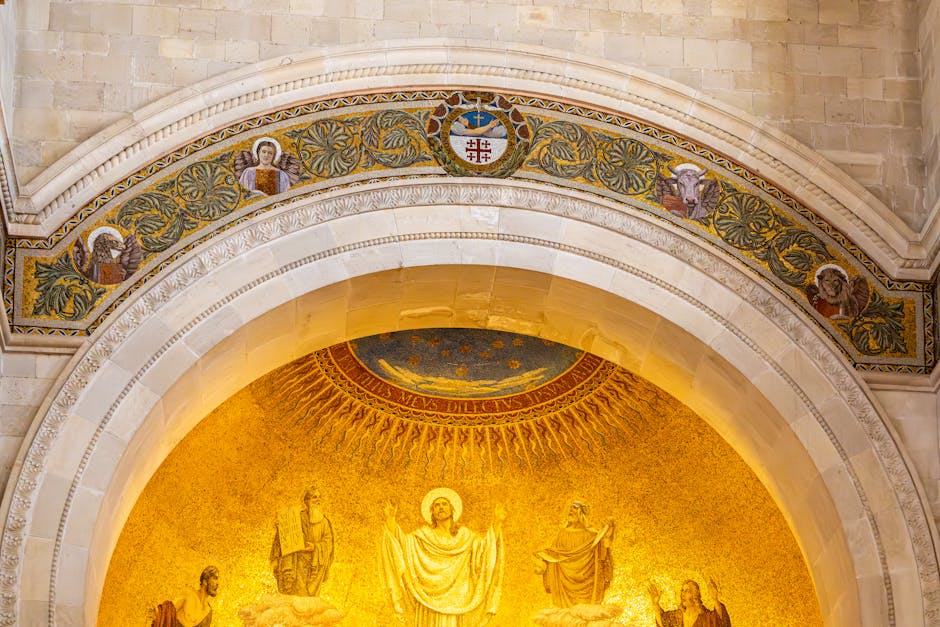
Padua (Padova), a city of art and pilgrimage in the Veneto region, offers a fascinating glimpse into the cultural exchanges between Latin Western Europe and Byzantine East. While most visitors immediately think of Giotto and his frescoes in the Cappella degli Scrovegni, the city’s religious heritage also contains decorative elements, architectural features and iconographic motifs that reveal a diffuse Byzantine influence — think mosaics, gilded ornament, polychrome marbles and chapels where liturgy and symbolic richness recall the Christian East.
This article is a practical, informed guide for anyone wanting to explore “Byzantine splendors in the city.” Rather than attempting an exhaustive inventory of strictly Byzantine works (you’ll find more pure mosaics in Ravenna or Venice), it highlights Padua’s basilicas, chapels and museums where Eastern legacy is visible: icons, mosaic-like decorations, marble floors with Eastern-inspired patterns, and a visual tradition that fed local artists. You’ll find full place names, exact addresses, practical info (hours and admission), immersive descriptions of what to see, and local tips to make the most of your visit.
The suggested walk is on foot through the historic center: from the great Basilica di Sant’Antonio di Padova (the « Santo »), the emblem of pilgrimage, to the Cappella degli Scrovegni — a painting masterpiece which, despite a different technique, shares with Byzantine mosaic a taste for sacred storytelling and luminous gold. Along the way you’ll encounter the Duomo and its Baptistery, sites where frescoes and decorations recall Eastern liturgical cycles, and civic museums that keep fragments, stained glass and objects with Eastern inspiration.
This guide is aimed at the curious traveler: independent visitors, art history students, pilgrims and photographers. Practical details were accurate at the time of writing; nevertheless, opening hours and prices can change, especially in high season (spring–summer) or during liturgical and museum events. Each venue entry includes local tips — when to go to avoid crowds, where to stand to photograph without disturbing, and how to combine visits to optimize your time.
You’ll also find visual markers 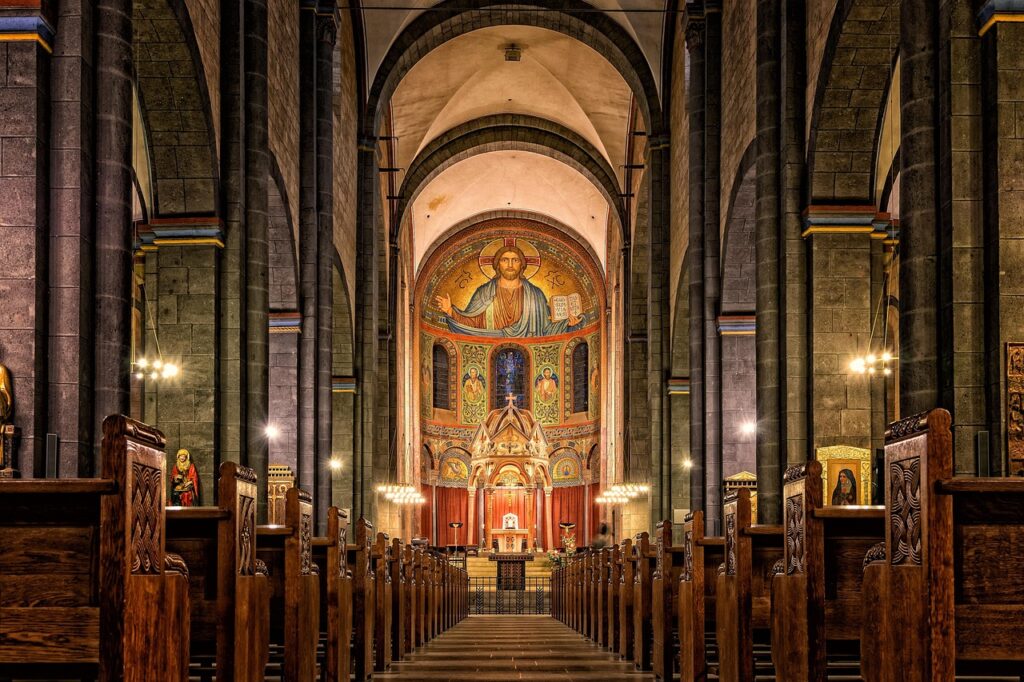 throughout the text: they suggest images to look up to complete your photographic prep and travel inspiration.
Basilica of Saint Anthony (Basilica di Sant’Antonio di Padova) — the pilgrimage heart and its Eastern echoes
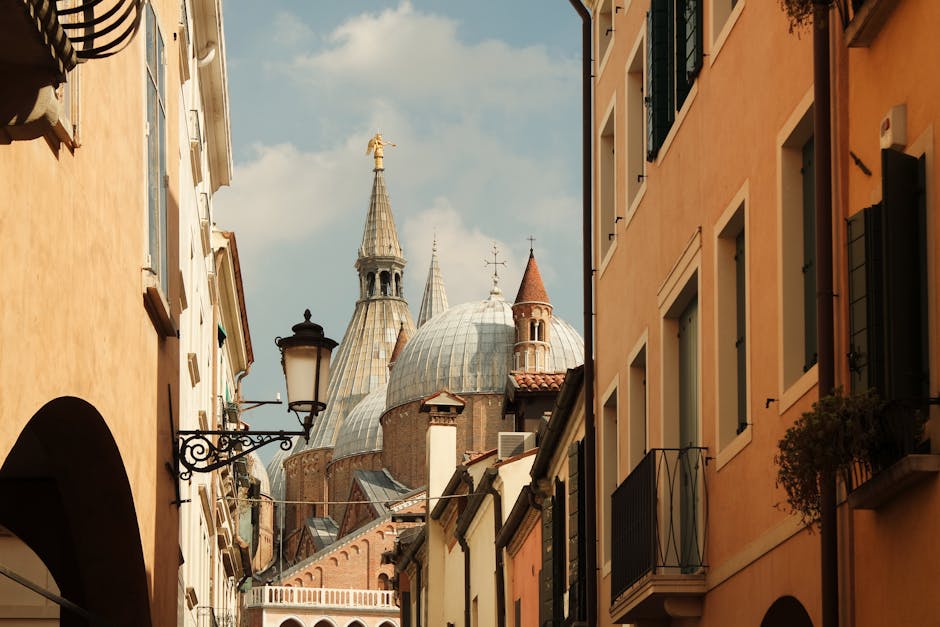
The Basilica di Sant’Antonio di Padova (Piazza del Santo, 11, 35123 Padova PD) is one of Italy’s most visited religious sites. Often called « Il Santo, » this multi-shaped basilica is the result of centuries of building, blending late Romanesque, Gothic and Renaissance styles with decorative elements inspired by the East — reliefs, polychrome marbles and chapels that by certain measures evoke Byzantine solemnity.
Address: Piazza del Santo, 11, 35123 Padova PD, Italy.
Opening hours: generally open daily from 6:30 to 19:30 (times can extend for services and pilgrimages); some chapels and the treasury may be accessible depending on clergy schedules. It’s a good idea to check the Basilica’s official site for mass times and guided tour information. Admission: the basilica is free to enter; the Museo Antoniano and some closed sections may request donations or special tickets (see below).
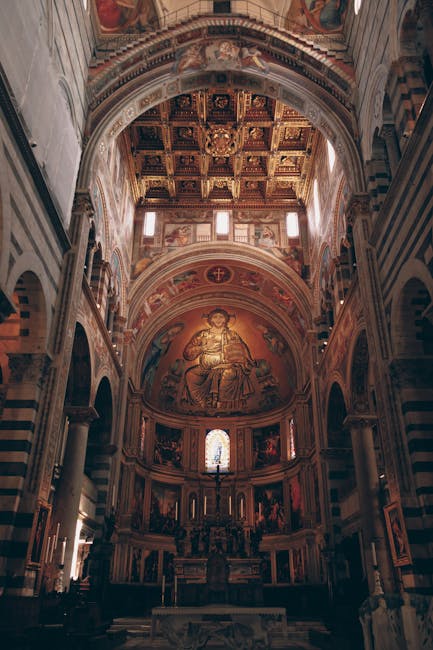
What to see: the main church with its Italian-style choir, the Cappella del Santo (housing the saint’s tomb) and the Cappella delle Reliquie. Interiors feature polychrome marbles, finely carved column capitals and, in several chapels, gilded and mosaic-like decorations that recall the richness of Eastern ornament. Attentive visitors will notice iconographic compositions — stylized Christ Pantocrator in some paintings, geometric patterns borrowed from Byzantine art, and valuable icons.
Admission and additional visits: entry to the basilica is free. The « Museo Antoniano » (when open) may charge a small ticket: typically around €3–€5 for the permanent exhibition. Thematic guided tours (for example on the relics or architecture) are often offered in Italian; indicative prices: €5–€10 per person for a guided visit organized by the basilica or a local guide.
Local tips: arrive early to enjoy the calm and the way light plays on the gilding; respect silence and appropriate clothing during services. To photograph the interior without flash (often prohibited), raise your ISO and use a fast lens. After your visit, cross the piazza for a quick coffee in one of the small taverns — you’ll see many pilgrims and university students sharing the space.
Cappella degli Scrovegni and Musei Civici agli Eremitani — monumental painting in dialogue with mosaic
Cappella degli Scrovegni address: Piazza Eremitani, 8, 35122 Padova PD. Opening hours: the chapel normally hosts timed guided visits (15–20 minute sessions inside the chapel) throughout the day, usually from 9:00 to 19:00 — closing times change with the season. Admission: standard ticket around €15–€18 (online booking recommended to secure a time slot). The price often includes a short multimedia introduction before entry. Official booking site: Musei Civici di Padova / Cappella degli Scrovegni.
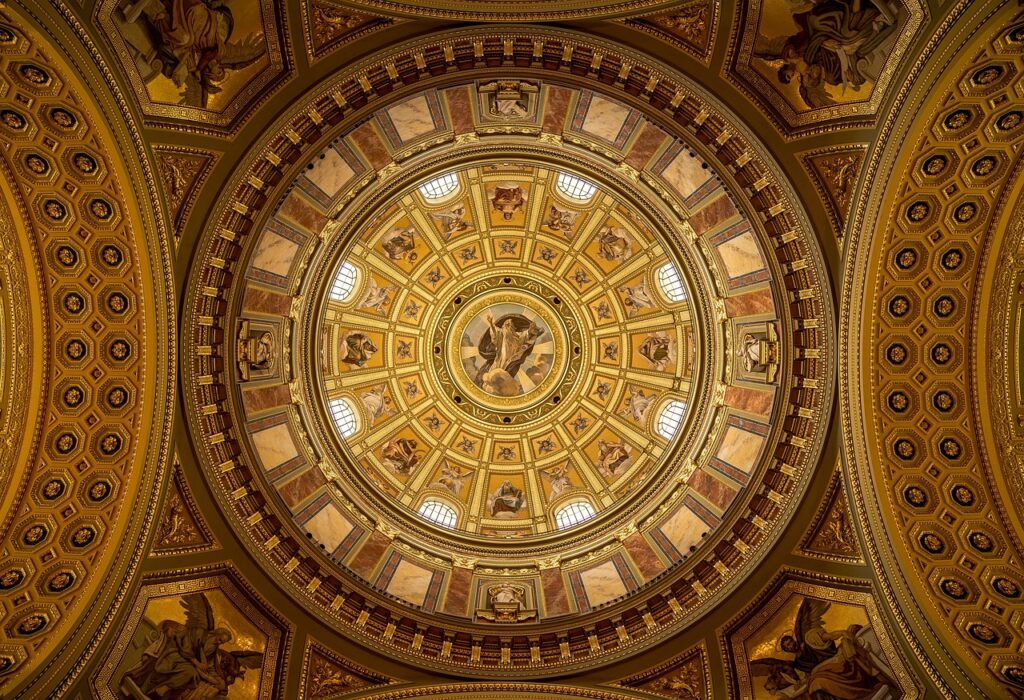
Why include it here? The Cappella degli Scrovegni is world-famous for Giotto’s fresco cycle (early 14th century), a foundational work of Western painting. Although these are not mosaics, the panels share with the Byzantine tradition a taste for sacred storytelling, the use of gold, hierarchical figure placement and frontal poses in some scenes. Visiting the chapel after exploring the city’s mosaics and decorations helps you understand the artistic dialogue between different but complementary traditions.
Immersive description: after the introductory room, stepping into the chapel reveals a cycle of extraordinary intensity: the Annunciation, the Nativity, Christ’s miracles and the Passion unfold in an almost cinematic sequence. The colors — deep blues and golds, even when handled differently than in a mosaic — create the same sense of sacredness. Limited capacity and short visit times ensure a contemplative, almost devotional experience.
Associated museums: the Musei Civici agli Eremitani (Piazza Eremitani, 8) form the museum complex that administers the chapel and houses archaeological and art collections. Combined tickets and temporary exhibitions vary; a Cappella + Musei combo can cost around €18–€22. Musei Civici opening hours: usually 10:00–18:00, closed on Mondays (confirm for current schedules).
Practical tips: book the earliest available time (morning sessions are less crowded). Because visits are timed and strictly managed, avoid bulky bags; a cloakroom is sometimes available. Photography inside is strictly forbidden to protect the works. After the chapel, stroll through the adjoining Eremitani cloister and look for museum rooms where decorative fragments and tesserae link to the region’s medieval mosaic culture.
Duomo di Padova and the Baptistery (Cattedrale di Santa Maria Assunta & Battistero) — liturgical spaces and decorative cycles
The Duomo complex (Duomo di Padova — Cattedrale di Santa Maria Assunta) and its Baptistery form a historic ensemble on the Piazza del Duomo. Address: Piazza del Duomo, 12, 35122 Padova PD. Opening hours: the cathedral generally follows service times (daily mass); typical public hours are 8:30–12:00 and 15:00–18:30, but these vary with seasons and celebrations. The Baptistery, accessible from the piazza, may be open during certain visiting slots and is often part of a combined circuit with the Episcopal Palace. Admission: the cathedral is free; guided visits to the Baptistery or temporary exhibitions may carry a small fee (€2–€6).
What to see: the building combines Romanesque architecture with later restorations. The Baptistery is particularly rich in pictorial cycles and decorations that, with their layered compositions and abundance of holy figures, recall the narrative organization of Eastern mosaics. Visitors will notice biblical scenes arranged in registers, stylized halos and sometimes bright or gilded backgrounds serving a symbolic role akin to Byzantine gold.
Key points of interest: the crypt and some side chapels preserve decorative fragments, ex-votos and stuccoes drawing from Eastern repertoires. The episcopal cloister and the Palazzo Vescovile — frequently opened for exhibitions — display marble floors and decorative rooms dating from the Middle Ages to the Baroque, helpful for understanding the site’s historical layering.
Practical tips: combine the Duomo visit with the Baptistery and the Museo del Duomo (if open) for a fuller picture. Quiet times are mid-afternoon on weekdays; avoid major Sunday services if you’re purely a tourist. Photographers should look for late-afternoon light in the choir, which brings out warm, golden tones reminiscent of mosaic shimmer.
Routes, local tips and best practices for a Byzantine-themed walk in Padua
Putting together a coherent route helps reveal the continuity between mosaic and fresco, between Eastern influence and local development. Here are two route suggestions and a set of practical tips to get the most from your stay.
Short itinerary (half-day): start at the Basilica di Sant’Antonio di Padova (Piazza del Santo, 11) early for the quiet, then head to Piazza del Duomo (Duomo di Padova, Piazza del Duomo, 12) to see the cathedral complex and the Baptistery. Finish with a stop at the Museo Civico agli Eremitani (Piazza Eremitani, 8) and the Cappella degli Scrovegni (booking required) — schedule the chapel visit for late morning or afternoon depending on available time slots.
In-depth itinerary (full day): morning at the Santo, then explore the local market or have brunch in the university quarter. Afternoon at the Cappella degli Scrovegni and Musei Civici, followed by wandering the medieval lanes around Prato della Valle. If time allows, end at the Basilica di Santa Giustina (Piazza Santa Giustina, 1 — check opening hours) to visit another major Padua church.
Local tips and best practices:
– Reservations: for the Cappella degli Scrovegni, book online at least 48–72 hours in advance in high season. Tickets are time-stamped.
– Dress and respect: observe rules in places of worship — modest clothing, quiet demeanor and limited photography. Some chapels prohibit photos or the use of flash.
– Combo tickets: look for combined tickets (Cappella + Musei) to save money and time.
– Getting around: Padua is best explored on foot; most sites mentioned are in the historic center. From the station (Padova Stazione), buses or a 20–30 minute walk will get you to the heart of town.
– Photography: bring a fast lens for dim basilicas; obey « no-flash » signs. Shrines sometimes allow photos only without tripods.
– Eating: for a quick bite after visiting, look for bacari and small osterie around Prato della Valle — Venetian and Paduan specialties; carry some cash for smaller spots.
Conclusion — Between East and West: reading surfaces and symbols
Padua demonstrates that Byzantine presence in northern Italy isn’t limited to huge wall mosaics: it can be read in motifs, color palettes, iconographic choices and the way churches and chapels organize sacred space. The Basilica di Sant’Antonio di Padova, the Duomo and its Baptistery, the Cappella degli Scrovegni and the civic museums together offer a rich, nuanced reading of this cultural dialogue.
On your visit, focus less on labeling something strictly « Byzantine » — a term reserved for clearly defined works — and more on the enduring aesthetic sensibility: the importance of the sacred face, gold and light as mediators of the divine, and the narrative arrangement of holy scenes. Whether mosaics, frescoes or marble decorations, these elements compose a coherent sensory experience. The practical details (addresses, hours, prices) in this guide will help you plan, but remember to adapt visits to liturgical schedules and required reservations, especially for the Cappella degli Scrovegni.
Finally, the best way to appreciate these splendors is to take your time: sit in a chapel, let your eyes travel up through the iconographic registers, compare the frontal authority of an icon with the gentle storytelling of a fresco and pay attention to small details — tesserae, marquetry, marble inlays — that tell tales of centuries of trade and cultural exchange. Padua, a city of students and pilgrims, lends itself wonderfully to this slow, observant approach that turns a visit into an intellectual and spiritual discovery. Safe travels and enjoy your discoveries in Padua.